2025 Construction Wrap Up Driving Next Generation Winter Safety
PennDOT District 9: A Critical Investment in Our Road Infrastructure
The recent accomplishments in Pennsylvania’s District 9 have sparked a lively debate among local business owners, infrastructure experts, and everyday motorists. As we take a closer look at the progress made in road improvements, bridge replacements, and winter maintenance preparations, it becomes clear that these changes are not only essential for safer travel but also play a key role in boosting economic growth across the Laurel Highlands region.
Despite facing some tricky parts, tangled issues, and confusing bits in planning, the recent announcement of nearly $118 million in infrastructure projects deserves recognition. In an era when government investments and funding allocations are often loaded with problems, District 9 stands out by actively bridging the gap between construction hurdles and practical improvements that benefit residents and regional industries alike.
Understanding the Impact on Local Business and Economic Growth
The infusion of over $150 million from federal and state funds into District 9 projects has set off a chain reaction of benefits for local entrepreneurs and businesses. Whether you operate in small business retail, industrial manufacturing, or even the automotive and emerging electric vehicle sectors, solid road infrastructure equates to fewer delays in transportation, better reliability for supply chains, and overall improvement in local commerce.
For small businesses, with every mile of newly paved roadway and every replaced bridge, there is an opportunity to reduce lost revenue associated with traffic delays and unsafe passages. This aids in reducing the nerve-racking challenges of transporting goods through areas that were once off-putting due to deteriorating infrastructure.
Moreover, better road conditions translate into improved access to markets, reduced vehicle maintenance expenses, and ultimately, a boost in economic performance for both regional industries and individual business owners. When we put these infrastructure investments under the microscope, the benefits begin with simple, everyday pieces of improvement and extend to the broad economic canvas of our communities.
Enhancing Safety: The Backbone of Transportation Improvements
One of the key discussions revolves around making roads safer for the everyday commuter. PennDOT’s strategy for District 9 has been to tackle the hidden complexities of aging bridges and roads that have long posed intimidating risks. The recent efforts include resurfacing work, seal coating, and targeted replacements of over 90 bridges. This proactive approach has reduced the chances of accidents during harsh weather conditions, particularly when the winter months set in.
Safety isn’t just about the physical condition of the roadway. It also involves ensuring that drivers feel secure by having clear instructions and updated travel advisories. PennDOT’s 511PA service, along with smartphone applications and dedicated traffic cameras, offers detailed insights on road conditions. This means that, even on gloomy winter mornings, drivers can check the latest updates, plan safer routes, and be better prepared for tricky parts of the commute.
How Improved Roads Benefit Motorists and Everyday Drivers
For the everyday driver, improved road conditions mean:
- A decrease in vehicle wear and tear
- Reduced fuel consumption due to smoother traffic flow
- Lower risk of accidents during wintry conditions
- Enhanced commuter confidence and reduced travel stress
When motorists know that the roads are well maintained, it not only helps with daily commutes but also fosters trust in state-run transportation projects. It is a clear example of how each new investment in public infrastructure translates directly into a safer driving experience.
A Closer Look at Notable District 9 Projects
Peeking into the details of District 9’s achievements reveals some noteworthy projects. Many of these projects have a dual benefit: immediate safety and long-term economic efficiency. Let’s dig into some of the major undertakings:
Major Completed Projects and Their Broader Implications
Among the projects recently completed, several stand out. These projects not only illustrate tangible improvements in infrastructure but also set the stage for further advancements in the future. By replacing old bridges, resurfacing critical highways, and seal coating extensive road networks, PennDOT is laying the groundwork for smoother commerce and safer travel.
| Project | Location | Investment | Key Improvement |
|---|---|---|---|
| U.S. 220 Resurfacing | Cumberland Valley Township (Bedford County) | $4.9 Million | Highway paving improvement |
| U.S. 30 Bridge Rehabilitation | Everett Borough (Blair County) | $2.9 Million | Bridge structure enhancement |
| Route 56 Resurfacing | West & East St. Clair townships | $7.4 Million | Overall roadway safety and integrity |
| Interstate 99 Improvements | Allegheny, Blair, and Logan Townships | $26 Million | Enhanced interchange and road quality |
| U.S. 22 and Frankstown Road Improvements | Altoona and surrounding areas | Up to $7.9 Million each | Resurfacing and bridge replacement |
This table represents only a snapshot of the many projects that have been awarded in District 9, which include meticulous planning, timely execution, and coordinated funding. Each project, from bridge replacements to resurfacing efforts, represents a concrete effort to streamline travel routes, reduce bottlenecks, and support local business networks across multiple counties.
Ongoing Investments Pushing into 2026
While recent improvements are impressive, the work does not stop here. District 9 projects continuing into 2026 underscore the long-term commitment to repair and revitalize vital links that support regional connectivity. These projects involve extensive interventions along critical routes such as Interstate 70 and U.S. 219. For industry stakeholders, this signals an ongoing effort to make the road network more reliable and cost-efficient—a necessity in today’s fast-paced market environment.
The forthcoming investments are expected to further smooth over the nerve-racking twists and turns that have challenged drivers and freight operators alike. With anticipated bid awards for new contracts, the region is poised to see an additional $25 million worth of projects that will create jobs and stimulate local economies.
From Construction Projects to Winter Maintenance: The Full Picture
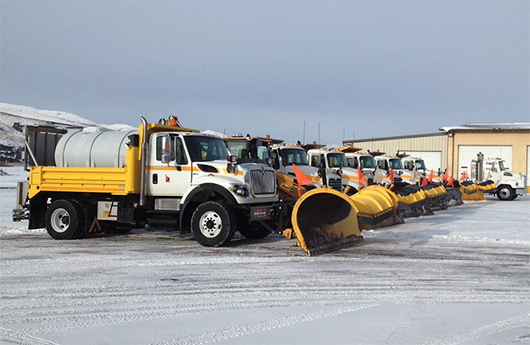
One of the factors that makes the recent developments so encouraging is the shift in focus as construction season comes to a close. With winter fast approaching, the emphasis on maintenance moves up a notch. Unlocking the full potential of these infrastructure improvements requires not only building new roads and bridges but also managing your way through seasonal challenges.
This transition from construction to meticulous winter maintenance has been marked by proactive measures. PennDOT has already begun outlining the winter safety protocols that will ensure motorists remain safe despite the inevitable icy roads and snow-covered paths. By emphasizing the need for emergency kits, proper tire tread, and regular vehicle maintenance, the agency is taking a holistic view of transportation safety that extends well beyond the construction site.
Guidelines for Safe Winter Driving
To make your yearly commutes less overwhelming during harsh weather conditions, here are some super important tips:
- Keep an emergency kit in your vehicle complete with blankets, first aid supplies, and food items.
- Always ensure that your windshield wipers are in working order and your fluids are topped off.
- Check tire tread regularly so that you have sufficient grip on wet or icy roads.
- Clear ice and snow off your vehicle before setting off and ensure that your headlights are on.
- Respect the travel advisories available via 511PA, whether by phone, the app, or online.
By following these guidelines, drivers can effectively steer through the daunting challenges brought on by winter weather, thereby reducing accident risks that are often riddled with tension during icy conditions.
The Broader Impact on Regional Development and Future Prospects
Looking past the immediate improvements, the robust efforts in District 9 over the past year demonstrate a clear strategy for regional enhancement. Beyond the practical improvements, these efforts are a boost for local pride and for economic initiatives designed to support both rural and urban corridors.
The projects fuel positive sentiment among community stakeholders. Local governments, business owners, and industrial manufacturers benefit from smoother transit systems that help in reducing transportation delays, cutting operational costs, and underlining the importance of state-backed infrastructure funding. This commitment to maintaining and modernizing our transportation network underlines how critical these projects are to a thriving regional economy.
Key Benefits for Local Industries
For those involved in sectors like industrial manufacturing, automotive, and even the growing arena of electric vehicles, the revamped roadways offer a strategic advantage:
- Reliable Freight Movement: Better road conditions ensure timely deliveries and less wear on transport vehicles.
- Smoother Supply Chain: Reducing delays means businesses can operate more efficiently and meet market demands without setbacks.
- Enhanced Safety Standards: Improved safety reduces accident-related downtime and costs, which is essential for companies and independent drivers alike.
- Economic Confidence: Investments in infrastructure generate optimism among local businesses and signal future growth opportunities.
These benefits spill over to various segments of the local economy, ensuring that investments in infrastructure yield dividends that extend well into the future, creating a more robust and resilient economic landscape.
Bridging the Gap Between Planning and Execution
One of the striking features of the District 9 projects is the clarity with which the planning and execution stages have been managed. PennDOT’s methodical approach demonstrates that even when faced with complicated pieces and intimidating challenges, it is possible to get around obstacles by carefully coordinating federal and state funding, local planning organizations, and technical expertise.
This systematic approach is especially important in a climate where many government processes are burdened by red tape and convoluted procedures. The success in District 9 shows that by tackling the little details and subtle parts with precision, public agencies can deliver on their promises—even when the environment is full of problems and tense uncertainties.
Lessons from a Successful Infrastructure Strategy
Some of the key takeaways from District 9’s execution include:
- Collaboration is Key: Partnering with local MPO/RPO organizations ensures that projects are aligned with regional needs.
- Focused Funding: Targeted investments make a big difference by addressing the most pressing safety concerns and economic opportunities.
- Transparent Communication: Open lines of communication through travel advisories and publicly available project information help build trust among motorists and local businesses.
- Adaptability: Shifting priorities from construction to winter maintenance shows an ability to quickly pivot strategies based on seasonal demands.
These lessons offer valuable insights for other regions looking to replicate District 9’s successes while accounting for the inevitable twists and turns that come with large-scale infrastructure projects.
Staying Ahead: The Role of Innovation and Technology
Another super important aspect of these projects is the role that innovation and technology have played in enhancing roadway management. Modern techniques, including 24-hour traffic cameras, real-time data analytics, and smart traffic management systems, have not only made travel safer but have also allowed PennDOT to better respond to emergencies and unexpected weather changes.
For business owners, the ability to monitor road conditions in real time is more than a convenience—it is a necessity. When fleets can dig into the nitty-gritty details provided by these advanced systems, they can figure a path that minimizes delays and avoids congested routes. These technological advancements ensure that the infrastructure investments are both sustainable and dynamically responsive to user needs.
Technology-Driven Solutions for Infrastructure Challenges
Some of the technology-driven initiatives that have made a meaningful difference include:
- Real-Time Road Monitoring: Using 511PA and traffic cameras to report on conditions.
- Smart Traffic Management: Advanced algorithms help in predicting traffic flows and guiding motorists safely around problematic areas.
- Data-Driven Decision Making: Using crisp, up-to-date information to allocate resources where they are needed most.
- Mobile Alerts: Smartphone notifications keep drivers in the loop about sudden changes in weather or road conditions.
These innovations stand as a testament to how public agencies can leverage technology to overcome the intimidating challenges of maintaining vast networks of roadways. In an age where data is king, such investments not only improve safety but also enhance operational efficiency across every facet of transportation management.
Community Engagement and Future Outlook
Behind every major infrastructure improvement is a story of community involvement and shared vision. District 9’s projects have brought together state officials, local governments, and everyday citizens with a common goal of building a more secure and efficient transportation network. The proactive measures taken to communicate upcoming changes and safety guidelines are just as crucial as the physical upgrades themselves.
Community engagement plays a super important role. When residents feel involved and informed, they are much more likely to support public projects—even when the planning includes a few tricky parts or off-putting bureaucratic hurdles. This public participation builds a spirit of shared responsibility, ensuring that everyone benefits from the collective efforts to improve the region’s infrastructure.
How Local Communities Benefit from Transparent Infrastructure Projects
Clear communication and community involvement lead to several positive outcomes:
- Increased Trust: When local residents are kept in the loop, trust in government projects increases.
- Better Preparedness: Advanced notice of weather-related changes helps communities stay safe during winter months.
- Economic Boost: Regular updates encourage local businesses to plan accordingly, avoiding delays or disruptions.
- Civic Pride: Improved infrastructure fosters a sense of pride and confidence in regional progress.
This community-focused approach not only addresses some of the head-scratching issues facing modern transportation projects but also fosters long-term collaboration between the public and those responsible for its implementation.
Looking Ahead: Challenges and Opportunities in the Road Ahead
As we look to the future, it is clear that District 9’s efforts set a promising precedent. However, every success is tempered by the reality that some challenges remain. Whether it’s coping with the periodic nerve-racking weather changes or sorting out the fine points of funding and oversight, the journey towards a perfected road infrastructure is ongoing.
From balancing urban priorities with rural necessities to ensuring that safety guidelines keep pace with modern challenges, the work of PennDOT is never done. Future projects will need to continue to address both the immediate needs and the subtle details that make a roadway safe, efficient, and economically beneficial for all stakeholders.
Anticipated Challenges and Strategic Responses
Some of the ongoing challenges include:
- Weather-Related Risks: As winter approaches each year, maintaining a network of roadways in pristine condition requires flexible and adaptive maintenance plans.
- Funding Fluctuations: Securing steady financing for both planned projects and emergency repairs is a delicate balancing act amidst shifting budget priorities.
- Community Pressure: Meeting the growing expectations of an increasingly informed public requires transparent communications and rapid response strategies.
Strategies to overcome these challenges might involve:
- Investing in highly adaptive maintenance systems that can quickly adjust plans based on real-time data.
- Expanding public-private partnerships to broaden funding sources and share execution risks.
- Enhancing community outreach efforts to ensure that every stakeholder has a role in safeguarding and celebrating these infrastructural improvements.
Final Thoughts: An Investment in the Future of Transportation
The developments in District 9 exemplify an impressive melding of modern technology, dedicated funding, and collaborative work among public and private partners. They remind us that even when faced with complex, nerve-racking twists and turns, taking a closer look at our nation’s critical transportation investments reveals a system that is continuously evolving to meet our needs.
For business owners, commuters, and local officials, every mile paved and every bridge repaired in District 9 represents a step forward toward a safer, more efficient, and economically robust future. While the path may be loaded with issues and staggering details requiring careful navigation, the combined efforts of PennDOT and its partners prove that these challenges can be met head on.
In the grand scheme of things, the recent accomplishments in road resurfacing, bridge rehabilitation, and the proactive winter preparation initiatives are not just isolated projects—they are a comprehensive campaign to modernize a transportation network that underpins the economic and social well-being of entire communities. The progress so far should be celebrated, while future projects inspire continued innovation in infrastructure policy, project management, and community engagement.
Ultimately, the story of District 9 is a story of resilience, thoughtful planning, and a shared commitment to making Pennsylvania’s roads and bridges as reliable as possible. In a world where every business and household relies on dependable transportation to thrive, these investments are more than just construction projects—they are an investment in our collective future.
As we steer through the coming months, with winter maintenance on the horizon and further road improvements in the pipeline, it is clear that the work being done today is paving the way for a safer and more prosperous tomorrow. With innovative strategies helping us work through the confusing bits and navigate the subtle details, Pennsylvania’s District 9 sets a strong example of how to balance immediate needs with long-term objectives.
For those wondering about the impact on local communities and industries—from small business operations to large-scale automotive and electric vehicle projects—these projects underscore the necessity of a robust transportation framework that supports the economy, ensures driver safety, and fosters a sense of pride in public infrastructure.
In conclusion, District 9’s achievements are a testament to the power of coordinated action and smart investments. As we watch these developments unfold, it becomes apparent that continuing to invest in our roads and bridges is not only a key strategy for economic development but also a path toward a more connected, safer, and thriving future for all Pennsylvanians.
Originally Post From https://www.pa.gov/agencies/penndot/news-and-media/newsroom/district-9/2025/2025-construction-wrap-up-and-winter-maintenance-report
Read more about this topic at
Infrastructure | Commonwealth of Pennsylvania
Building Pennsylvania’s Future: Inside the $90 Billion …