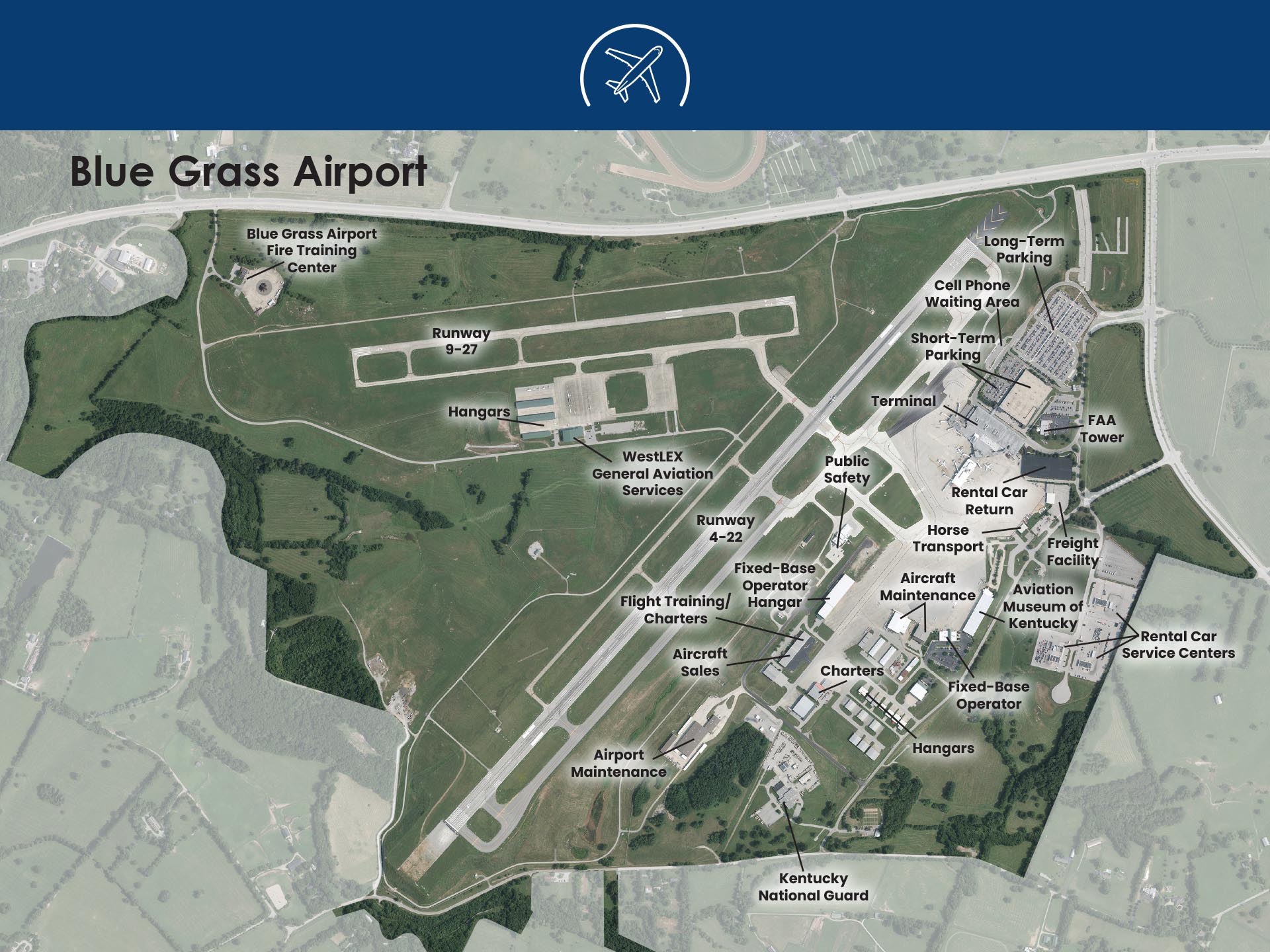
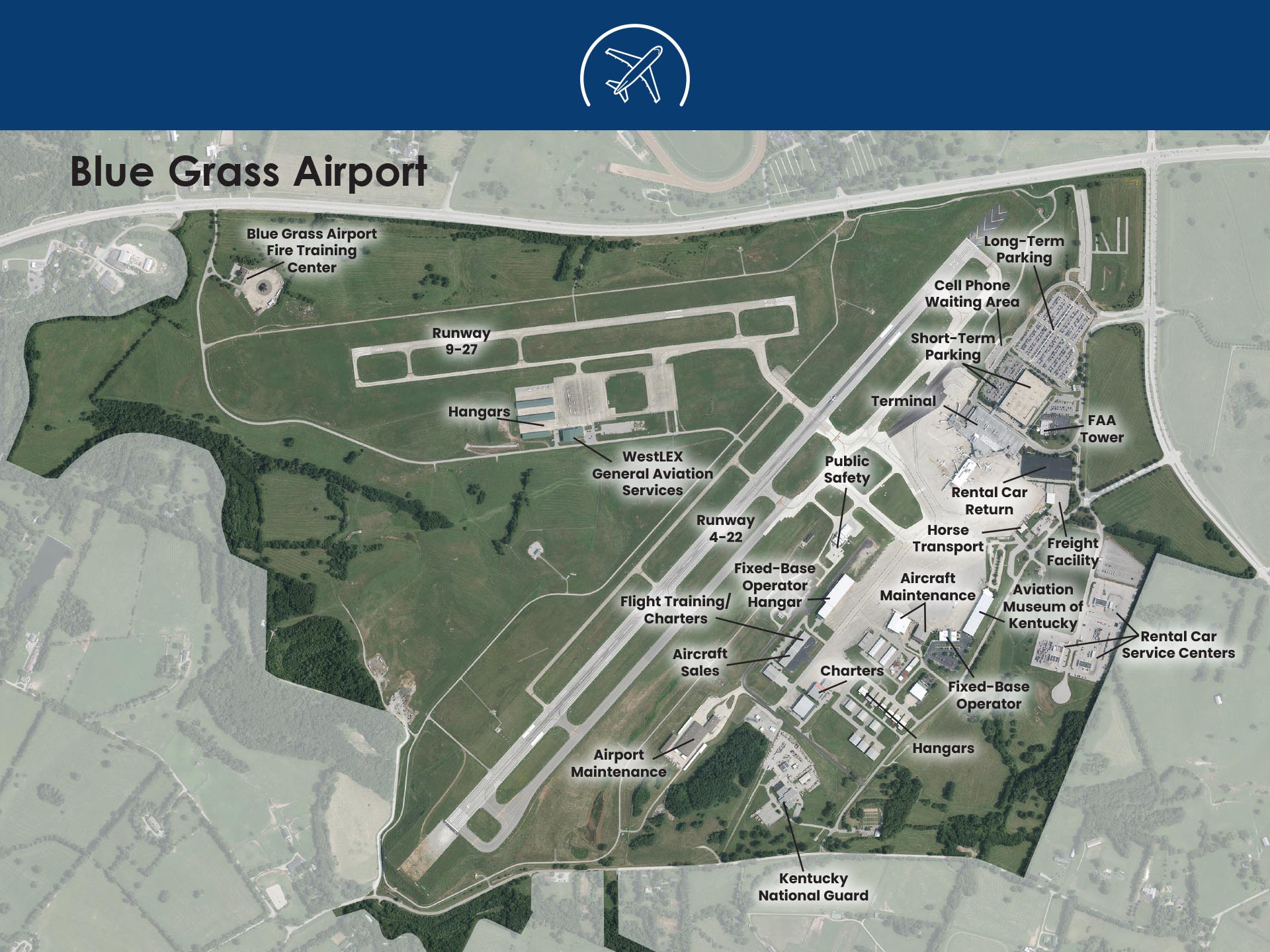
Blue Grass Airport Expands With New Construction Projects And Forward Looking Plans
Local News in a Digital Age: Evolving Storytelling and Community Impact
The modern news landscape has dramatically shifted from traditional reporting to a digital-first approach, where local updates, community-driven stories, and a heavy reliance on technology coexist under the same roof. As we take a closer look at today’s evolving media environment, we see a blend of hard-hitting crime stories, community updates, and detailed coverage of local government concerns, all interwoven with modern digital strategies that emphasize tracking, privacy, and data consent. In this editorial, we explore how news institutions are handling the twists and turns of modern reporting while also juggling trends that matter for small businesses, industrial manufacturing, automotive sectors, electric vehicles, business tax laws, economic news, and marketing trends.
Local news outlets are finding that communicating these stories involves a number of tricky parts – from breaking crime updates to extensive policy explanations about data usage – along with a tangled mix of public safety updates and digital consent notices. One can easily see that each element has its own set of confusing bits and complicated pieces that need careful attention. While technology offers new ways to present information, it also introduces a host of nerve-racking challenges and overwhelming responsibilities for journalists and reporters alike.
Modern Crime Reporting and Community Accountability
In our current media climate, crime reporting is more than just recounting events; it is about building community trust and ensuring accountability. Recent incidents, such as multiple shootings at local apartment complexes and dangerous assaults in office settings, have been thrust into the public eye. These stories are reported with all the factual precision that the audience expects while also addressing the fine points and hidden complexities of local law enforcement. Journalists are tasked with presenting the nitty-gritty details of an event – such as what exactly happened before a courthouse shooting or the moments leading to a fatal confrontation – in a way that is both clear and respectful of the victim’s privacy.
Many community members have noted that the process of reporting is loaded with issues: one side of the story is often filled with community vigil and the other, with public policy and law enforcement protocols. The narrative is full of problems when it comes to balancing the public’s right to know with the need for careful, respectful journalism. As readers, our expectation is to see a neutral tone that focuses on accountability while ensuring that local authorities have the space they need to investigate the matter thoroughly. Community leaders and local police departments, therefore, remain super important in steering through the complicated pieces of news.
Key Challenges in Crime Reporting
- Presenting accurate details without exaggeration
- Balancing public interest with individual privacy
- Navigating the tricky parts of legal implications in reporting
- Maintaining accountability while promoting safety
This list represents the core areas where modern crime reporting requires not only attention to detail but also a commitment to community engagement. The process is often intimidating and off-putting due to the nerve-racking responsibility of conveying life-altering events in our neighborhoods.
Data Privacy, Cookie Policies, and Transparency in Digital News
Another area that is rich with twists and turns involves the digital frameworks that underpin today’s news platforms. Readers are increasingly aware of how personal information and data are managed, particularly during interactions with online news sites. The content we recently saw, with elaborate disclaimers and a detailed breakdown of cookie policies and advertising partners, stands as a testament to the complex world in which modern news organizations operate.
Breaking down these confusing bits, it becomes evident that the world of data privacy is full of hidden details and little twists that can be hard to account for without proper context. The list of advertising vendors and tracking identifiers is a reminder that every click and each piece of content viewed is part of a bigger picture – one that involves compromise between user privacy and the ability to generate revenue through targeted advertisements.
Understanding the Fine Points of Data Consent
For many users, the cookie consent boxes and pixel trackers might seem overwhelming and even a bit off-putting. However, managing your way through this digital transparency is essential for both publishers and readers. The approach taken by reputable news outlets emphasizes the need to get into the details, ensuring that every viewer has a clear lineup of what data is being processed and how it is stored. By providing tables and detailed lists, reputable sources are making an effort to make these complicated pieces more digestible.
| Aspect | Description | Reader Impact |
|---|---|---|
| Cookie Duration | Specifies how long your data may be stored, ensuring updates in privacy. | Offers transparency about session length and policy changes. |
| Data Collected | Covers IP addresses, device characteristics, and usage patterns. | Informs users about the extent of data sharing and its purpose. |
| Storage Mechanism | Describes whether data is stored in local memory, cookies, or device storage. | Helps users decide on their privacy settings and consent preferences. |
By taking a closer look at these elements, consumers can figure a path forward in evaluating whether the trade-offs associated with personalized advertising are acceptable versus a more anonymous browsing experience. It also raises the question: in a world where every data point is tracked, how can the average person feel that their privacy is intact?
Impact on Local Small Businesses and Economic Reporting
Local news is not only about reporting crime or governance issues. It also plays a significant role in highlighting the trends and challenges faced by small businesses and industrial manufacturing sectors in our communities. The nature of economic reporting has seen a transition from well-edited press releases to more dynamic digital storytelling, where topics from business tax laws to automotive industry trends are explored with depth and clarity.
From the perspective of small business owners, local news outlets have become a catalyst for stimulating awareness and discussion about how economic policies affect day-to-day operations. For instance, when local regulations change or new industrial opportunities arise, the reporting not only provides a status update but also digs into the subtle parts of these shifts. This allows an informed dialogue where differences are teased out in the fine shades between fiscal control measures and business growth strategies.
The Role of Business News in Community Prosperity
Financial news and economic reports come with their own set of intimidating challenges. For business owners and local industry leaders, understanding the small distinctions between a temporary policy change and a long-term tax reform is nerve-racking. However, the value of having clear information cannot be overstated. Key points include:
- Explaining the nitty-gritty of new business tax laws without legal jargon.
- Reporting on regional economic trends with a focus on practical effects on everyday operations.
- Detailing the challenges and opportunities facing local small business communities.
- Discussing the fine points of emerging industries like electric vehicles and their impact on the economy.
When economic reporting is done correctly, it serves as a finely tuned compass that small business owners and industrial manufacturers can use to find their way in a competitive market. The articles not only report on numbers but also provide actionable insight that is super important for decision-making.
Electric Vehicles, Automotive Trends, and the Manufacturing Sector
As technology innovates increasingly fast, the transport sector has been riding a wave of transformation. The surge of interest in electric vehicles (EVs) and their role in reshaping not only transportation but also industrial manufacturing is a testament to how integrated different sectors have become. This trend is well framed by local news coverage that not only reports on new projects and technological advances but also sheds light on the more complicated pieces of transforming an entire industry.
Local automotive stories are more than just updates on gas prices or new car models; they are explorations into how sustainable practices and technological innovations are altering the landscape for manufacturers. This coverage includes everything from the introduction of new EV models into the market to discussions on the challenges manufacturers face when adopting more eco-friendly production methods. By taking a closer look at this transition, reporters are making it easier for stakeholders to steer through the layered twists and turns of a market that is both dynamic and sometimes off-putting in its rapid pace of change.
Electric Vehicles and Local Industrial Manufacturing
The story of electric vehicles in local communities isn’t solely about technology – it’s also about opportunity and adaptation. In many regions, local manufacturing supports the production of essential components for EVs, from battery systems to electrical parts. A few key observations include:
- Supply Chain Adjustments: Local manufacturers are required to manage a series of challenging parts in their supply chains, ensuring that raw materials are sourced sustainably while remaining cost-effective.
- Workforce Training: As companies shift to production processes that are loaded with issues related to technology, there is a pressing need to provide workforce training and skill development programs.
- Policy Impact: Changes in business tax laws that favor sustainable practices are seen by small businesses as key enablers to support innovation and growth within the automotive sector.
- Market Adaptation: As consumer preferences shift towards greener solutions, local dealerships and service centers must adapt accordingly, balancing tradition with innovation.
The convergence of these factors illustrates how complex and interwoven modern manufacturing and automotive trends have become. The local news narrative here is about more than just vehicles—it’s about how our communities are adapting to a future that promises sustainability but demands that we figure a path through new, sometimes intimidating challenges.
Marketing in a Changing Digital Ecosystem
Marketing strategies in today’s digital ecosystem are facing their own set of tangled issues, where modern advertisers must continually find new ways to engage with audiences in an increasingly competitive space. The massive lists of ad vendors and technology partners that are featured in digital news consent forms further demonstrate the extent to which data is now interwoven with advertising, creating a multifaceted environment for decision-makers on both the supply and demand sides.
For brands and local businesses, this presents a dual-edged sword. On one hand, there is ample opportunity to harness digital marketing tools to reach ideal customers. On the other, there remains the challenge of navigating overwhelming rules and regulations tied to user privacy and data consent. By sorting out these fine shades between effective advertising and protecting user data, companies are not only promoting their products and services but also contributing to a healthier marketplace that benefits consumers and marketers alike.
Best Practices for Digital Marketing Success
Successful marketing in this digital era involves a number of key strategic steps. Here is a clear outline of best practices to help local businesses manage their marketing campaigns:
- Transparency in Data Collection: Clearly communicate how customer data is used to build trust and provide a sense of security.
- Utilizing Multiple Data Points: Combine different sources of information—from browsing behavior to transaction history—to create a comprehensive picture of customer interests.
- Balancing Personalization with Privacy: While tailoring marketing messages is essential, always ensure that privacy preferences are respected and adhered to.
- Adapting Strategies to Regulatory Changes: Be ready to adjust methods in response to evolving business tax laws and privacy regulations that could affect advertising practices.
By integrating these steps, marketing professionals can better adapt to the nerve-racking landscape of the modern digital environment. Even though there are plenty of intimidating challenges, the combination of transparency, adaptability, and respect for user data forms a core part of every successful strategy.
Editorial Reflections: The Role of Digital Evolution in Comprehensive Reporting
As we take a closer look at the way local news sites present a vast landscape of content—from crime reports to detailed digital privacy policies—it becomes increasingly clear that each segment plays a critical role in shaping public understanding. The evolution of journalism from print to digital has not been without its fair share of challenges. The long-held tradition of storytelling must now coexist with an advanced appreciation for technology’s role in data collection and dissemination.
By diving in to evaluate these changes, one realizes that modern news is more than just conveying events; it is also about managing your way through sensitive details, interpreting complicated facts, and presenting the content in a format that is accessible to a diverse readership. The integration of detailed online consent mechanisms with compelling, factual reporting is an ongoing balancing act that every network must manage. As media continues to transform, stakeholders across all fields—be it local business owners, law enforcement officials, or marketing experts—are collectively figuring out a way to make informed decisions in a digital age.
Key Takeaways from Modern Journalism
- Complex Storylines: Modern journalism requires balancing public safety with privacy while addressing both fine points and subtle differences in each story.
- Data-Driven Transparency: With increasing concerns over data privacy, news outlets must fully explain their tracking practices and cookie policies in order to build trust with readers.
- Community Engagement: Detailed coverage of local issues—from crime events to business regulations—ensures that communities remain informed and are able to contribute meaningfully to public discourse.
- Innovation and Adaptation: Technology is reshaping how news is reported and consumed, forcing all parties to adapt and innovate, despite the intimidating and sometimes nerve-racking pace of change.
These takeaways highlight that local news is not static; rather, it is continuously evolving to meet the needs of an informed public while dealing with the confusing bits of modern digital environments. Every twist and turn calls on both journalists and readers to make sense of a world that is at once highly interconnected and loaded with challenges.
Conclusion: Building a Resilient Future for Local Reporting
As we work through the challenges of modern reporting, it becomes super important to appreciate the multi-layered nature of today’s digital news ecosystem. Whether it is dissecting the little details of a crime story, expressing the subtle parts of data privacy policies, or clarifying the small distinctions in economic trends and technological innovations, local news outlets continue to play a crucial role in shaping public perception and fostering community connections.
This editorial has taken a closer look at some of the nerve-racking issues facing journalists today. From reporting on local crime and ensuring that every piece of sensitive content is handled with care, to explaining the tangled issues of privacy policies and digital marketing, the modern media landscape is a rich tapestry. It is a space where industrial manufacturing updates and automotive trends share the stage with intimate community stories and the art of digital marketing. As we figure a path through these intertwined areas, it is clear that staying informed requires us all to appreciate both the big picture and the fine points.
In the end, the evolution of local news is an ongoing story of adaptation and resilience. By embracing transparency and equipping audiences to manage their digital footprints, news outlets are not only reporting events—they are also curating a platform that empowers communities to engage meaningfully. Each article, each digital consent form, and every public safety update is a testament to the complex yet essential role that media plays in a vibrant community.
As consumers and active citizens, it is our shared responsibility to support transparent, adaptive, and community-focused journalism. We must appreciate the dedication of those who take on the overwhelming challenge of bringing every fine detail into the light, and we must be prepared to face the intimidating twists and turns of a digital age that is as challenging as it is promising.
In a future where information is abundant yet every data point is a small piece of a larger puzzle, our ability to engage with and understand local news will continue to be not just a luxury, but a must-have asset for sustaining an informed and empowered society. Let us continue to support and scrutinize our media, making sure that each story is told with clarity, precision, and an unwavering commitment to the public good.
Originally Post From https://www.wkyt.com/video/2025/07/08/blue-grass-airport-officials-discuss-ongoing-construction-projects-future-plans/
Read more about this topic at
LEX 18, WLEX, Lexington, Kentucky Breaking News, Weather …
Lexington Herald Leader: Lexington KY Breaking News & Sports