ACC Speaks Out on USTR Investigation of US China Phase One Agreement
Reimagining America as a Manufacturing Superpower
The United States stands today at a crossroads in industrial manufacturing—one where the combined forces of innovation, policy shifts, and global trade dynamics could propel the nation into a new era as a manufacturing powerhouse. In recent times, critical policy debates and trade investigations, notably the Section 301 investigation concerning the “Phase One Agreement” with China, have stirred lively discussions among industry leaders, policymakers, and small business owners alike. With a focus on chemical manufacturing and its far-reaching implications, it is essential to get into the tangled issues of trade fairness and the role of government in uplifting American manufacturing.
This opinion piece aims to provide a balanced view from the front lines of policy and market shifts. In doing so, we will poke around the hidden complexities of trade agreements, dive in to explore the fine details of global economic policies, and figure a path through the network of regulatory challenges. By examining the interplay among small business entrepreneurship, industrial manufacturing, automotive innovation, and business tax laws, we can appreciate how each element contributes to the US becoming a leader in innovation and production.
The Evolving Landscape of U.S. Trade and Policy
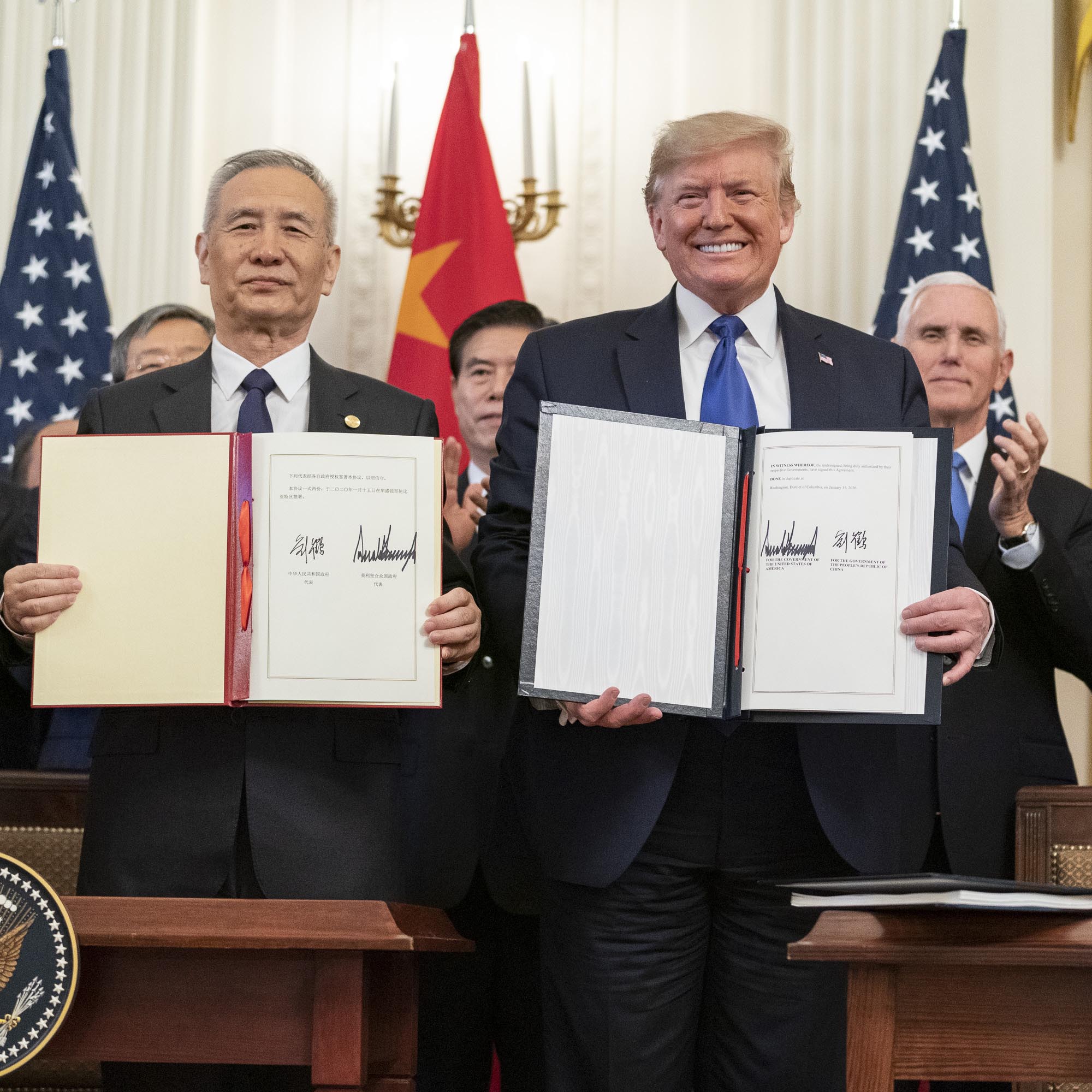
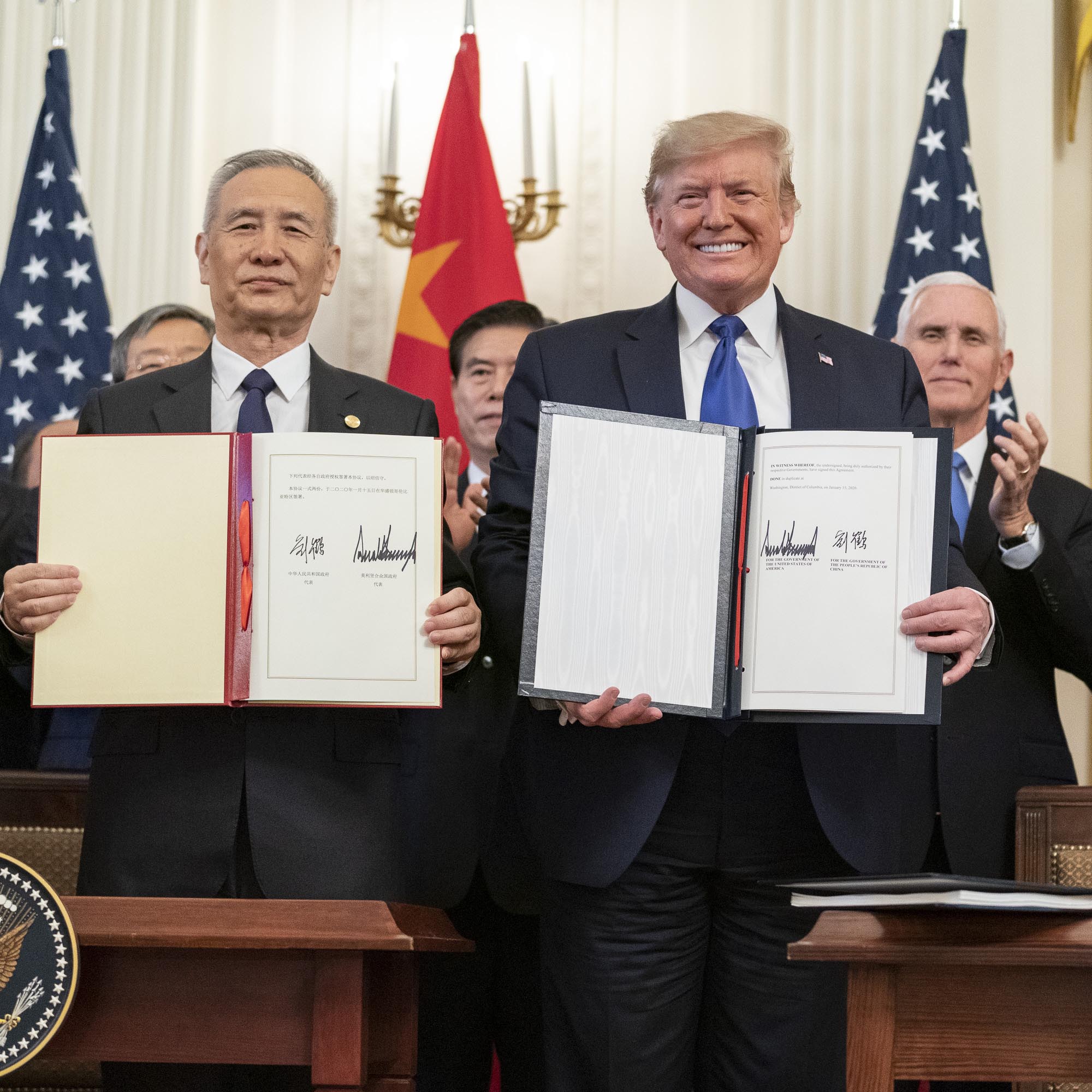
Recent statements by the American Chemistry Council (ACC) have shone a light on the evolving nature of US trade policies—especially in relation to the Section 301 investigation. This investigation, announced by the United States Trade Representative (USTR), is intended to evaluate the implementation of the “Phase One Agreement” with China that was established under the previous Trump Administration. According to the ACC’s President and CEO, there is an opportunity for genuine cooperation between the two countries that could help level the economic playing field.
However, the situation is full of problems. Many industry watchers feel that while addressing unfair trading practices is a necessary step, the twists and turns of the process may pose nerve-racking challenges for businesses trying to sustain their competitive edge. The issue is not only about trade negotiated on paper but also about how subtle details of policy enforcement can impact businesses both large and small.
Examining the Impact on Small Business and Industrial Manufacturing
For many small business owners within the manufacturing and chemical sectors, the promises of government initiatives have not always matched the realities of the market. The delicate interplay between business tax laws, regulatory requirements, and market innovation creates a landscape where finding your way through bureaucratic twists can feel overwhelming.
Small manufacturers and entrepreneurs are constantly managing their way through a maze of administrative hurdles. To better understand this dynamic, consider the following points:
- The need to constantly update technology and production processes to stay competitive
- The pressure to meet regulatory standards without letting costs spiral out of control
- The struggle to maintain profitability in an environment where foreign trade policies can have sudden and profound impacts
- The importance of sustainable and safe production practices to both employees and surrounding communities
These are all tricky parts of running a business in a sector that is deeply integrated with both domestic innovation and international trade. With every new policy announcement, companies must take a closer look at how to steer through administrative layers to maintain competitiveness.
Unpacking the Section 301 Investigation and Its Implications for the Chemical Sector
The ACC’s statement regarding the Section 301 investigation into China’s implementation of the “Phase One Agreement” is more than just a reaction to trade policy changes—it is a call to action. It invites both domestic and international stakeholders to recognize that the US chemical industry is increasingly interlinked with global supply chains and that fair trade practices are better for everyone.
This investigation represents a deeper look into the fine points of how trade deals are enforced. Several key issues demand attention:
- Ensuring that trade agreements are implemented in a manner that does not bias foreign competitors
- Creating conditions that allow American producers to thrive without the impact of unpredictable policy shifts
- Aligning domestic policy with modern manufacturing challenges, especially in industries that are essential for everyday products
Critically, the ACC sees a silver lining in the investigation. It believes that engaging in constructive dialogue about subtle details of trade enforcement can open pathways to a more level playing field. This is particularly important for the chemical industry, where innovation drives not just economic prosperity but also improvements in public safety and environmental sustainability.
Balancing Global Competition and Domestic Advancement
The current debate around the Section 301 investigation has cast a spotlight on the broader issue of balancing global competition with domestic manufacturing ambitions. For decades, the American manufacturing sector has enjoyed robust growth fueled by innovation and highly skilled labor. However, which specific areas need reinforcement in order for America to reclaim its superpower status?
To address this, consider these essential areas:
| Area | Key Focus | Challenges |
|---|---|---|
| Small Business Growth | Streamlining business tax laws, access to capital, and supportive regulatory frameworks | Nerve-racking bureaucratic processes, uneven policy enforcement |
| Industrial Manufacturing | Technological upgrades, workforce training, and sustainable practices | Keeping pace with global digital advances and environmental demands |
| Automotive and Electric Vehicles | Integration of advanced materials and chemistry in manufacturing EVs | Supply chain vulnerabilities and fluctuating international demand |
| Business Tax Laws | Making tax policies simpler and more effective for innovation | Complex legal requirements and sudden regulatory tweaks |
By tackling these issues head-on, the United States can manage your way through the maze of domestic and international challenges and create a fertile environment for both large-scale manufacturers and the small businesses that often serve as the bedrock of American innovation.
Chemistry: The Cornerstone of Modern Manufacturing
Few industries match the breadth and depth of impact that chemistry has on our daily lives and on the nation’s economic vitality. The ACC’s mission—to advocate for chemical innovation that makes the United States a global leader—reflects the crucial role that chemical manufacturing plays in nearly every other sector.
Many everyday products, from automotive air bags and energy-efficient plastics to medical devices and clean drinking water, owe their existence to chemical advancements. This interconnection reinforces the argument that any discussions of trade and policy must include the chemical industry as a key stakeholder. The interdependency of these industries shows that even subtle differences in trade policy details can have far-reaching and nerve-racking effects on public safety and sustainable development.
Moreover, the chemical industry’s commitment to Responsible Care®—a program dedicated to environmental performance and safety—demonstrates that with the right focus, critical industrial sectors can contribute to a healthier, more sustainable way of life. The initiative is a reminder that while manufacturing processes can be tricky to manage at times, the rewards in terms of quality of life and economic stability are super important.
Enhancing the Resilience of High-Technology Manufacturing
Resilience in manufacturing is not just about maintaining production; it’s about creating a forward-thinking environment that is geared for innovation and sustainability. In the modern economy, industries must be ready to adapt to rapid technological advances as well as shifts in consumer and regulatory expectations. For the chemical sector specifically, adapting means refining production processes while staying attuned to safe practices and environmental stewardship.
In order to sustain competitive advantage, manufacturers need to consider these key steps:
- Investing in research and development to drive super important breakthroughs in material science
- Strengthening local supply chains to reduce dependency on unpredictable international markets
- Implementing rigorous quality assurance processes that both protect communities and foster innovation
- Building stronger partnerships between government, academia, and industry stakeholders
These actions may seem intimidating given the sticky bits of global politics and shifting regulatory sands, but they represent core strategies for ensuring that innovation continues to flourish. With robust leadership and persistent innovation, the United States can build a resilient manufacturing ecosystem that is built to last for generations.
The Role of Policy and Trade in Rebuilding American Manufacturing
Policy decisions play an undeniably critical role when it comes to shaping the direction of American manufacturing. Effective policies, which include updates to business tax laws and trade regulations, can help create an environment where businesses are not constantly burdened by nerve-racking administrative processes. For example, better alignment between trade policy and domestic business needs can alleviate many of the puzzling bits that often slow progress in industrial manufacturing.
Recent moves to address unfair trade practices, such as the ACC’s support for the Section 301 investigation, underscore a desire to sort out the challenges that have long hampered the industry. American manufacturers, particularly those linked to advanced materials and electric vehicles, see these initiatives as key to unlocking a period of expansive growth. The markets for automotive production and electric vehicles, for instance, continue to expand rapidly. In these sectors, the obvious link between policy clarity and production efficiency cannot be ignored.
Yet, policymakers must be cautious. The twists and turns of global trade require that legislation and enforcement are both precise and adaptive. A small change in the way trade policies are implemented may trigger a domino effect on multiple fronts—from small businesses to large-scale industrial giants. Therefore, creating a win-win scenario where both domestic producers and international partners feel the benefits is a subtle balancing act that demands savvy strategies and strong leadership.
Legislative Frameworks That Empower U.S. Businesses
For U.S. manufacturers to truly thrive, legislative reforms that are easy to understand and implement on the ground level are a must-have. The following approaches could serve as a foundation for legislative frameworks that empower businesses across all manufacturing sectors:
- Simplified Tax Structures: Revamping business tax laws in ways that reduce administrative burdens can help companies invest more in innovation and growth.
- Consistent Trade Policies: Ensuring that trade agreements are enforced in a steady and predictable manner will eliminate many of the nerve-racking uncertainties that currently exist.
- Sustainable Manufacturing Incentives: Programs that reward companies for adopting greener, more sustainable practices can drive long-term growth while protecting the environment.
- Increased R&D Funding: Encouraging research and development through targeted funding can power the next wave of breakthroughs in chemical manufacturing and beyond.
Implementing these strategies effectively means that legislators and policymakers must remain in close contact with industry leaders. In doing so, they can ensure that the policies not only sound good on paper but also translate into tangible benefits for workers and communities across the country.
The Intersection of Automotive Innovation and Chemical Manufacturing
When we consider the push towards electric vehicles and next-generation automotive technology, the chemical industry emerges once again as a key player. These vehicles are not merely the culmination of modern engineering; they represent the integration of advanced material science, precise manufacturing, and coordinated policy efforts. Chemicals used in the production of lightweight materials, batteries, and other essential components can determine the success of automotive innovations.
The partnership between the automotive sector and chemical manufacturing is laden with subtle details. For instance, advancements in battery technology and lightweight composites not only reduce the overall weight of vehicles but also improve energy efficiency—making them more competitive on the global stage. What is more, this synergy is essential for meeting the strict safety and environmental standards demanded in today’s market.
Efforts to connect these industries align with broader governmental initiatives aimed at both enhancing domestic energy efficiency and reducing the country’s carbon footprint. Policy shifts related to sustainability, energy consumption, and tax incentives for clean technology are key factors driving this transformation. The chemical industry, in turn, is rising to the challenge by pushing for safer production processes that are designed to protect both workers and the environment.
Innovative Materials Transforming the Future of Electric Vehicles
Innovation in chemical manufacturing translates directly into the development of cutting-edge materials that foster automotive excellence. Let’s take a closer look at how innovative chemical processes are revolutionizing the electric vehicle (EV) market:
- Battery Chemistry Advances: Researchers and manufacturers are continually exploring safer, longer-lasting batteries. New chemical compositions can improve energy density and charging speed, making EVs more appealing to consumers.
- Lightweight Materials: The development of high-strength composites and advanced plastics can reduce vehicle weight and improve fuel efficiency. These materials require a fine balance of durability and environmental performance.
- Sustainable Production Techniques: With growing awareness of environmental issues, the industry is investing in cleaner chemical processes that reduce waste and emissions. This not only makes production safer but also aligns with government demands for reduced environmental impact.
Each of these areas represents a confluence of policy, trade dynamics, and scientific discovery. Car manufacturers must figure a path through these opportunities while staying alert to the nerve-racking bits of regulatory changes. In the end, the investment in innovative materials is not merely a technical improvement; it embodies the forward-thinking spirit that will help drive American competitiveness in global markets.
Environmental Accountability and Responsible Practices
In today’s economic environment, no discussion on manufacturing and trade can ignore the impact on environmental health and community safety. The American chemical industry has long demonstrated its commitment to Responsible Care®, a program that emphasizes safety, environmental performance, and community engagement. Such initiatives show that being an influential industrial leader also means being a responsible steward of the environment.
Implementing sustainable practices is loaded with issues but is equally packed with opportunities. Companies are pushed to review and refine each production process to minimize harmful impacts while maximizing efficiency. The following measures are considered super important for maintaining environmental accountability within the chemical and manufacturing sectors:
- Regular Safety Audits: Carrying out thorough safety checks ensures that both facilities and local communities are protected from potential hazards.
- Investment in Green Technologies: Shifting to energy-efficient production methods can lower emissions and reduce waste.
- Community Engagement Programs: Transparent communication with local communities helps build trust and fosters a shared responsibility for sustainable practices.
- Regulatory Compliance: Working closely with government bodies to meet or exceed industry standards builds confidence among investors and partners alike.
While these measures may appear overwhelming at first glance, they are achievable with the right mix of innovation, clear policy direction, and robust industry collaboration. Moreover, prioritizing environmental accountability has become a key part of maintaining the commercial competitiveness and social license to operate for American businesses.
Strategies for Balancing Economic Growth and Environmental Sustainability
Industrial growth need not come at the expense of the environment. In fact, strategic investments in green innovation can have mutually reinforcing benefits for both the economy and public health. Policy reforms, enhanced regulatory oversight, and dedicated research in renewable resources are helping to create a framework in which sustainable development and economic growth go hand in hand.
Key strategies in this context include:
- Adopting cleaner production methodologies that minimize toxic waste.
- Supporting public-private partnerships to finance large-scale environmental projects.
- Implementing energy conservation measures across high-consumption industries.
- Incentivizing companies to adopt eco-friendly materials and production techniques.
These strategies represent the super important steps that can create a win-win scenario for businesses and the environment. By addressing the nerve-racking issues of environmental degradation head-on, American manufacturing stands to benefit from increased consumer confidence and a healthier workforce—factors that are essential for long-term success.
Integrating Market Dynamics with Policy for a Prosperous Future
The conversation about American manufacturing is as much about balanced policy as it is about market realities. In sectors such as automotive, industrial manufacturing, and electric vehicles, success hinges on the ability to ease the confusing bits of regulatory environments while promoting innovation. Bridging the gap between policy directives and practical market applications requires active engagement from multiple stakeholders—including federal and state governments, industry associations like the ACC, and individual small businesses.
This integration of market dynamics with informed policy is evident in several ways:
- Alignment of Government Incentives with Industry Needs: When tax laws and trade policies are designed with the input of manufacturing leaders, businesses are better equipped to invest in research and development.
- Collaboration for Workforce Development: Training programs and educational initiatives ensure that the workforce can meet the demands of advanced manufacturing techniques.
- Cross-Sector Partnerships: The intersection between chemical manufacturing and automotive innovation illustrates the powerful results that arise when distinct industry sectors collaborate on common challenges.
Indeed, the fine shades of economic policy require constant attention. As decision-makers continue to sort out the responsibilities and risks associated with global trade, the need for clear, consistent policy implementation has never been more critical. American manufacturers and policy experts alike echo the sentiment that a robust, forward-thinking system is not only achievable—it is right around the corner, provided that all players work together seamlessly.
Building a Collaborative Future Through Stakeholder Engagement
The future of American manufacturing and innovation depends on a spirit of collaboration. By engaging small business owners, trade associations, and government leaders, the nation can foster an environment where ideas flow freely and challenges are collectively addressed. This collaborative approach is key to unraveling the hidden complexities that have often hindered growth.
Concrete ways to foster this engagement include:
- Regular forums and summits that bring together industry leaders and policymakers.
- Creating advisory committees that represent the interests of small businesses in specific regional markets.
- Facilitating open-wing dialogue to share success stories and lessons learned from recent policy shifts, such as those related to the Section 301 investigation.
- Hosting webinars and training sessions on new regulatory requirements that are designed to improve operational efficiency.
Small adjustments—like simplifying regulatory language or offering tax breaks for green technology investments—can have ripple effects, making it easier for companies to get around the tricky parts of modern manufacturing. Ultimately, these collaborative efforts offer a promising blueprint for how diverse stakeholders can harness market dynamics to build a prosperous future for American industry.
Conclusion: Charting the Course Toward a Resilient Manufacturing Future
In conclusion, the ongoing dialogue surrounding trade disputes, environmental accountability, and technological innovation illustrates a clear societal commitment to keeping America at the forefront of manufacturing and industrial innovation. While the twists and turns of policy and regulation may sometimes appear intimidating or even off-putting, they are a necessary part of the journey that will steer the nation toward a more resilient and competitive future.
From fostering sustainable chemical practices that directly contribute to everyday life to retooling traditional manufacturing processes for the rise of electric vehicles and next-generation automotive technology, every stakeholder has a role to play. The ACC’s stance on the Section 301 investigation is a testament to the belief that fair global trade can benefit all—domestic workers, small business owners, and large companies alike.
By embracing a future built on collaboration, innovation, and clear policy, America has the opportunity to rise as a manufacturing superpower once again. This collaborative effort will not only bridge the confusing bits of today’s market challenges, but also unlock a future where safety, sustainability, and economic prosperity are intertwined for generations to come.
As the nation moves forward, it is imperative that legislators, industry leaders, and the global community work shoulder-to-shoulder to ensure that the essential steps taken today secure tomorrow’s growth. Whether through simplifying regulatory frameworks, investing in environmentally responsible technologies, or reinforcing the bonds between domestic industries and global markets, the potential for American innovation is limitless.
Through thoughtful legislation, proactive trade policies, and steadfast commitment to community stewardship, the United States is poised to navigate the nerve-racking twists of modern manufacturing and emerge stronger, more competitive, and ready to lead the world in sustainable, responsible, and robust industrial growth.
In this grand effort, it is clear that every small business owner, every manufacturer, and every policy influencer has a part to play. By taking the time to understand the tangled issues of trade, to dig into the fine points of policy, and to figure a path through the subtle challenges of modern industry, we are setting the stage for a future that is as prosperous as it is secure.
The road may be loaded with issues and seem intimidating at times, but by working together in transparency and with a shared goal of progress, it is possible to transform the complexities of today into the stepping stones for a thriving tomorrow. Let us therefore embrace this journey, confident that our collective ingenuity and resolve will someday make the United States not only a global leader in innovation, but truly a manufacturing superpower.
Originally Post From https://www.americanchemistry.com/chemistry-in-america/news-trends/press-release/2025/acc-statement-on-ustr-investigation-into-u.s.-china-phase-one-agreement
Read more about this topic at
American Chemistry Council
American Chemical Society