Alabama Road Delays Stir Frustration Among Drivers

Reflections on Alabama Road Construction Delays and Their Impact on the Community
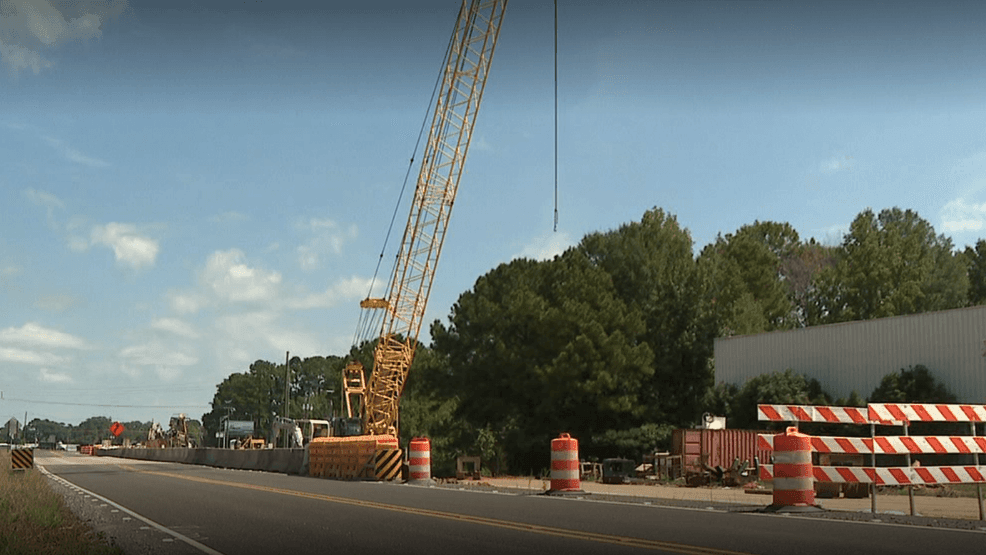
In recent months, frustration has mounted among West Alabama residents and local businesses as road construction projects—most notably the Skyland Boulevard Bridge replacement on U.S. 11—continue to drag on. This opinion editorial takes a closer look at the situation by examining local experiences, the reasoning provided by the Alabama Department of Transportation (ALDOT), and the broader implications for community safety and economic vitality. Here, we aim to unpack the tricky parts of the project timeline and the tangled issues that arise when public infrastructure fails to live up to expectations.
At its core, the delayed Skyland Boulevard Bridge project is not just about construction setbacks—it is about how prolonged delays ripple through local economies and everyday routines. With heavy equipment visible on-site yet little tangible progress, community members and small business owners are left wondering if their patience will be rewarded, or if the confusing bits of contractor delays and weather complications will continue to impose economic and practical burdens.
Examining the Skyland Boulevard Bridge Replacement: Local Perspectives and Hidden Challenges
Residents in Cottondale and nearby areas have expressed clear dissatisfaction with the state of the project. Ronnie Headly, a local campground owner, shared his concerns by noting that workers seem more focused on personal calls than on advancing the construction work. He remarked that extended delays not only disrupt his business operations but also risk damaging vehicles navigating poorly maintained trenches. Local drivers, such as James Simms, describe the extended project timeline—as long as two football seasons—as a prime example of how construction efforts have grown intimidating in their scope and off-putting in their execution.
This situation is further complicated by complaints that rising construction costs and seemingly misplaced prioritization could indicate a pattern of misallocated taxpayer dollars. The operational delays, combined with the nerve-racking administrative issues, have stirred up a sentiment that public infrastructure projects may be loaded with problems and internal tension. These local observations suggest that the fine points of project management and contractor oversight need closer examination.
Impact on Small Businesses and Community Livelihood
The delay in road construction has a ripple effect on nearby small businesses and local commerce. For many entrepreneurs, such as those managing campgrounds, roadside diners, and other service-oriented enterprises, road improvements are critical to ensuring steady customer flow and sustaining revenue. When projects such as the Skyland Boulevard Bridge replacement are delayed, it’s not just the physical structure that suffers—the local economy also struggles under the weight of unanticipated downtime.
Local business owners now confront several key issues:
- The inability for customers to safely navigate the area, which can result in lost revenue.
- Risks of vehicle damage due to incomplete road work, adding further economic strain.
- An overall decline in community confidence in the reliability and planning of public infrastructure investments.
These points underline the importance of having must-have, clear communication between contractors and the local communities they serve. When administrative decisions fail to address the subtle parts of project planning and execution, small businesses bear the brunt of the delays.
Understanding ALDOT’s Perspective: Train Schedules, Weather and More
In defense of the delayed timeline, a spokesperson for ALDOT explained that several factors have contributed to the slower-than-expected progress. The contractor has had to work around the railroad’s scheduled track time while contending with an unexpected uptick in train frequency. Weather conditions further compounded the schedule shifts, making it incredibly challenging to complete tasks on time. While these explanations may seem reasonable, they introduce a series of complicated pieces and lingering questions about project planning and oversight.
When considering the fine points of ALDOT’s rationale, it becomes apparent that managing these projects involves a tangled web of external factors, including:
- Coordination with railroad operations and adherence to strict track schedules.
- The impact of inclement weather and seasonal changes that can disrupt construction efforts.
- The challenge of keeping a clear line of communication with the public about how these factors will delay projects.
It is essential for state agencies to work through these twists and turns transparently, ensuring that the community understands both the unexpected obstacles and the intended measures to overcome them.
Local Community Concerns Versus Administrative Reassurances
The dual nature of current discourse is evident. On one hand, members of the community express concerns about the direct economic impact of the delays. On the other hand, ALDOT emphasizes that adjustments are being made in real time, and that no extensive traffic delays have been identified overall by the department. This strong contrast in viewpoints illustrates the problematic balance between immediate local concerns and broad-scale administrative oversight.
Below is a table summarizing the key points on both sides of the issue:
| Local Community Concerns | ALDOT Administrative Perspective |
|---|---|
|
|
This structured comparison helps both sides get into the conversation and emphasizes the importance of addressing both the local and administrative levels of infrastructure management.
Delays on I-20 East Bridge and Broader Implications
While the Skyland Boulevard Bridge project garners significant attention, the I-20 East Bridge in Riverside presents another case of deteriorating infrastructure that merits public inspection. Descriptions of the I-20 bridge as “absolutely awful” due to its patchwork steel repairs point to similar issues—a clear reminder that the challenges ALDOT faces extend well beyond a single project.
ALDOT’s response emphasizes that frequent inspections and immediate repairs aim to mitigate risks associated with the 62-year-old spans over the Coosa River. However, these quick fixes do not replace the need for a long-term plan to address the nerve-racking decay that affects the broader network of bridges across the region.
In a situation such as this, the public stands caught between temporary solutions and the necessity for more ambitious projects. As community leaders, local businesses, and motorists continue to share their experiences with deteriorating bridges, more extensive budgets and strategic initiatives must be considered to reaffirm trust in public infrastructure.
Economic Consequences and the Ripple Effect on Local Commerce
The economic fallout from protracted road construction projects can be extensive. The delays create an environment where local economies are left on edge, dealing with increased fuel costs due to revised travel routes and the inconvenience of navigating around makeshift detours. This is especially true for small business operators who rely on steady flow from passersby. Their frustrations are not merely anecdotal—they signal broader financial risks associated with inadequate public infrastructure.
Some drivers have even made remarks indicating that the situation feels like a form of corporate welfare, where taxpayer money seems misallocated in projects that do not deliver expected improvements. Such comments contribute to an overall perception that public funds are being managed with too many small twists rather than focusing on super important outcomes that directly benefit the community.
In essence, when road construction delays hinder local commerce, it is the subtle details of infrastructure management—often overlooked—that expose the need for better planning and accountability. The pressing need for timely, clear, and responsible project management becomes a must-have feature for enhancing both public trust and economic stability.
Balancing Public Safety, Economic Efficiency, and Infrastructure Upgrades
One of the most concerning challenges is finding an appropriate balance between urgent public safety improvements and the lengthy processes of engineering and construction. With incomplete roads and bridges, there’s an inherent risk to motorists and pedestrians alike. Even though ALDOT has noted that extensive traffic delays are not widespread, the potential damage from poorly marked trenches or incomplete pathways remains a significant public safety challenge.
In situations like these, safety measures could include:
- Enhanced signage to warn motorists about upcoming construction hazards.
- Temporary speed restrictions in zones with known road defects.
- Increased patrols by local law enforcement to ensure safe passage.
By taking a closer look at these safety measures, it becomes evident that there must be an integration of public safety initiatives within the broader framework of infrastructure improvements. The balancing act between immediate fixes and longer-term strategic planning remains one of the more overwhelming aspects of infrastructure management in a rapidly changing world.
Suggestions for Boosting Efficiency in Public Infrastructure Projects
With frustration simmering among local communities, there is an undeniable need to re-examine how such projects are planned and executed. To address the questionable management of projects like the Skyland Boulevard Bridge replacement and the repairs on the I-20 East Bridge, stakeholders should consider a number of actionable improvements:
- Enhanced Communication: Establish regular updates for residents and local businesses through community meetings or dedicated online portals. This helps demystify the confusing bits of construction delays by ensuring everyone is aware of the timeline and the obstacles along the way.
- Improved Contractor Oversight: Develop stricter accountability measures for contractors, making sure that work hours are efficiently managed and that delays not related to external issues are minimized.
- Robust Contingency Planning: Prioritize contingency strategies for dealing with weather-related delays and unpredictable railway schedules. This means developing alternate plans that can be swiftly implemented when the original timelines fall apart.
- Transparent Budget Tracking: Provide clear breakdowns of how taxpayer money is being spent, highlighting the clear distinctions between unavoidable external delays and internal mismanagement.
The table below presents a breakdown of these key improvement areas alongside potential benefits:
| Improvement Area | Potential Benefits |
|---|---|
| Enhanced Communication |
|
| Improved Contractor Oversight |
|
| Robust Contingency Planning |
|
| Transparent Budget Tracking |
|
Implementing these suggestions may seem like steering through a maze of complicated pieces and unpredictable variables. However, by focusing on key measures and maintaining open lines of communication, all parties can work together to get around the current pitfalls in public infrastructure projects.
The Role of Local Government and Policymakers in Resolving the Issues
Local government officials and policymakers have a super important role to play. They must get into the details of every project, ensuring that community voices are heard while balancing budgetary restrictions and the larger needs of statewide transport networks. In particular, these decision-makers should:
- Prioritize infrastructure projects that have the most immediate impact on local safety and economic activity.
- Ensure that project timelines are realistic by factoring in the many twists and turns of coordinating with multiple agencies and dealing with unpredictable external conditions.
- Explore innovative funding mechanisms that align with both state and municipal needs.
When policymakers manage your way through the challenges of a massive infrastructure overhaul by taking into account both the slight differences in project timelines and the long-term benefits for the community, the localized effects can be profoundly positive. The key is to take a closer look at the subtle parts of planning while ensuring that the community’s voices are an essential part of the decision-making process.
Community Voices: Stories from the Field
A number of local voices underscore the broader narrative emerging around these delays. Ronnie Headly’s experience at his campground vividly illustrates how the ongoing construction issues are more than a temporary inconvenience—they are a persistent challenge with economic repercussions. Likewise, James Simms’ candid remarks about the project dragging on for what feels like two football seasons highlight the nerve-racking tension that many community members feel when public works are mismanaged.
Beyond individual stories, the situation has lent itself to a broader conversation about accountability within public agencies. Local community groups are increasingly demanding that performance metrics and strict deadlines be established, with progress updates shared in plain language. This approach not only helps address the nerve-wracking wait but also ensures that practical feedback from those directly affected by these projects is incorporated into future planning.
Looking Ahead: The Future of Alabama’s Infrastructure Projects
As Alabama continues to grow and develop, the challenges posed by these current infrastructure projects provide a window into the need for comprehensive and thoughtfully executed improvements. The delays in road construction, though frustrating, offer an opportunity for local government, contractors, and community stakeholders to re-assess priorities and adopt smarter, more coordinated methods of project management.
Looking forward, several key actions can help reshape how such projects are managed:
- Integrating Modern Technology: Utilizing project management software and real-time monitoring tools can help identify and address issues before they balloon into major delays.
- Stakeholder Engagement: Regular town hall meetings and open sessions with community members allow for a more inclusive approach, where feedback can directly influence project adjustments.
- Cross-Agency Collaboration: Coordinating efforts between state transportation, local government, and even railroad companies ensures that all external factors are considered early in the planning phase.
- Long-Term Strategic Planning: While quick fixes are necessary at times, a focus on long-term bridge replacement and road improvement projects is critical for sustained regional development.
These measures, if implemented correctly, could help community stakeholders work through the tangled issues of miscommunication and delayed timelines, ultimately enabling smoother operations, more reliable public infrastructure, and boosted community morale. The ability to find your way through these challenges is as much about leadership as it is about understanding the subtle details that make each project unique.
Concluding Thoughts: Charting a Path Forward Together
The current state of Alabama’s road construction projects—marked by delays, frustrating administrative processes, and economic uncertainty—stands as a reminder of how vital clear communication and efficient project management truly are. Local residents, business owners, and policymakers all share a common goal: to see the region thrive as safe, well-connected communities where public funds are deployed with transparency and efficiency.
This editorial does not seek to place blame on any single entity but rather to highlight the need for a concerted, community-focused approach. Understanding the complicated pieces of delayed projects—the tricky parts of coordinating with railroads, the overwhelming impact of inclement weather, and the off-putting delays that affect local economies—allows all stakeholders to take a closer look at the existing system and advocate for critical change.
In the end, resolving these issues means making it easier for everyone to figure a path forward, ensuring that future infrastructure projects are designed and executed in ways that benefit the entire community. Alabama’s road projects may currently be a source of public frustration, yet they also represent a powerful opportunity for comprehensive improvements in our public works practices. It is hoped that with the adoption of clearer accountability measures, robust communication channels, and the integration of modern technology, future projects can overcome the hidden complexities that have characterized past efforts.
By examining local experiences alongside administrative responses, we can appreciate the nuanced balance between achieving rapid construction outcomes and managing the unexpected twists and turns inherent in large-scale public works. In sharing these perspectives, this editorial invites both policymakers and community members to actively engage in shaping a future in which public infrastructure is not only a symbol of progress and reliability but also a testament to the strength of local partnerships in overcoming challenging issues.
Ultimately, the story of the Skyland Boulevard Bridge and other delayed projects serves as a rallying cry for more collaborative and transparent infrastructure projects in West Alabama. If government agencies, local businesses, and residents can come together to address the complicated pieces of these challenges, then not only will these projects be completed more efficiently, but community trust and economic vitality will also be restored. Let this be a turning point—a time when the fine points of planning are re-examined, challenges are met head-on, and the community takes the wheel in steering towards a brighter future.
In a time when every mile of road matters, it is essential that the voices of those most affected are not lost in a sea of bureaucratic delays. By embracing innovative solutions, leveraging technology, and remaining dedicated to transparent operations, Alabama can transform these nerve-racking delays into a catalyst for sustained improvement in public safety, economic efficiency, and infrastructure resilience.
It is our sincere hope that the lessons learned from these delayed projects will serve as a blueprint for future endeavors—one that prioritizes both the practical needs of daily life and the strategic importance of long-term, sustainable development. As local communities continue to drive forward with optimism and a demand for change, public officials too must adapt their methods to ensure that, together, we all enjoy the benefits of modern, safe, and efficient roadways for generations to come.
Originally Post From https://abc3340.com/news/abc-3340-news-iteam/residents-frustrated-with-delays-in-alabama-road-projects
Read more about this topic at
ALGO Traffic
Travel Information