CNH Terry Dolan Leads the Charge in Sustainability Innovations through Building Americas Promise
Sustainability and Alternative Energy in Equipment Manufacturing: A New Era
The equipment manufacturing industry, particularly in construction and agriculture, is currently experiencing a major shift. Traditional methods are being reevaluated as alternative energy sources and advanced technologies introduce cleaner, more efficient solutions. With leaders like Terry Dolan at the forefront, the sector is working through tricky parts and tangled issues in the transition toward sustainable practices. In this opinion editorial, we take a closer look at how these changes are shaping the future of construction, the challenges of scaling clean-energy solutions, and why innovative collaboration remains essential.
Technologies Shaping the Future of Construction
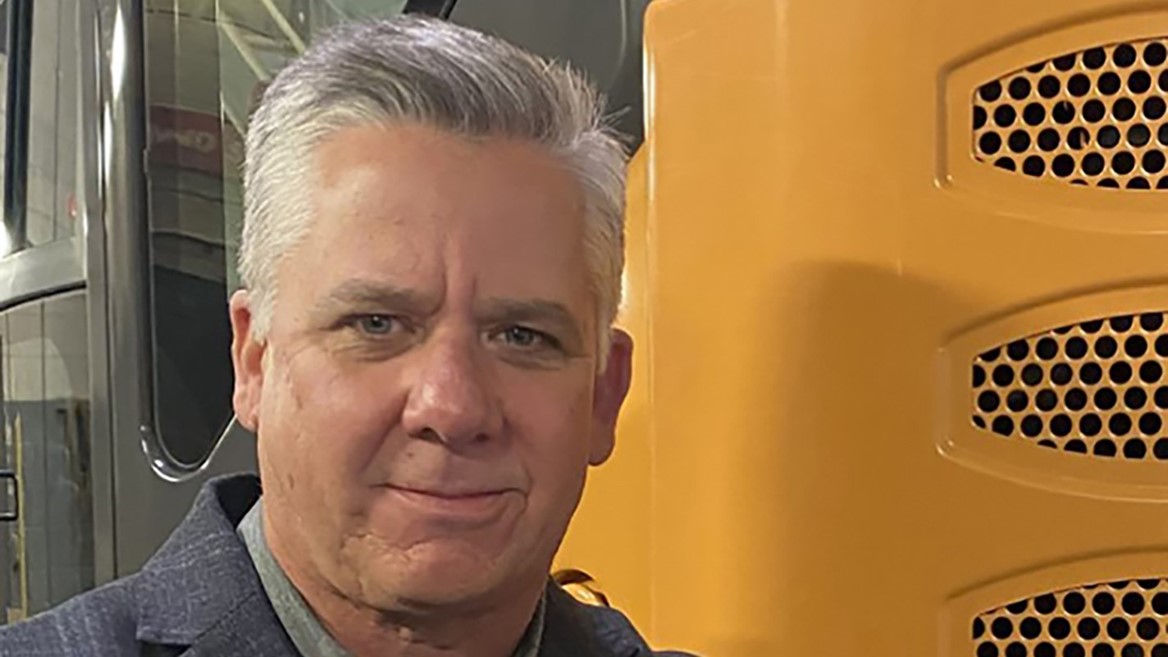
Recently, a new video from the Building America’s Promise series spotlights the innovative work underway in the equipment manufacturing world. Sponsored by CONEXPO-CON/AGG and AEM, the series features interviews with industry leaders discussing how emerging technologies are transforming construction. In this installment, Terry Dolan, Head of CNH Construction Brands for North America, highlights how advances in electric machinery and methane-powered systems are beginning to replace traditional diesel-powered equipment.
Dolan’s comments invite us to dig into the idea that there is no one-size-fits-all solution when it comes to alternative power sources. Instead, manufacturers are tailoring technologies to match the specific needs of each application. “It’s hard to have one alternative power solution that can scale to meet all of the different needs across this industry,” he explains. This sentiment captures the essence of the conversation: as the sector advances technologically, the route to sustainability is lined with both promising innovations and nerve-racking, complicated pieces.
Clean Energy in Construction: Embracing Electric and Methane Solutions
The move away from diesel is more than an environmental imperative—it’s a chance to redefine how equipment manufacturers operate. With electric construction equipment now reducing noise and emissions, especially in residential areas, and methane-powered tractors and loaders finding a home in agricultural applications, the status quo is being challenged. Companies like CNH are investing in tailored solutions, which help contractors achieve increased efficiency even in settings traditionally unsuitable for diesel engines.
The transition toward cleaner energy in this industry can be broken down into several key benefits:
- Reduced noise pollution in residential and urban areas
- Lowered greenhouse gas emissions
- Enhanced indoor performance where diesel engines were once off-limits
- Increased operational efficiency due to advanced technology integration
This list is indicative of the fine points involved in transitioning from diesel to cleaner alternatives. Not only does this improve the working environment, but it also marks an important step forward for contractors who rely on these machines to boost productivity and sustainability.
Overcoming the Overwhelming Twists and Turns of Clean-Energy Scaling
The journey toward widespread adoption of clean-energy equipment is full of confusing bits and overwhelming challenges. One central difficulty is finding the right balance between technology that is advanced enough to offer sustainable benefits and equipment that continues to meet the diverse functional demands of the market. As Dolan points out, scaling a technology to meet every need is on edge due to the varying nature of construction and agricultural requirements.
To better understand these challenges, consider this table that compares traditional diesel solutions with emerging alternative-energy systems:
| Aspect | Diesel-Powered Equipment | Electric/Methane-Powered Equipment |
|---|---|---|
| Environmental Impact | High emissions and noise | Lower emissions, quieter operation |
| Energy Efficiency | Proven but often outdated technology | Emerging technologies with the promise of higher efficiency |
| Operational Flexibility | Widely supported in diverse conditions | Customized applications for specific needs |
| Market Adaptation | Established supply chains and training processes | Rapidly evolving and adapting to local conditions |
This simple comparison reveals the subtle details of the transition. While traditional diesel equipment is deeply rooted in the industry, alternative-energy systems offer a promise of a less harmful and more efficient future. Still, making your way through these tangled issues requires perseverance, significant investment, and policy support, all of which are currently evolving.
Bridging the Gap Between Diesel Dependence and Emerging Technologies
One of the most pressing issues in the shift to innovations is bridging the gap between the cost and performance of conventional diesel machines and emerging alternatives. According to industry leaders, including Dolan, there is a pressing need for policy measures that offer incentives and help to offset the higher initial costs of electric and alternative-powered machinery. By building bridges with supportive incentives, the industry can accelerate the pace of adoption and ensure a smoother transition to a cleaner future.
This strategic change involves addressing several tricky parts, including:
- The cost disparity between traditional diesel and advanced electric systems
- Training technicians and contractors on the new technologies
- Managing the integration of alternative solutions in existing workflows
- Ensuring that the technology is scalable and adaptable across different types of equipment
Each of these points represents a complicated piece of the larger puzzle. If policymakers and industry stakeholders can come together to establish supportive frameworks, the entire sector stands to benefit immensely from improvements in productivity and environmental stewardship.
Charting a Policy Path Through Tricky Regulatory Issues
Government regulators and industry advocates are now faced with a tension-filled challenge: how to create policies that allow for innovation without phasing out traditional yet proven technologies too quickly. The regulatory landscape is loaded with issues that require a fine balance between supporting growth and ensuring safety and consistency across the market.
Here are some of the key challenges lawmakers and policymakers are working through:
- Updating outdated regulations that no longer suit current technological advancements
- Establishing clear guidelines regarding safety standards for emerging energy sources
- Providing financial incentives to encourage investment in clean-energy equipment
- Reconciling the need for rapid innovation with the stability of existing practices
The experience shared by industry leaders such as Dolan underlines the necessity for policymakers to get into closer dialogue with manufacturers. In doing so, they hope to build a regulatory framework that not only supports innovation but also helps manufacturers find their way through the nerve-racking, complex bits of the current system.
Industry Collaboration: The Role of Trade Shows and Digital Platforms
While policy discussions are crucial, the value of collaborative platforms cannot be overlooked. Events like CONEXPO-CON/AGG serve as essential venues for industry leaders to showcase the latest innovations, exchange ideas, and build strong, lasting relationships. Dolan emphasizes the importance of these gatherings as a catalyst for industry transformation. Such events allow stakeholders to sort out intricate matters, foster hands-on dialogue, and ultimately generate actionable strategies for the future.
In addition, digital content hubs like POLITICO Focus provide another layer of engagement for professionals working in the field. The online series not only highlights success stories but also digs into the subtle parts of how these advancements are being implemented across different markets. By taking a closer look at these digital platforms, industry participants are better equipped to figure a path forward in a rapidly changing environment.
Driving Efficiency Through Tailored Technology Solutions
Efficiency isn’t just about speed—it’s about adapting equipment to meet the exact needs of specific projects and markets. This emphasis on tailored solutions is a recurring theme in discussions about alternative energy implementations. For example, electric construction equipment is not only quieter and cleaner, but is also designed with the specific requirements of residential environments in mind. On the other hand, methane-powered systems are being fine-tuned to meet the robust needs of agricultural applications.
To help contractors and industry professionals fully appreciate these developments, consider the following aspects that make tailored technology solutions critical for future growth:
- Custom Fit: Specialized equipment helps in addressing the unique operational demands of different sectors.
- Enhanced Productivity: Machines that are built with specific tasks in mind tend to improve overall performance.
- Safety Considerations: Equipment designed for particular environments can better manage safety risks.
- Environmental Impact: Tailored solutions are more likely to succeed in reducing emissions and noise pollution.
These points illustrate that while the path to sustainable innovation might be full of nerve-racking twists and turns, the long-term benefits of increased productivity, safety, and environmental performance are too significant to ignore.
Building a Future-Proof Workforce in a Changing Industry
Transitioning to sustainable and alternative energy solutions is not solely a matter of technological advances—it also requires a forward-thinking approach to workforce development. Equipment manufacturers need to be prepared for the fine points of integrating new technologies into traditional systems. This means investing in education, retooling training programs, and ensuring that the workforce is ready to adopt these new practices.
Several initiatives are already in place to meet these demands:
- Educational programs that offer expert-led training and skill upgrades in the latest technology
- Networking opportunities that connect industry veterans with newcomers to share practical insights
- Strategic partnerships between manufacturers and educational institutions to ensure a steady flow of tech-savvy professionals
- Mentorship and hands-on workshops that dig into the small distinctions of advanced equipment handling
These steps are essential for making your way through the rather confusing bits of adapting to new technologies, and they ensure that the talent pool remains robust and competitive. With a well-trained workforce, manufacturers can better steer through changing market demands and technological shifts, ensuring a smoother transition to sustainable practices.
The Role of Advocacy and Legislative Support in Driving Innovation
Industry advocates are critical in bridging the gap between the current state of equipment manufacturing and the clean, efficient future that lies ahead. Advocacy groups are working closely with policymakers to establish incentives and streamline regulations that support technological advancements. This collective effort is super important for aligning the needs of manufacturers with the demands of modern technology.
A few key points in the advocacy arena include:
- Modernizing Regulations: Updating outdated regulations to accommodate modern technology is a top priority.
- Incentivizing Innovation: Government incentives can help offset the initial cost of transitioning from diesel to cleaner alternatives.
- Collaborative Policy Making: Industry leaders are increasingly engaging with legislators to develop practical, well-informed guidelines.
- Supporting Research and Development: Encouraging investments in R&D ensures that sustainable technologies continue to evolve.
By addressing these points, the industry is not only finding its path through immediate challenges but is also laying the groundwork for a more sustainable future. In a rapidly evolving technological landscape, the collaboration between regulators and industry professionals forms the backbone of necessary change.
Building Resilient Partnerships Through Trade Shows and Digital Outreach
Trade shows and webinars have long been pivotal in uniting industry peers and promoting the exchange of innovative ideas. Events such as CONEXPO-CON/AGG offer a stage for manufacturers to showcase breakthroughs, share their expertise, and forge lasting partnerships. These gatherings serve as ideal platforms for sorting out the hidden complexities and getting into the subtle parts of technological advancements.
In addition, digital platforms that provide updated content and expert insights are revolutionizing how industry professionals share their experiences and strategies. Through digital outreach, members of the equipment manufacturing community can:
- Access timely economic data and market insights
- Participate in webinars that discuss both new technology and regulatory changes
- Engage in discussions that dig into the fine shades of specific technological adaptations
- Network with peers to brainstorm solutions for common challenges
This combination of in-person trade shows and digital interactions is essential for creating a robust and connected industry. It allows leaders to figure a path forward collectively, ensuring that everyone remains on board as the market evolves.
Looking Ahead: A Decade of Rapid Transformation in Equipment Manufacturing
Industry experts predict that the next ten years will be transformative, marked by rapid changes driven by sustainable technology. As advanced technologies become more widely adopted, construction and agriculture will see significant improvements in safety, efficiency, and environmental performance. Terry Dolan’s optimistic outlook—centered around the idea that better, cleaner technology can drive greater productivity—resonates with many in the field.
The decade ahead promises:
- Increased adoption of electric and alternative power machinery across the board
- Substantial improvements in environmental performance and workplace safety
- Rapid expansion of technologies tailored to specific operational needs
- A strengthened relationship between policymakers, manufacturers, and contractors to drive technology adoption
This future outlook, although filled with its own set of tricky, overwhelming twists and turns, is grounded in the steadfast commitment of industry leaders and innovators. The promise of sustainable progress is within reach, provided that manufacturers continue to invest in smart, tailored innovations and engage in collaborative solutions with their partners and regulators.
Conclusion: A Call to Bridge the Gap and Foster Innovation
In summary, the journey toward sustainability in the equipment manufacturing industry is both challenging and full of promise. As we see cleaner, tailored technologies make their way into the market—reducing emissions, lowering noise levels, and enhancing overall efficiency—the industry is challenged with overcoming complicated pieces and nerve-racking obstacles along the way.
Leaders like Terry Dolan demonstrate that with the right mix of innovative engineering, smart policy-making, and collaborative platforms, the heavy machinery sector can indeed steer through the confusing bits and tangled issues to build a more sustainable future. Whether it’s through trade shows like CONEXPO-CON/AGG, digital hubs offering up-to-date insights, or advocacy that pushes for modernized regulations, every step counts in transforming the way we power our machines.
The shift away from diesel dependence to more efficient, environmentally conscious alternatives is not just a nice-to-have—it’s a must-have for the future success and competitiveness of the industry. As stakeholders work together to build bridges between traditional methods and breakthrough technologies, the message is clear: the future of equipment manufacturing is green, efficient, and built on a foundation of collaboration and smart innovation.
For those of us keeping a keen eye on the industry, it is an exciting time to witness such a transformation. While the path is full of intimidating twists and turns, the long-term benefits—ranging from a cleaner environment to more efficient operations—are undeniable. As the debate continues over how best to achieve these goals, one thing remains evident: the industry’s commitment to sustainable innovation is unwavering, and the progress achieved so far serves as a solid foundation upon which to build a better tomorrow.
It is essential for all parties—manufacturers, policymakers, and contractors alike—to get into active dialogue, continuously sort out the little details, and work collectively to overcome the challenges ahead. In doing so, not only will the equipment manufacturing industry continue to thrive, but it will also lay the groundwork for a more resilient and environmentally responsible future.
This is not merely an opinion piece; it is a call to action. Each advancement in technology, each successful partnership forged at a trade show or webinar, and every policy initiative aimed at incentivizing innovation helps pave the way for a sustainable future in construction and agriculture. By embracing change and investing in the future, the industry can transform what once seemed overwhelming and intimidating into new opportunities for growth and improved productivity.
Ultimately, the conversation around sustainability in equipment manufacturing is far from over—it is evolving every day. As we move forward, let us continue to work together, let us continue to innovate, and let us continue to support each other in making the sustainable future a reality. The road may be challenging, loaded with issues and full of confusing bits, but with collective effort and unwavering determination, the industry is destined to emerge stronger, wiser, and ready for the next great leap forward.
Originally Post From https://www.aem.org/news/cnh%E2%80%99s-terry-dolan-highlights-sustainability-innovations-in-latest-building-america%E2%80%99s-promise-video
Read more about this topic at
Revolution – Sustainable Loop Plastic Solutions
Revolutionary Eco-Friendly PPE: The Future of Sustainable …