Hacker Architects Modern Vision Transforms the Ellen Browning Building
The Intersection of Data Protection and Urban Architectural Innovation
In today’s ever-connected world, the business landscape is evolving at a breakneck pace. On one side, we have the commitment to safeguarding personal information as consumers increasingly use digital platforms. On the other, there is an exciting wave of architectural innovation that redefines shared living and community engagement in urban settings. As we work through these two realms, it is clear that each plays a role in shaping our economic future and social sustainability.
Balancing Digital Privacy with Seamless User Experience
Every online business owner, whether in small business or industrial manufacturing, must first work through the critical task of protecting customer data while delivering a smooth digital experience. The data protection practices that many websites and apps rely on—using cookies and similar tools to collect terminal and personal data—are among the central mechanisms by which websites integrate content, external services, and third-party elements.
This data is not only used to assemble various pieces of content on-screen, but it also plays a role in statistical analysis, personalized advertising, and even social media integration. Although providing this consent is completely voluntary, the information collected is used to store and access data on a device, ensure system security, and detect and address fraud or errors. Instead of making a nerve-racking choice, many users end up with a seamless digital experience that is both customized and secure.
Working through the requirements for data protection may at times feel intimidating, yet organizations around the world continue to refine these practices. They are carefully thinking through the tricky parts and tangled issues of user privacy, all the while supporting a business model that brings personalized content and timely advertisements to visitors. The digital world is essentially navigating these confusing bits by passing along information to trusted third parties who help manage security and improve the user experience.
Community Building Through Mixed-Use Urban Architecture
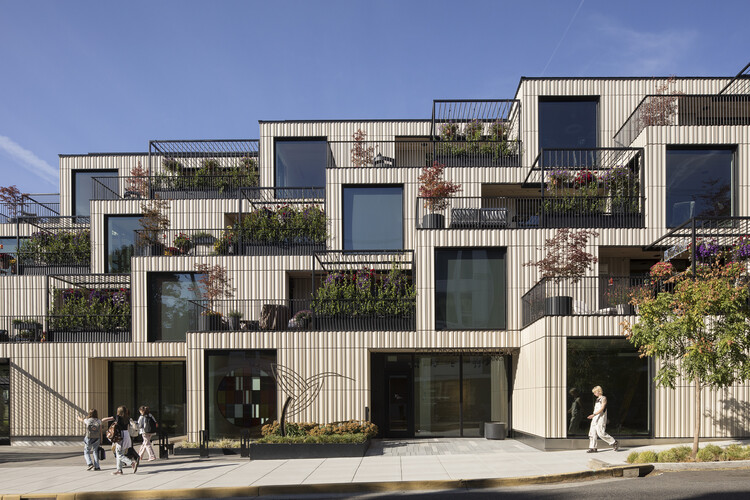
A truly compelling example of modern innovation shines in the Ellen Browning Building project in Portland, United States. This mixed-use residential building, designed by Hacker Architects, represents the spirit of community co-housing and has been thoughtfully planned to support both independence and togetherness. The idea was rooted in a group of close friends who wanted to preserve their relationships during later years without having to sacrifice the advantages of urban living.
Rather than simply packing in the maximum number of units, the 34,000-square-foot development honed in on quality of experience. The design strategically includes ten thoughtfully curated residences that offer not only cozy private spaces but also a wealth of shared amenities. Single-level flats, ground-level apartments for guests or caregivers, and street-level retail spaces culminate in a vibrant ecosystem that contributes both to the building’s internal community and the vitality of the surrounding neighborhood.
Key Features of the Mixed-Use Model
- Residential Diversity: The building houses apartments ranging in size from 1,000 to 4,000 square feet, offering flexible options tailored to individual needs.
- Community Spaces: Terraced patios and communal levels ensure that residents can either mingle with neighbors or enjoy their private retreat.
- Urban Integration: By embedding retail and art gallery spaces on the street level, the project reinforces local cultural and economic growth.
- Supportive Services: The ground-level apartments are dedicated to guest accommodations or on-site medical caretakers, which is particularly appealing for aging individuals looking to age in a walkable and amenity-rich setting.
This design for urban mixed-use living has sparked considerable interest among communities trying to strike a balance between isolated living and intimate community engagement. While small business owners, industrial manufacturers, and urban planners appreciate the innovation, the practical side of the project ensures that it is both economically and socially robust.
Innovative Construction Techniques: A Modern Approach to Architecture
One of the most compelling aspects of the Ellen Browning Building project is the innovative use of construction methods. These include prefabrication methods using cross laminated timber (CLT), terra cotta panels, and post-tensioned concrete frames. By integrating these modern materials and techniques, the project is able to reduce construction time, lower overall costs, and minimize errors during on-site work.
Prefabrication methods are especially popular because they help streamline the construction process. The use of CLT and terra cotta not only beautifies the building’s facade but also significantly cuts down the amount of work that must be done on-site. For those involved in small business or industrial manufacturing, these technological advancements highlight how modern solutions can effectively reduce overhead, save time, and boost overall project efficiency.
The textured exterior—clad in fluted, off-white terra cotta panels—acts as an urban canvas, interacting with light in a way that creates dramatic variations throughout the day. This attention to the finer points of visual design results in a structure that is as much about its artistic appeal as it is about practical urban planning. By breaking down scale with terraced patios and leafy green privacy screens, the building becomes a versatile space able to support both private and communal life.
Table: Comparison of Traditional vs. Modern Construction Techniques
| Aspect | Traditional Techniques | Modern Techniques (CLT, Prefab) |
|---|---|---|
| Construction Time | Longer, field-based assembly | Shorter, improved efficiency through prefabrication |
| Material Efficiency | Potential for higher waste | Higher material utilization and less waste |
| Cost | Generally higher due to on-site labor | Lower overall costs due to off-site fabrication |
| Sustainability | May involve less sustainable materials | Often uses eco-friendly and recycled materials |
This table clearly highlights some of the advantages modern constructions techniques offer compared to traditional methods. For industry stakeholders, recognizing and adopting these technical improvements can prove essential for achieving operational efficiency and sustainability.
Enhancing the Urban Fabric: The Role of Green Spaces and Community Amenities
The Ellen Browning Building is not just a residential structure; it is an embodiment of thoughtful urban design that aims to enhance the cityscape while nurturing a strong sense of community. One of its most captivating features is the series of terraced patios that double as both private outdoor retreats and communal meeting spots. The incorporation of lush, green elements, such as star jasmine-supported by a grid of painted steel tubes, brings nature right into the fabric of urban life.
This blend of green spaces and communal areas offers several benefits:
- Improved Quality of Life: Access to green spaces has been widely recognized as a contributor to mental and physical well-being. Residents have opportunities for outdoor relaxation, exercise, and even creative pursuits like gardening or community art projects.
- Social Sustainability: The communal terrace on the fourth floor acts as a hub for various activities—from cooking and dining to crafting and reading—encouraging social interaction and fostering a cohesive neighborhood.
- Urban Vitality: The inclusion of an art gallery and retail spaces on street level injects a dynamic energy into the district, turning the building into a live showcase of local culture and commerce.
In many small business environments, the presence of such well-integrated communal spaces can also drive foot traffic and support local commerce. Whether through pop-up markets, art exhibitions, or community events, creating shared spaces within buildings has slowly emerged as a key strategy for bolstering urban neighborhoods that are both economically and socially flourishing.
Simplifying Complex Processes: From Material Selection to Interior Design
The design details of the Ellen Browning Building serve as a blueprint for simplifying what might otherwise be considered off-putting and overwhelming projects. The design team focused on a minimalist approach when it came to the interior environment. With minimally finished white oak floors and ceilings, gypsum board walls, and customizable kitchen and casework templates, the process of selecting finishes became less about navigating through a maze of choices and more about selecting from a carefully curated palette of options.
By providing a selection of templates, the project allowed residents to customize certain aspects of their apartment while maintaining a coherent design language across communal spaces. Instead of forcing residents to wade through a tense and intimidating decision-making process, design freedom was offered within a structured, aesthetically pleasing templates system.
This team’s approach highlights some key takeaways:
- Focus on simplified design choices helps mitigate the tangled issues often associated with interior design.
- A modular approach allows for both personalization and consistency across communal and private spaces.
- Involving residents in the design process fosters a sense of ownership and pride in the project and community.
For those in industries such as industrial manufacturing, small business, or corporate real estate management, these fine points of design consideration speak to the value of structuring choices in a way that reduces the nerve-racking process of dealing with too many options. The nitty-gritty details matter—in the end, they define a space that is not just a building, but a living, breathing community.
Integrating Technology and Sustainability in the Modern Built Environment
In the broader context of economic news and developments, there is growing awareness of the role of technology and sustainable practices in modern construction and digital experience. Whether it’s the prefabrication techniques used by Hacker Architects or the secure cookie policies that underpin robust digital platforms, the common thread is innovation designed to simplify and improve our everyday lives.
For business leaders, a few key aspects warrant attention:
- Energy Efficiency: The use of thermally efficient fiberglass windows, metal trellises, and sustainable materials like Ipe decking speaks volumes about the increasing focus on reducing energy usage and maintaining environmental standards.
- Advanced Digital Tools: Just as secure digital methods are streamlined by careful cookie management and data protection, the construction process is enhanced by the integration of digital modeling tools such as Building Information Modeling (BIM). Such tools enable professionals to plan and execute projects with greater precision and fewer surprises along the way.
- Sustainable Materials: The initiative to use CLT and terra cotta panels not only supports rapid construction but also promotes a recycling-friendly, energy-efficient building process. These practices echo the philosophy that modern manufacturing and industrial methods can, with some careful steering, be aligned with eco-friendly principles.
It is important for urban developers and technology companies alike to appreciate that modern challenges—whether tricky digital bits or the tangible, physical issues of building a structure—are interconnected. Sustainable practices and secure technology strategies both contribute to a future where ecosystems, urban communities, and digital users all thrive in harmony.
Economic Implications and Future Prospects for Mixed-Use Developments
From a business tax perspective and economic news angle, projects like the Ellen Browning Building offer intriguing lessons. Mixed-use developments have the potential to serve as new engines of urban growth, fueling economic activity through multiple streams—from residential leasing to retail turnover and art-based cultural engagements.
Economically, here are some valuable insights associated with such projects:
- Tax Incentives: Many municipalities offer tax breaks or credits to developments that integrate sustainable practices and community-focused design elements. These initiatives not only reduce costs for developers but also stimulate local business by keeping money circulating within the community.
- Increasing Property Values: Thoughtfully designed mixed-use buildings tend to reflect quality and innovation in urban living. As a result, property values in surrounding neighborhoods often see an uptick, benefiting local councils and community stakeholders alike.
- Boosting Local Commerce: With retail spaces and communal environments, mixed-use projects act as catalysts for local business. Urban districts that host such developments become vibrant hubs, drawing both residents and visitors, which in turn provides a reliable customer base for local entrepreneurs.
Interestingly, the cross-over potential between architecture, manufacturing, and modern business is this shared goal: to create spaces and systems that enable both personal freedom and community growth. The fine shades and subtle parts of the Ellen Browning Building’s design—along with its streamlined construction processes—are indicative of a broader trend toward building environments that are as economically sound as they are aesthetically pleasing.
Adapting Business Models in a Digital and Physical Hybrid Ecosystem
The modern business ecosystem is increasingly a mix of digital and physical experiences. Online platforms that rely on robust data protection measures work in tandem with tangible projects that define urban centers. For leaders in industries as varied as automotive, electric vehicles, and industrial manufacturing, this merging of digital savvy and physical innovation offers fresh opportunities.
The technological integration on digital platforms—with their secure cookie policies and personalized data collection—is analogous to the streamlined, technology-enhanced construction processes witnessed in modern architecture. Both realms require a careful balance between security and user (or resident) experience.
Consider the following points as key elements in adapting to this hybrid ecosystem:
- Integration of Secure Technologies: Whether developing an app or constructing a building, prioritizing security can eliminate many of the confusing bits and off-putting aspects of the process. Businesses that effectively incorporate secure digital methods see fewer setbacks and a more loyal customer base.
- Customer and Resident Engagement: By enabling personalization—through digital advertising or customizable living spaces—developers and business owners are better positioned to meet the nuanced needs of their communities.
- Sustainable and Affordable Innovation: The drive to implement materials and methods that lower overall costs, such as prefabrication in construction or streamlined backend processes for websites, is a win-win for economic sustainability and improved service delivery.
For many, the challenge is to figure a path forward that embraces both the physical realm of brick-and-mortar developments and the intangible digital spaces that now define modern consumer behavior. This balancing act, loaded with promise yet full of problems, is one that business leaders and urban developers alike are actively working through.
The Role of Personalization and Customization in Today’s Society
One of the most inspiring aspects of the Ellen Browning Building lies in its focus on personal choice and customization. While traditional multifamily developments often follow a one-size-fits-all approach, this project puts a super important emphasis on offering flexible options that cater to both individual preferences and communal needs.
Residents are provided a curated menu of design choices—from personalized kitchen layouts to bespoke finishes. This approach minimizes the overwhelming number of decisions while still offering room for individual expression. Rather than confronting residents with a maze of confusing bits, the project presents them with a manageable set of customizable options that are easy to understand and execute.
In parallel, online platforms that handle data protection and user preferences are employing similar strategies. Users can customize their privacy choices—deciding between personalized advertising or a more generic digital experience. This level of personalization is key to creating experiences that are both user-friendly and secure.
When examining how both realms approach customization, it becomes evident that modern innovation is less about rigidity and more about flexibility. By providing simplified selections and clear, manageable choices, both digital platforms and physical projects can ensure that users feel their needs are heard and respected.
Looking Ahead: Future Trends in Urban and Digital Innovation
As we cast an eye to the future, it is clear that both data protection and urban architectural innovation will continue to evolve in tandem, driven by technological advances and changing consumer expectations.
For data protection, the landscape promises further refinement:
- We anticipate smarter, more adaptive algorithms that can automatically sort through the tangled issues of user preferences while maintaining stringent security standards.
- Advanced analytics and machine learning may soon make it easier to figure a path through the small distinctions in buyer behavior and online engagement, delivering hyper-personalized experiences without compromising on privacy.
- Stronger collaboration among tech companies, regulators, and industry experts will likely help to develop standards that are both transparent and user-oriented.
Similarly, the realm of architectural innovation is set to see continued growth in areas such as sustainable construction practices, energy-efficient designs, and digital integration into the building industry.
Future developments may incorporate:
- Smart Buildings: Integrating sensor technology and real-time data analysis to monitor building performance, energy usage, and resident comfort.
- Enhanced Material Technology: The wider adoption of eco-friendly materials that reduce carbon footprints while enabling flexible design.
- Community-Focused Urban Design: Greater emphasis on creating mixed-use developments that connect residential living with commercial vibrancy and cultural expression.
These future trends are intimately related. Just as digital platforms continue to refine their methods for managing and protecting data, architects and urban planners are refining their methods to build smarter, more efficient, and more engaging spaces. Working through these multiple layers of innovation allows both sectors to benefit from shared experiences that emphasize security, economy, and sustainability.
Lessons Learned from the Ellen Browning Building Project
Taking a closer look at the Ellen Browning Building project, one can appreciate a blend of thoughtful design, technical innovation, and community-driven objectives. This project offers several lessons for business leaders and urban planners alike:
- Thoughtful Integration of Technology: By using modern materials such as CLT and terra cotta panels, the architects demonstrated that it’s possible to merge aesthetic appeal with operational efficiency.
- User-Centric Design: Whether it’s navigating through custom finish options or providing accessible communal spaces, the project emphasizes that user experience should be at the center of any design.
- Sustainable Urban Living: The inclusion of greenery, communal spaces, and integrated retail elements showcases the potential of mixed-use developments to boost community engagement and local economies.
- Adaptive Construction Methods: Embracing modern construction techniques that minimize on-site work and reduce overall costs can serve as a model for future developments in any sector.
For policymakers, business owners, and developers, these lessons serve as a guide for future projects that seek to balance practicality with modernity. The lessons learned from this project can help others figure a path through the subtle details and complicated pieces common to large-scale endeavors.
Reflections on the Interplay Between Privacy and Progress
In conclusion, today’s society stands at a unique crossroads where digital privacy and architectural innovation converge. As companies safeguard personal data while integrating user-friendly features online, urban developers are rethinking traditional living models to foster more connected, community-oriented spaces.
This intersection of secure digital practices and innovative physical spaces is more than just a trend; it represents a forward-thinking approach to economic and social sustainability. Whether you are a small business owner, a manufacturer, or simply a resident of a modern urban space, the underlying message is clear: embracing innovation by simplifying the tricky parts and reducing overwhelming choices leads to better outcomes for everyone.
The digital world’s insistence on protecting personal data and the architectural focus on community and sustainability are not mutually exclusive endeavors. In fact, they share a common ground—a commitment to creating environments that are secure, efficient, and enriching. By taking a closer look into both realms, we see that the twists and turns of today’s challenges can be managed successfully through technological adaptation and smart design strategies.
Charting a Path Forward
For industry professionals, from automotive innovators to experts in industrial manufacturing, the key takeaway is simple: progress is best achieved by finding your way through the complex bits one step at a time. Here are a few recommendations for businesses and developers looking to move forward:
- Embrace Modern Tools: Invest in BIM and other digital project management tools that provide clarity and precision in construction.
- Prioritize Security and Personalization: Whether managing a digital platform or designing a building, ensure your approach minimizes overwhelming decisions while keeping user needs at the forefront.
- Integrate Sustainable Practices: Consider eco-friendly materials and energy-efficient systems not only to cut down on costs but also to contribute toward a sustainable future.
- Engage with Community: For urban planners, integrating communal spaces and flexible design elements into projects can yield long-term benefits for both residents and local businesses.
By working through the small distinctions in design and process, business leaders can steer through today’s challenges and set the stage for tomorrow’s successes. A comprehensive strategy that spans digital security and physical innovation not only supports operational goals but also bridges the gap between technological efficiency and community values.
Final Thoughts on a Secure and Innovative Future
The evolution of data protection practices and innovative urban architecture are two sides of the same coin—each striving to enhance the quality of life in a rapidly changing world. As we dig into both areas, we see that the secure handling of personal data on digital platforms aligns with the careful design choices of modern mixed-use developments. Both require navigating tricky bits, addressing tangled issues, and ultimately providing a more personalized, efficient experience for their users.
For small business owners, architects, urban developers, and technology leaders, the combined lessons of digital security and architectural innovation offer a roadmap for the future. By taking calculated steps to simplify processes, reduce overwhelming choices, and invest in technologies that foster sustainability and personalization, we can build a future that supports both secure digital environments and vibrant, resilient communities.
The Ellen Browning Building, with its innovative design and use of advanced materials, stands as a testament to what is possible when careful planning meets modern technology. Meanwhile, the ongoing evolution of data protection measures ensures that our increasingly digital lives remain both secure and personalized. Together, these trends provide a promising outlook—one where the seamless integration of secure, personalized data approaches and innovative urban planning paves the way for economic growth and community well-being.
In sum, the challenges of our time, though often filled with confusing bits and overwhelming decisions, are being met with strategies that prioritize clarity, security, and sustainability. As we look ahead, industry experts and community leaders are encouraged to continue making smart choices—be it in preserving user privacy or constructing spaces that foster community spirit. The future is indeed bright for both well-protected digital domains and thoughtfully designed urban landscapes, and it is through this dual commitment that we will continue to thrive in an increasingly interconnected world.
Originally Post From https://www.archdaily.com/1034319/ellen-browning-building-hacker-architects
Read more about this topic at
Sustainable Shared Spaces: Supporting Communities to …
Sustainable Neighborhood Design: 5 Inspiring Tips 2025