Hithium Energy Storage Technology Launches Bold Tripartite Strategic Alliance
/https%3A%2F%2Fpolarium.com%2Fwp-content%2Fuploads%2F2025%2F01%2Fimage-stellapolarium.jpeg)
Strategic Alliance: A Game Changer in Global Energy Storage
The recent tripartite agreement signed in Xiamen by Hithium Energy Storage Technology Co., Ltd., Aton Energy Technology PTE. LTD., and EliTe Solar is creating buzz in the renewable energy world. This strategic partnership marks a turning point for the global integration of photovoltaic (PV) and energy storage solutions. While the agreement carefully lays out ambitious targets, such as deploying no less than 10 GWh of energy storage projects over the next three years, it is also a signal to industry players that collaboration is the key to overcoming the tricky parts and tangled issues inherent in the rapidly evolving energy market.
At the heart of this deal lies a determination to push forward in a market that is often full of problems and loaded with challenges. As companies from different regions merge their expertise, they are not only seeking economic opportunities but also working through nerve-racking regulatory environments, technical integration issues, and subtle details that can make or break a project. This editorial examines this strategic alliance from multiple angles, offering insights into its broader impact on the renewable energy sector, industrial manufacturing, automotive, and even small business spheres.
Understanding the Tripartite Partnership Agreement
The cooperative agreement, inked on November 4 in Xiamen, is more than just a business arrangement; it embodies a vision for sustainable development across key regional markets, including the United States, Europe, and the Asia-Pacific region. The three companies have committed to jointly deploy energy storage projects that will not only bolster renewable energy integration but also address some of the most complicated pieces of global energy challenges.
Key Components of the Agreement
When we take a closer look at the specifics of the collaboration, several critical elements emerge that help define its potential success. Each partner brings distinct expertise and a proven track record to the table:
- Hithium Energy Storage Technology: Based in Xiamen, this company has been dedicated to pushing the boundaries of energy storage technology, aiming to facilitate a smoother integration of PV and storage solutions on a global scale.
- Aton Energy Technology: Headquartered in Singapore, Aton Energy has built a strong international reputation by development and operation of renewable energy projects. Their impressive portfolio includes over 30 GW of renewable projects, and they have direct experience in investing, constructing, and operating energy storage plants exceeding 10 GW.
- EliTe Solar: As a Chinese-based photovoltaic system service provider, EliTe has earned credibility through a 99% traceable green supply chain. Their established production networks in countries like Vietnam, Indonesia, and Egypt underscore their commitment to reliable and sustainable solar solutions.
Each of these players plays a meaningful role. Together, they plan to tackle the subtle parts and little details that come with global energy systems, aiming to steer through challenges such as regulatory hurdles, technical standardizations, and market uncertainties. The holistic nature of the partnership is designed so that no aspect of the deployment process is left to chance.
Deployment Goals and Regional Impact
The agreement sets a crisp target: deploy at least 10 GWh of energy storage projects within three years. This target is not only ambitious but also speaks volumes about the confidence the partners have in their collective ability to influence the market. The focus on key regional markets such as the United States, Europe, and the Asia-Pacific region highlights several interesting aspects:
- United States: Here, energy storage is emerging as a strategic tool for managing grid stability and integrating intermittent renewable sources. Regulatory changes and policy shifts make the U.S. an attractive but slightly intimidating market where companies must work through complicated regulatory bits.
- Europe: Europe has long been a forerunner in adopting green energy technologies. The region is known for its progressive sustainability policies and strong market commitment to renewable integration, though the path is sometimes full of problems and nerve-racking policy reviews.
- Asia-Pacific: A rapidly growing segment in the global energy market is the Asia-Pacific region, where emerging economies are stepping up investments in renewables. However, the unique technical standards and cultural factors in different countries mean that each project presents its own twists and turns.
This geographical focus is essential for understanding the market dynamics that these companies must work through. By targeting these regions, the alliance addresses not just the supply of energy storage solutions but also the demand in areas where renewable energy integration is rapidly expanding.
Overcoming Tricky Parts in Global Energy Integration
Energy storage, as a sector, is known for its nerve-racking regulatory reviews and tangled technological issues. However, the collaboration between Hithium, Aton, and EliTe signifies that when expertise is pooled, even the most intimidating parts of renewable energy integration can be handled effectively. Working through scenic but complex international markets is always a full-of-problems undertaking, yet strategic partnerships can make a significant difference.
Addressing Technological and Regulatory Hurdles
One of the main challenges in deploying large-scale energy storage projects is dealing with the myriad of technical standards that vary from one region to another. Here are some of the tricky parts that the partners are likely to face:
- Regulatory Compliance: Each region has its own set of rules and regulations, which can be intimidating and sometimes nerve-racking to navigate. The collaboration will have to find its way through these policies by adopting best practices from each market.
- Grid Integration: Connecting energy storage with the existing power grid involves complicated pieces that require precise engineering and operational expertise. This includes ensuring stability during intermittent power flows from renewable sources.
- Technological Synchronization: Fusing PV systems with energy storage technology requires aligning various technical parameters. This means managing subtle details in design, performance, and safety standards.
An effective way to approach these is by establishing a comprehensive roadmap that outlines the necessary milestones and key checkpoints. Below is a simplified table that outlines potential project milestones:
| Milestone | Objective | Region Focus |
|---|---|---|
| Project Planning | Define technical and regulatory standards | Global – Tailored per region |
| Technology Integration | Integrate PV with energy storage systems | Pilot Projects in US and Europe |
| Grid Connection | Ensure stable and compliant grid integration | Asia-Pacific and Emerging Markets |
| Operational Launch | Deploy large-scale energy storage units | Global Roll-out |
By adopting such a structured approach, the alliance can make its way through complicated regulatory landscapes and technical challenges with minimal friction. Each partner’s expertise is a must-have attribute that fills the gaps where one might otherwise encounter overwhelming difficulties while trying to dive into unfamiliar markets.
The Role of Hithium Energy Storage in Accelerating Renewable Integration
Hithium Energy Storage Technology has historically been at the forefront of energy storage innovations. In recent years, as renewable energy systems have come under increasing pressure to combine with efficient storage solutions, companies like Hithium have emerged as critical players. Their role is super important in spearheading projects that integrate energy storage at scale.
Innovations and Strategic Positioning
At its core, Hithium is dedicated to developing breakthrough technologies that address the hidden complexities in energy storage systems. Their approach involves a blend of advanced battery technologies, real-time monitoring systems, and integration modules that allow for a seamless coupling with PV installations. This innovation is essential because:
- Efficiency Improvements: By enhancing storage efficiency, Hithium can help reduce operational costs and optimize energy usage during peak demand times.
- Grid Stability: Modern energy storage systems are designed to provide much-needed stability to power grids, especially when integrating fluctuating renewable energy sources.
- Scalability: Hithium’s technologies are designed to be scalable across various project sizes – from small business applications to large industrial setups.
Innovations are also driven by the company’s willingness to get into the little details that matter. Even seemingly subtle parts of technology, such as battery management and temperature regulation, can have a profound impact on performance. As renewable energy evolves, partnerships like this one offer a chance to work through the twisting and turning technical challenges while ensuring that each project adheres to the highest standards of safety and efficiency.
International Collaboration: Paving the Way for Energy Storage Expansion
The contribution of international players such as Aton Energy Technology and EliTe Solar cannot be understated. Their combined experience and established presence in their respective markets provide a solid foundation to support large-scale deployment projects. The collaboration leverages each company’s unique strengths to make international expansion less overwhelming and more manageable.
Aton Energy Technology: A Global Renewable Force
Aton Energy has developed a reputation for managing and executing large-scale renewable energy projects in multiple key markets. Based in Singapore, this company has accumulated extensive experience in developing, constructing, and operating projects with capacities reaching an impressive 30 GW. Their expertise not only in photovoltaics but also in managing energy storage systems exceeding 10 GW makes them a vital partner in this alliance.
Some critical aspects of Aton Energy’s approach include:
- Cross-Border Expertise: With operational footprints in the United States, Europe, and Australia, Aton Energy brings a nuanced understanding of international markets.
- Investment and Funding: Their track record in securing and managing investments ensures that projects remain financially viable while scaling rapidly.
- Technical Know-How: Their integrated approach to renewable energy projects ensures that the fine points of system design and operation are always under control.
The presence of a seasoned player like Aton Energy is crucial because it provides the alliance with the confidence needed to take on markets that might otherwise appear intimidating. Their ability to work through regulatory issues and steer through technical challenges sets a strong example for other players in the sector.
EliTe Solar: Enhancing PV Integration Through Traceable Supply Chains
EliTe Solar brings another significant piece to the puzzle of global renewable integration. As a leading photovoltaic system service provider in China, EliTe has built a resilient and 99% traceable green supply chain across countries such as Vietnam, Indonesia, and Egypt. This achievement means that the company is not just a provider of hardware; it is a guardian of quality and sustainability in the solar supply arena.
Key highlights of EliTe Solar’s operational model include:
- Traceability: Maintaining a near-complete traceability record for their green supply chain means that each component from silicon wafers to the finished modules is accounted for. This level of detail is essential for countries and regions that have strict environmental standards.
- Geographical Reach: With production lines spread out over several countries, EliTe is well-positioned to cater to different regional market needs and standards.
- Quality Assurance: Their constant focus on ensuring process integrity minimizes the risk of supply chain disruptions and quality diminutions.
By contributing their expertise in PV systems and supply chain management, EliTe Solar eases the potential nerve-racking twists and turns that are typically associated with large-scale projects. Their role aligns perfectly with the alliance’s objectives, especially in providing a stable and efficient platform for renewable energy assets in geographically diverse regions.
Implications for Small Business, Industrial Manufacturing, and the Broader Economy
The ripple effects of this strategic alliance extend far beyond the realm of renewable energy enthusiasts and large-scale developers. Small business owners, industrial manufacturers, and automotive companies stand to benefit from a more stable and integrated energy supply. This is especially true in an era when traditional energy sources are becoming less reliable due to growing environmental concerns and fluctuating global markets.
Small Business and Local Economies
Small businesses increasingly rely on sustainable practices not only to reduce operational costs but also to enhance their competitive edge in a market that values environmental responsibility. The integration of advanced energy storage solutions means that:
- Cost Savings: Energy storage solutions can help small businesses reduce electricity costs during peak hours by shifting consumption patterns.
- Energy Reliability: The availability of backup storage systems ensures that business operations continue uninterrupted during power outages, which is particularly important for sectors that depend on continuous production lines.
- Sustainability Credentials: Companies that invest in renewable and storage technologies are often seen as more sustainable and progressive, potentially attracting new customer segments and partnerships.
The above aspects not only contribute to lowering operating costs but also empower local economies to find a path through the challenging bits of transitioning from fossil fuel dependency to greener, cleaner energy sources.
Industrial Manufacturing and the Automotive Sector
Industrial manufacturers, especially those involved in processes requiring significant energy uptime and stability, are likely to see marked benefits from the enhanced grid stability brought about by large-scale energy storage projects. For the automotive industry, particularly electric vehicle (EV) manufacturers, a robust energy storage framework is critical for the following reasons:
- Charging Infrastructure: As EV adoption grows, the demand for efficient and reliable charging infrastructure becomes super important. Energy storage systems can smooth out intermittency from renewable sources supplying these charging stations.
- Supply Chain Reliability: Manufacturers benefit from reduced downtime and increased operational efficiency when powered by stable, renewable-backed grids.
- Sustainable Manufacturing Practices: Incorporating renewable energy and energy storage not only reduces costs but also aligns with increasingly strict environmental regulations, thereby improving a company’s public image.
In this environment, having a dependable, integrated energy system can make the difference between a company’s success and its struggle through overwhelming, complicated pieces of traditional energy supply challenges. The alliance, by streamlining and optimizing how renewable resources are stored and utilized, offers a promising glimpse into a future where industrial operations can be both efficient and environmentally friendly.
Working Through Regulatory and Market Twists in the Energy Sector
One of the hidden complexities in executing a drive of this scale lies in managing regulatory requirements and ever-changing market conditions. Different regions impose various standards and rules, and the energy sector is no exception. However, such challenges are not insurmountable when tackled with focused expertise and coordinated planning.
Regulatory Flexibility and Safety Standards
Each regional market represents a unique set of regulatory demands. In the United States, for instance, the challenge might be the nerve-racking process of regulatory approvals at the state and federal levels. In contrast, European markets often require adherence to strict environmental standards, while the Asia-Pacific region may involve negotiating local technical requirements and practices.
To manage these distinct regulatory environments, the alliance can adopt several strategic practices:
- Custom-Tailored Compliance Strategies: Develop region-specific compliance frameworks that address local rules and regulations while maintaining a global operational standard.
- Stakeholder Engagement: Engage directly with local governments and regulatory bodies to ensure that projects are planned with both safety and innovation in mind.
- Adopting International Standards: Where applicable, adopting widely recognized international standards can help smooth out some of the small distinctions between regional regulations.
By making these methods part of their standard operating procedures, the companies involved can reduce the intimidating friction that sometimes accompanies cross-border ventures. Each step forward helps figure a path through regulatory maze-like conditions while maintaining a strong focus on safety and efficiency.
Market Adaptation in a Rapidly Changing Industry
The renewable energy industry, especially the energy storage segment, is in constant flux. Market trends can shift rapidly due to technological breakthroughs, policy changes, or variations in consumer demand. This dynamic environment means that flexibility is super important for any long-term project. The alliance has the advantage of pooling insights from different markets, giving them an edge when it comes to adapting to changes swiftly.
Key strategies for adapting to market evolution include:
- Data-Driven Decision Making: Leveraging market insights and analytical tools to assess when and where to intensify project investments or pivot strategies.
- Innovative Financing Models: Establishing flexible financing models that can support the capital-intensive nature of energy projects while spreading risk.
- Collaborative R&D: Joint research and development efforts focused on overcoming any hidden complexities and fine points of technology integration, thereby ensuring that systems remain state-of-the-art.
Such strategies can help the alliance not only stay ahead of market twists and turns but also smooth out the nerve-racking transitions that come with shifting consumer demands and technology trends. An ongoing commitment to innovation and market adaptability is the cornerstone for long-term success in the global energy storage arena.
Looking Ahead: Future Trends and Implications for the Energy Sector
As the world moves increasingly towards renewable energy, it is clear that energy storage will play a decisive role in the evolution of global power systems. The collaboration among Hithium, Aton Energy, and EliTe Solar represents more than just an industry milestone; it is an early indicator of where the market is headed.
Emerging Technologies and Shifting Industry Priorities
We are at a juncture where emerging technologies are set to redefine how energy is stored, managed, and integrated into existing grids. Innovations such as advanced lithium-ion batteries, solid-state storage solutions, and even new chemistries are just the tip of the iceberg. These technologies are designed to work through the complications that come with merging intermittent renewable sources with traditional grid infrastructures.
Some emerging trends that could shape the future include:
- Next-Generation Batteries: Research is underway to develop batteries with higher energy densities, longer life spans, and improved safety profiles. Such advancements could reduce many of the nerve-racking technical challenges currently faced by large-scale deployments.
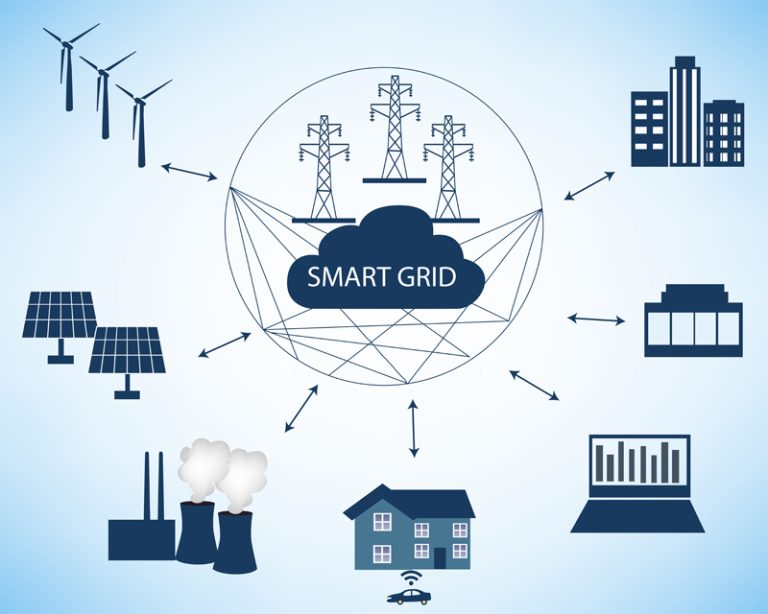
- Digitalization and Smart Grids: Integrating digital monitoring and control systems into energy storage projects can help manage load, predict maintenance needs, and optimize performance. This digital approach can help companies distance themselves from the confusing bits that often complicate traditional energy management systems.
- Hybrid Renewable Systems: The integration of multiple renewable sources, such as wind, solar, and even emerging technologies like tidal power, onto a unified energy storage platform represents an exciting new frontier. These systems will need to be flexible enough to work through the little details that ensure stability and efficiency.
As these technological shifts progress, the current alliance holds promise as a model for future collaborations. By combining global reach, technical proficiency, and a willingness to work through the tangled issues in the energy sector, this partnership is well placed to not only adapt to but also shape emerging trends.
Policy Changes and Economic Impacts
Policy also remains a critical factor in determining the pace at which new energy technologies are adopted. Governments around the world are beginning to place higher emphasis on sustainability, and this regulatory push can serve as both an opportunity and a challenge. The alliance’s focus on key regional markets is partly driven by the favorable policies in those regions. However, companies must remain flexible enough to figure a path through policy shifts that are sometimes full of problems.
Some of the economic impacts to watch for in the near future include:
- Job Creation: As energy projects scale up, there will be a corresponding need for skilled labor in fields ranging from engineering to project management. This can have beneficial effects on local economies.
- Investment Opportunities: Large-scale energy storage projects attract investors looking for sustainable, long-term returns. The financial models developed through such collaborations could serve as blueprints for future investments in renewable technology.
- Infrastructure Upgrades: As governments and private companies invest in energy storage, there will be a ripple effect leading to improved grid infrastructure. This not only benefits renewable energy integration but also provides a more stable and efficient platform for all economic sectors.
The interplay between policy and economic incentives is delicate, and managing your way through these market twists requires a balanced approach that includes both proactive technical innovations and meticulous regulatory planning. The current alliance exemplifies how international collaborations can simultaneously address evolving policies and spur significant economic growth.
Conclusion: Finding the Path Forward
The tripartite agreement between Hithium Energy Storage Technology, Aton Energy Technology, and EliTe Solar is a testament to what can be achieved when industry leaders come together with a mutual vision. This collaboration is a strategic move that addresses not only the fine points and subtle parts of technology integration but also the broader economic and regulatory framework governing global energy markets.
By setting ambitious targets, such as the deployment of no less than 10 GWh of energy storage projects in key regions like the United States, Europe, and the Asia-Pacific area, the alliance plans to tackle the intimidating, nerve-racking, and often tangled issues associated with large-scale renewable energy integration. The combined strengths of each partner—whether it is Hithium’s innovative storage technologies, Aton Energy’s global renewable expertise, or EliTe Solar’s robust photovoltaic supply chain—create a formidable foundation for success.
The implications of this agreement reach far beyond the energy sector. Small businesses stand to gain from more reliable and cost-effective energy sources; industrial manufacturers and the automotive sector can take advantage of the enhanced grid stability provided by large-scale storage systems; and policymakers may see this as a blueprint for combining international best practices with home-grown innovation.
While the road ahead is dotted with tricky parts and confusing bits, the alliance exemplifies a proactive approach to managing your way through these twists and turns. As the energy market continues to evolve, it is collaborations like these that will chart the course for a sustainable, economically vibrant future.
Looking forward, the success of this strategic cooperation could serve as a catalyst for further international projects, encouraging more players to come together to address the challenges present in the renewable energy landscape. The partnership’s holistic approach—focusing on technological innovation, regulatory compliance, and market adaptation—sets a positive example that others can follow.
In sum, the tripartite agreement is far from just another business transaction; it is a critical step towards a more resilient and integrated energy future. The journey may be loaded with issues and occasional intimidating regulatory hurdles, but with strong, collaborative leadership, these nerve-racking obstacles can be overcome. As we witness this evolution, stakeholders across industries—from small business owners to multinational manufacturers—can remain optimistic about the bright future of renewable energy.
Ultimately, this strategic alliance reminds us that when companies with diverse expertise join forces, they can find creative solutions to even the most challenging portions of global energy management. By focusing on innovation, compliance, and market adaptability, the path forward becomes not only achievable but also a shining example of international cooperation in the pursuit of a greener, more sustainable world.
Originally Post From https://www.mysteel.net/news/5103428-flash-hithium-energy-storage-technology-signs-a-tripartite-strategic-cooperation-agreement
Read more about this topic at
Strategic Energy Alliance
Stanford’s Strategic Energy Alliance funds six new energy …