Port Rotterdam Champions Circular Olefins Innovation
Circular Olefins in Rotterdam: A New Dawn for Renewable Chemical Production
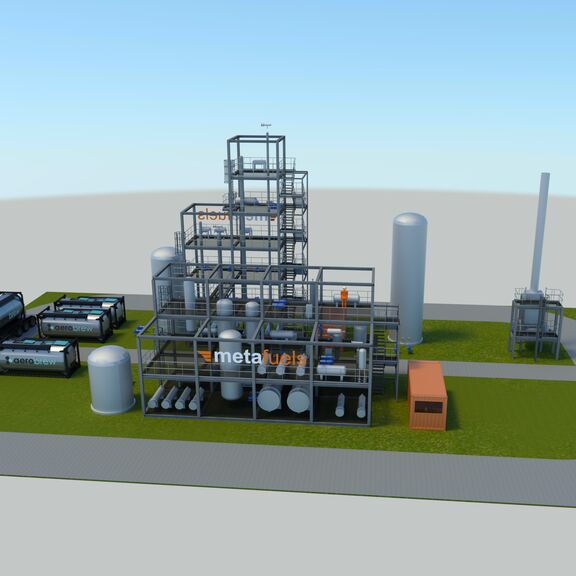
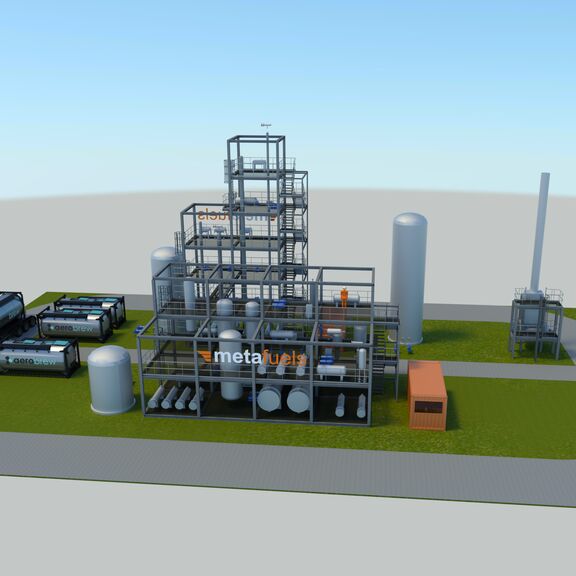
The selection of Rotterdam as the site for a groundbreaking circular olefins production facility marks a pivotal moment in the transition toward renewable chemical production in Europe. This electrified, 200-kilotonne Methanol-to-Olefins plant is not only set to reduce greenhouse gas emissions, but it also aims to transform the way the European chemical industry thinks about plastics and chemical feedstock. In this opinion editorial, we explore the opportunities, challenges, and implications of this ambitious project, ultimately arguing that many sectors—from industrial manufacturing to small business—will benefit from this innovative approach.
Building a Future-Resilient Chemical Industry
At its core, the project represents a robust commitment to establishing a future-resilient chemical industry. The use of renewable methanol, derived from mixed plastic waste, agricultural residues, and forestry byproducts, is an innovative twist on the traditional fossil-based processes. With a focus on producing fully circular ethylene and propylene, the facility will support not only plastics such as polyethylene, polypropylene, and polyvinyl chloride, but also usher in a new era of sustainable production practices.
What makes this project particularly exciting is the clear environmental benefit: by achieving life-cycle greenhouse gas emission reductions of over 80% compared to conventional production methods, it sets a high bar for sustainable manufacturing. The reduction in fossil-based inputs also serves as a key strategic turning point for a continent heavily reliant on oil and gas imports.
Electrified Methanol-to-Olefins Production: Embracing Renewable Methanol
One of the most innovative aspects of this initiative is the conversion technology involved in the Methanol-to-Olefins process. Here, Blue Circle Olefins introduces an electrified plant that converts renewable methanol into circular ethylene and propylene. This shift to an electrified process plays an essential role in reducing dependency on traditional, pollutant-heavy technologies.
By using an electrically driven process, the facility diminishes the tricky parts associated with fossil-based production. The emphasis on renewable methanol ensures that the process is far less intimidating in terms of its environmental impact, while providing a model for how industrial manufacturing can evolve in a rapidly changing energy landscape.
- Renewable methanol reduces the carbon footprint.
- Electrification cuts down on direct emissions.
- Production of key building blocks for plastics is made sustainable.
This shift is not solely about embracing cleaner methods; it is also about demonstrating that industries with heavy environmental footprints can reinvent themselves successfully with a focus on circularity and sustainability.
Decarbonisation Strategies: A Win-Win for Business and the Environment
Decarbonisation has emerged as one of the super important talking points in the global manufacturing and automotive sectors. As many companies are taking the wheel in trying to sort out their emissions, projects like the Rotterdam plant provide a clear blueprint for others to follow. The potential for reduced greenhouse gas emissions is vast – with levels dropping by over 80% compared to fossil-based processes.
This dramatic reduction not only helps in creating a cleaner environment but also bolsters the European drive for supply security and strategic autonomy. Medium-sized and small businesses stand to gain from such initiatives, as a more resilient supply chain means lower vulnerability to external shocks in energy and raw material markets.
Key benefits include:
- Environmental Improvement: Lower emissions contribute to combatting climate change.
- Economic Stability: Reduced dependence on oil and gas imports strengthens supply chains.
- Innovation Adoption: Businesses can invest in cleaner technologies with long-term benefits.
By addressing the nerve-racking issues associated with climate change and energy insecurity, this facility not only paves the way for scientific innovation but also opens up avenues that small businesses can leverage in their sustainability journeys.
Strategic Autonomy: Reducing European Dependence on Oil and Gas
One of the slower yet essential shifts parts of this project addresses is European strategic autonomy. By producing circular olefins from green methanol, the country embarks on a path to substantially reduce its dependence on oil and gas imports. This is especially significant in light of ongoing global geopolitical tensions and volatile markets that often make energy supply a complicated piece to manage.
Port Rotterdam’s role in this narrative is also crucial. Nico van Dooren, Director of New Business at the Port of Rotterdam Authority, underscored that this fully circular chemical feedstock production is in line with the authority’s objectives: establishing a climate-neutral, circular port that advances resilience, supply security, and strategic autonomy.
In more relatable terms, the project provides the region with a trustworthy alternative to conventional chemicals. It gives industries a reliable local source of raw materials – a turnaround from having to depend on unstable international oil markets.
Embracing Circular Economy Principles in Industrial Manufacturing
The facility at Port Rotterdam is a prime example of how industrial manufacturing can embrace the circular economy. In this system, waste is no longer seen as rubbish but rather as a resource that can be reprocessed into valuable inputs. The transformation of mixed plastic waste into renewable methanol and then into essential chemical building blocks represents a clever twist on the conventional production model.
There are several advantages to adopting a circular economy approach in the manufacturing sector:
- Resource Efficiency: Materials that would have been discarded are now part of a valuable production cycle.
- Waste Reduction: Waste streams are minimized by reintegrating byproducts back into production.
- Sustainable Value Creation: The economic model shifts from extraction to recovery, ensuring long-term viability.
This circular perspective is liberating for industries that have traditionally relied on a linear “take-make-dispose” model. By rethinking processes in this way, businesses can steer through not only the environmental challenges but also the economic ones that come with an ever-volatile global market.
Smart Integration of Renewable Resources: From Agricultural Residues to Forestry Byproducts
Renewable methanol is more than just a substitute for fossil-based inputs; it is a smart integration of various organic resources. The use of agricultural residues, forestry byproducts, and even mixed plastic waste highlights the potential to transform what is often seen as useless material into a substance with high economic and environmental value.
When considering these inputs, the project sheds light on several key aspects:
- Diversified Feedstock Sources: The methanol is derived from several waste streams, reducing over-reliance on any single source.
- Environmental Creativity: Turning waste into a valuable chemical feedstock underlines the innovative potential of the circular economy.
- Economic Efficiency: Utilizing waste products can lead to cost savings, a crucial factor for small and medium-sized enterprises.
The success of this strategy could serve as a beacon for similar projects across Europe, demonstrating that even the more intimidating environmental challenges have their own clever solutions. It is a prime example of how turning seemingly complicated bits of waste management into a positive outcome can help industries make their way toward a more sustainable future.
Overcoming the Tricky Parts of Transforming Traditional Processes
Any significant shift in industrial practice is bound to have some tangled issues and confusing bits along the way. In the case of this innovative Methanol-to-Olefins plant, several challenges must be addressed to ensure that the transition from fossil-based to renewable-based production is smooth. These include:
| Challenge | Solution Approach |
|---|---|
| Technology Adaptation | Investing in research and development to fine-tune the electrification process and enhance efficiency. |
| Infrastructure Overhaul | Updating and integrating modern facilities at the port to support renewable operations. |
| Supply Chain Management | Establishing reliable feedstock supply links with agricultural, forestry, and waste management partners. |
| Regulatory Compliance | Ensuring that all new processes meet stringent environmental and safety regulations. |
Though these challenges are off-putting at times, addressing them head-on is super important for the facility’s long-term success. By systematically working through these hurdles, the industry not only finds its path through technical and financial uncertainties but also establishes a robust framework that could serve as a model for future circular economy projects.
Small Businesses and the Local Economy: Benefits Beyond the Chemical Sector
The ripple effects of a successful circular olefins facility extend far beyond the chemical industry. Small businesses along the supply chain stand to benefit significantly from the increased demand for renewable inputs and streamlined processes. Local logistics companies, service providers, and even technology startups could find new opportunities as the facility pushes the boundaries of sustainable production.
Some possible impacts include:
- Job Creation: New roles in facility operations, maintenance, and supply chain coordination can invigorate the local workforce.
- Innovation Hubs: Academic and private research institutions may collaborate more closely with industry players, turning the region into a hub for clean technology innovation.
- Economic Diversification: Reducing dependence on imported fossil fuels can help stabilize local economies in times of global market volatility.
For local businesses, the new plant is not just an industrial project—it is a gateway to improved services, reduced energy costs, and a cleaner environment. By connecting the dots between industrial progress and community development, this project exemplifies how circular economy practices can yield broader social and economic benefits.
Environmental Impact: Reaping the Benefits of Drastic Greenhouse Gas Reductions
Perhaps the most critical takeaway from the Rotterdam facility is its potential to significantly lower greenhouse gas emissions. Traditional fossil-based production has long been riddled with tension due to its heavy environmental impact, but the new electrified plant could set a new standard for sustainability.
Key environmental benefits include:
- Lower Emissions: With an 80% reduction in life-cycle greenhouse gas emissions, the facility marks a quantum leap in sustainable production.
- Cleaner Air and Water: Reduced reliance on fossil fuels contributes to improved air and water quality, benefiting public health.
- Enhanced Global Reputation: Europe’s leadership in adopting sustainable chemical production can enhance its global standing in green technology.
This impressive reduction in emissions is not just a statistic; it represents a real-world solution to some of the most overwhelming ecological challenges of our time. Industrial leaders, policy makers, and environmental advocates alike can take note of how a bold, innovative project can positively transform environmental outcomes.
Innovation and Investment: Paving the Way for Future Technologies
Innovation in the chemical sector is not a new concept, but the integration of renewable resources into a traditionally fossil-based process is a fresh and exciting twist. This project forces industry players to get into new ways of thinking—ways that blend time-tested manufacturing know-how with the hidden complexities of advanced technology and renewable energy.
Investments in research and development have become super important in this realm. Some aspects attracting significant attention include:
- Electrification Technologies: Advances in electrified processes promise higher efficiency and lower emissions.
- Renewable Resource Integration: Finding innovative uses for agricultural residues and forestry byproducts.
- Digital Transformation: Implementing smart, data-driven systems that optimize production and monitor environmental impact in real time.
As companies dive in to refine and improve upon these technologies, the interplay between tradition and innovation becomes a focal point. It challenges established norms and encourages even the smallest players to explore creative ways to contribute to a sustainable, robust economy.
Opportunities for the Automotive and Electric Vehicles Sectors
The impact of this project is not limited to the chemical industry alone. With the automotive and electric vehicles sectors increasingly seeking sustainable solutions, the outputs from the Rotterdam facility provide a key strategic advantage. Clean chemicals and plastics serve as the backbone for many components used in the manufacturing of vehicles and batteries.
In what ways might the automotive sector benefit?
- Lightweight, Durable Materials: Circular olefins are essential in creating advanced polymers that reduce vehicle weight and enhance performance.
- Enhanced Sustainability Credentials: Automakers can bolster their green credentials by sourcing components made from renewable materials.
- Future-Proof Supply Chains: As the industry moves away from fossil-based inputs, partnerships with renewable chemical producers are increasingly seen as a competitive edge.
By aligning with the goals of sustainability in multiple sectors, the Rotterdam project creates a multi-dimensional network of benefits. Automotive manufacturers, technology innovators, and chemical producers each get a piece of a larger puzzle—one that promises a cleaner, greener future for multiple layers of industry.
Managing the Economic and Environmental Trade-offs
Undoubtedly, any transformative project comes with its own set of tricky parts and nerve-racking decisions on the economic front. The transition to renewable methanol-based production is not without its twists and turns, which make it critical to closely study and manage the trade-offs between economic gains and environmental improvements.
Let’s take a closer look at some of these trade-offs:
- Upfront Investment vs. Long-term Savings: While the initial investment can be high, the long-term savings from reduced reliance on fossil fuels and lower operating costs are expected to be substantial.
- Short-term Disruptions vs. Gradual Benefits: Transitioning from conventional production to a sustainable model may involve temporary setbacks or course corrections, but the overall outlook is optimistic.
- Economic Shifts vs. Environmental Gains: Managing a balance between maintaining competitiveness in the traditional market and pioneering new sustainable markets is key.
These factors illustrate a broader lesson in commercial innovation: change often requires embracing a period of adjustment. It is by carefully taking account of these fine points that businesses can figure a path toward a future where economic and environmental considerations work hand in hand.
Community and Global Implications: A Broader Perspective
While the principal narrative focuses on technological and industrial innovation, it is equally critical to acknowledge the wider social and global implications. The project not only sets the stage for a revitalized and sustainable local economy around Port Rotterdam but also serves as a potential model for other regions worldwide.
Some broader perspectives include:
- Global Leadership in Sustainability: Europe’s pioneering efforts in circular chemical production can inspire similar initiatives on a global scale.
- Community Benefits: The creation of jobs, the improvement of local infrastructures, and the potential for educational partnerships all help to uplift regional economies.
- Cross-Sector Collaboration: By linking up efforts between the chemical, automotive, and technology sectors, multi-industry collaborations can harness collective expertise to drive further innovations.
This project is a testament to the idea that sustainable progress is not achieved by isolated efforts but through coherent, community-driven actions that ripple outward to affect global trends.
Policy and Regulatory Considerations: A Roadmap for Future Projects
Implementing a venture as bold as the Rotterdam circular olefins facility necessitates a deep dive into policy and regulatory frameworks. The role of government and regulatory bodies is super important for clearing the way for such innovations. To streamline the process and ensure that all parties get around the complicated pieces and hidden complexities involved, a few key policy considerations must be prioritized:
- Incentivizing Green Investments: Offering tax incentives and subsidies can help bridge the gap between traditional and renewable industries.
- Streamlining Permits and Approvals: Developing a more efficient bureaucratic process to handle environmentally innovative projects will encourage more investment.
- Setting Robust Environmental Standards: Clear, enforceable standards ensure that new practices adhere to both safety and ecological guidelines.
- Collaborative Policy Making: Engaging industry stakeholders in policy formulation promotes transparency and shared responsibility.
In this context, policies that recognize the off-putting challenges of switching energy sources and production methodologies are key to stimulating broad industry acceptance. Ensuring that the rules neither stifle innovation nor allow environmental standards to slip requires a carefully balanced approach that prioritizes long-term benefit over immediate ease.
Future Outlook: Trends That Will Shape the Next Decade
Looking ahead, the implications of this new facility set in motion several trends that are expected to shape the next decade. These trends encompass technological advances, shifts in market dynamics, and a renewed focus on community-based, sustainable development. Here are some of the emerging themes we can expect to see:
- Electrification Across the Board: More industries are likely to adopt electrified processes, diminishing the carbon footprint of heavy manufacturing.
- Broader Adoption of Renewable Feedstocks: The success with renewable methanol at Rotterdam could pave the way for similar projects using various renewable inputs in different chemical production processes.
- Enhanced Supply Chain Resilience: As strategic autonomy becomes a priority, industries might focus on cultivating localized supply chains, cutting down on dependencies and reducing the likelihood of interruptions from global market swings.
- Cross-Sector Collaborations: Increased cooperation between industrial manufacturing, automotive, and technology sectors can drive innovation that spans multiple facets of the economy.
These trends represent a long-lasting transformation in how we conceive of industrial production. The project is not a one-off achievement—it is the opening chapter of a broader narrative where sustainability and industrial innovation are not mutually exclusive but are intertwined for mutual benefit.
Conclusion: Steering Through a New Era of Sustainable Manufacturing
The appointment of Port Rotterdam as the development site for a circular olefins production facility signals a major turning point for both the chemical industry and for the broader economy. By harnessing renewable methanol and embracing electrified production processes, this project addresses some of the most nerve-racking environmental and economic challenges of our time.
Not only does it promise reduced greenhouse gas emissions and a decreased reliance on fossil fuels, but it also lays the groundwork for future cross-sector benefits. From bolstering strategic autonomy and securing supply chains to sparking innovation in automotive and digital sectors, the new facility represents a blueprint for a cleaner, more resilient, and innovative European economy.
In a world often loaded with problems and riddled with tension, projects like these provide critical examples of how industries can take a closer look at their processes and find creative resolutions to even the most intimidating challenges. By effectively taking the wheel in managing your way through complex industrial transitions, the Rotterdam project stands as an inspiring testament to the power of human ingenuity and sustainable progress.
With forward-thinking policies, bolstered investment in green technologies, and an unwavering commitment to innovation, the future of industrial manufacturing looks decidedly brighter—and cleaner—than ever before. As we continue to figure a path through the many tricky parts of today’s market shifts, embracing circular processes offers a pathway to not just economic resilience but also a healthier planet for generations to come.
The success of this ambitious endeavor will serve as a litmus test, not just for the chemical industry, but for our broader commitment as a society to bridge the gap between economic growth and environmental responsibility. In embracing renewable resources and rethinking traditional production, we are given a glimpse of what the future could hold—a future where progress and sustainability walk hand in hand, delivering benefits to businesses, communities, and the planet alike.
By turning a new page in the story of chemical production, Rotterdam shows us that the integration of renewable energy in industrial manufacturing isn’t simply an idealistic dream—it is a pragmatic, forward-thinking solution. And as the facility gears up for operations in 2030, all eyes will be on Rotterdam to see how this bold experiment reshapes the landscape of modern industry, guiding us all toward a circular and sustainable tomorrow.
Originally Post From https://container-news.com/port-rotterdam-being-selected-for-circular-olefins-production-facility/
Read more about this topic at
BlueCircle – Olefins
Blue Circle Olefins chooses Rotterdam to build 100% …