Transforming West Virginia Roads with a Major I 79 Reconstruction and Paving Project
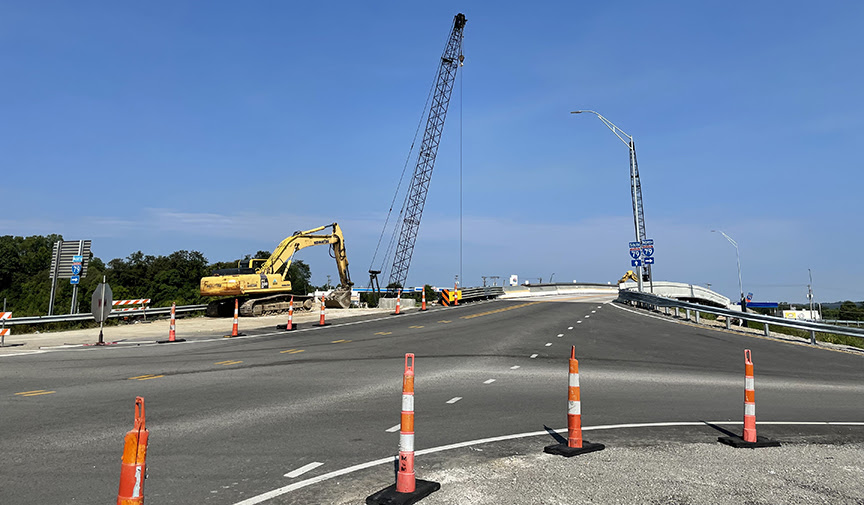
Revitalizing West Virginia’s Interstate Infrastructure: A Bold Step for I-79
The recent awarding of a contract to reconstruct and repave a critical six-lane segment of Interstate 79 from Anmoore to Saltwell Road has sparked a renewed conversation about the future of West Virginia’s transportation network. With an investment exceeding $19 million, this project is not simply about fixing a road—it is a statement about long-term safety, reduced maintenance expenses, and the economic benefits of modern infrastructure improvements.
In an environment where daily commuters and transport services depend on reliable roadways, the decision by the West Virginia Division of Highways (WVDOH) to invest in this crucial stretch of highway stands as evidence of a commitment to modernizing the state’s highway system. While many see this as just another contract award, a closer look reveals an intricate interplay of factors, tricky parts, and a host of expected outcomes that will affect local economies, safety standards, and contractor performance for years to come.
Understanding the Project’s Scope and Its Impact on Local Communities
This reconstruction project is far more than repaving an 8-mile span. It addresses persistent drainage issues on I-79 that have led to water pooling, causing heavy wear and tear on the pavement. In fact, as WVDOH District 4 Manager Earl Gaskins noted, this section of highway has required repeated patching over the past year alone. In many ways, the project is a response to years of accumulated problems that have created a series of tricky parts for both the state’s budget and its motorists.
The local communities spanning from Anmoore to the vicinity of Saltwell Road expect safety, and they demand reliability in their daily commute. A revamped roadway not only promises a smoother driving experience but also translates into direct economic benefits. Reduced maintenance means less governmental spending over time, freeing up resources for other pressing needs. This is especially critical in underserved regions where every dollar saved can be redirected to support schools, healthcare, or additional road safety projects.
Evaluating the Broader Economic Benefits
Beyond the immediate improvement in travel safety and road quality, investing in large-scale infrastructure projects has a ripple effect on the state’s economy. The contract awarded to Mountaineer Contractors Inc. for over $19 million highlights several key benefits:
- Job Creation: Spending on such projects stimulates local employment in both skilled and semi-skilled roles, offering work to local residents.
- Economic Multiplier Effects: The influx of contractor personnel, materials, and auxiliary services leads to growth in sectors such as hospitality, retail, and logistics.
- Long-Term Savings: With a reduction in the frequency of repairs required once the project is complete, there’s a notable decrease in the state’s recurring maintenance costs.
- Enhanced Transportation Efficiency: Better road conditions translate into fewer accidents and reduced delays, thereby boosting overall productivity on the move.
These benefits are intertwined with the project’s core aim of addressing tricky parts of the highway system—issues that had left many drivers and local communities feeling frustrated over the repeated patching and short-term fixes that did little to alleviate the fundamental problems.
Navigating the Approval Process: A Closer Look at Bid Considerations
One of the most interesting aspects of the WVDOH project is the rigorous bid evaluation process, where several factors are weighed before awarding a contract. This is a process loaded with problems yet designed to ensure that the best value is achieved while fulfilling critical regional needs. The criteria include:
- Comparing bids to the WVDOH Engineer’s Estimate
- Reviewing the percentage by which a bid may exceed or fall below the initial estimate
- Assessing project urgency and need, ensuring that any identified additional funding sources align with priorities
- Evaluating the contractors’ capabilities to handle the super challenging drainage and paving specifications associated with the project
This process, though occasionally seen as intimidating, is essential for ensuring that taxpayer dollars are allocated efficiently. It serves as a check against overblown proposals while ensuring that financial feasibility and public need are balanced in the awarding of contracts. In doing so, the state manages to steer through both financial and operational twists and turns, delivering projects that offer both durability and improved user safety.
Lessons from Past Maintenance and Repair Efforts on I-79
The decision to embark on a reconstruction project comes on the heels of numerous temporary fixes that have proven to be just that—temporary. For years, patching, repaving, and drainage repairs were the common responses to recurring problems on this stretch of roadway. However, these short-term fixes have not addressed some of the underlying issues that lead to rapid deterioration of the pavement.
Local authorities have noted how repeated patching over the past year alone is symptomatic of a more significant problem—a road that is in dire need of a comprehensive rebuild rather than intermittent repairs. In many respects, this project represents the state’s determination to tackle these confusing bits head-on, with a long-term strategy designed to ensure that such maintenance challenges do not recur every few months.
Understanding the Importance of Effective Drainage Solutions
One of the root causes of the deterioration on I-79 has been the problematic drainage system. Water pooling on the roadway has accelerated the degradation of the pavement, necessitating frequent, expensive, and temporary repairs. The new contract includes a thorough overhaul of the drainage system—a move that should ultimately reduce the frequency of such maintenance interventions.
A well-designed drainage system is not just an accessory to a well-paved road; it is an essential, key component that protects the integrity of the pavement for years to come. By investing in drainage solutions that address the little details, the WVDOH is setting a precedent for similar projects across the state, where long-term performance and driver safety take precedence over short-term fixes.
Expanding the Focus: A Statewide Perspective on Infrastructure Revitalization
While the I-79 project naturally draws attention because of its immediate visibility and impact, it is only one in a series of 19 construction projects awarded from the same bid letting process. These efforts cover a broad spectrum of infrastructure needs, ranging from bridge repairs and repaving to signage and lighting upgrades. This broader strategy is indicative of a comprehensive approach to addressing the state’s transportation challenges.
The variety of contracts—for instance, from a $782,757 cleaning and painting of the Pisgah Overpass Bridge, to a $20 million project for the New River Gorge Bridge—illustrates a well-rounded strategy targeting multiple aspects of road safety and efficiency. Each project, whether it involves a bridge rehabilitation or a sign renovation, contributes to forging a network that is not only safer but also more economically viable in the long run.
Assessing the Role of Contracting Firms in Modern Infrastructure
It is essential to recognize the significant role played by the contracting firms involved in these projects. Firms like Mountaineer Contractors Inc., which secured the lucrative I-79 reconstruction contract, are operating under intense public scrutiny. Their tasks are not only technical but are also highly visible to the communities that rely on these roads every day.
Contracting firms must manage complicated pieces of work that require understanding both the visible aspects of construction and the hidden complexities of subterranean drainage systems, structural integrity, and long-term sustainability. Their ability to successfully complete these projects directly affects public perceptions of government efficiency and the state’s commitment to responsible fiscal management.
Side-by-Side Comparison of Multiple Infrastructure Projects
Looking at the array of projects recently awarded provides insight into the diverse challenges faced by the WVDOH and how each project is uniquely tailored to meet those challenges. Consider the following table that highlights some of the key projects and their financial commitments:
| Project Description | Contractor | Bid Amount | County |
|---|---|---|---|
| Reconstruction, drainage, and paving on I-79 (Anmoore to Saltwell Road) | Mountaineer Contractors Inc. | $19,093,094.23 | District 4 Area |
| Cleaning and painting on Pisgah Overpass Bridge | Kalymnos Bridge Painting LLC | $782,757.50 | Mercer County |
| Paving on WV 62 from New Haven to Longdale | BTI Contracting Inc. | $1,231,568.47 | Mason County |
| Paving, drainage, and pavement repair on US 19, WV 20, and connectors | Bear Contracting LLC | $2,048,920.10 | Harrison County |
| J.F. Allen Company was instrumental for WV 32 paving project | J.F. Allen Company | $595,775.05 | Tucker County |
Such a variety of projects indicates that the state is fully engaged in the process of sorting out a myriad of transportation issues. In each instance, the chosen contractor must prove they can handle both the obvious challenges and the hidden, nerve-racking twists and turns that come with large-scale improvements.
Public Safety and Reduced Maintenance: Long-Term Benefits
At its core, the reconstruction and repaving of I-79 is about more than just fixing a defective road—it is a strategic initiative to enhance public safety and lower long-term maintenance costs. The current state of the road, marred by water pooling and repetitive patching, poses a substantial risk to drivers. Each instance of pooling water increases the likelihood of hydroplaning and accidents during adverse weather conditions.
By addressing the drainage issues head-on, the project is expected to yield benefits such as:
- Improved Road Grip: A better pavement surface offers enhanced traction, particularly during rainy weather.
- Extended Lifespan: Effective drainage prevents premature deterioration of the road, reducing the need for frequent interventions.
- Cost Savings: With fewer emergency repairs and routine maintenance stops, the state can allocate resources more efficiently elsewhere.
- Driver Confidence: Safer road conditions contribute to reduced accident rates and increased public trust in state-run infrastructure projects.
These long-term benefits underscore the importance of viewing infrastructure projects as critical investments that yield returns in public safety, economic efficiency, and community well-being.
Contract Award Process: Balancing Cost, Quality, and Urgency
The process of awarding contracts for such projects is a careful balancing act. Officials must consider whether a bid falls above or below the WVDOH Engineer’s Estimate, and if it deviates, they must determine whether the reasons for the higher estimate are adequately justified. Often, the state must consider pressing project needs that might compel them to accept a bid that is slightly above the original estimate.
This kind of decision-making is not for the faint-hearted. Instead, it demands an organized review where every small distinction in the bid—every little twist in the numbers—is carefully weighed against considerations such as:
- Urgency of the upgrade
- Availability of alternative funding sources
- Potential long-term implications if the project is delayed or compromised
The process, while nerve-racking, is designed to ensure that the selected project is constructed with both short-term feasibility and long-term sustainability in mind. The WVDOH’s ability to make these choices effectively is a testament to its commitment to getting around tricky parts and complicated pieces in the world of public works.
Bridging the Gap Between Immediate Needs and Future Prospects
The I-79 project symbolizes a broader trend toward bridging the gap between immediate infrastructure challenges and forward-thinking planning. Instead of resorting to makeshift solutions and quick fixes, policy makers are now on the lookout for integrated strategies that promise lasting results. This is particularly vital in a state where economic opportunities are intertwined with physical connectivity and the quality of road networks.
For local businesses, a well-maintained highway is similar to a lifeline. Reliable transportation allows for the efficient movement of goods and people, which in turn fuels local commerce. Small businesses, in particular, rely on such infrastructures to connect with suppliers, customers, and regional markets. In light of this, the significance of projects such as I-79 reconstruction becomes even more apparent.
Project Implementation: What to Expect in the Coming Months
As the contract moves forward, many in the community and industry are eager to see how the project will unfold. Mountaineer Contractors Inc. bears the responsibility of executing the plan to reconstruct an 8-mile stretch of one of the state’s most critical roads. Key expectations include:
- Timely Completion: Given the current state of the roadway, time is of the essence. Any delays could prolong the safety risks and maintenance issues already plaguing I-79.
- Quality of Workmanship: With recent history marked by repeated patching, there is a strong emphasis on ensuring that the work performed is durable and meets high standards.
- Enhanced Drainage Systems: A new, well-integrated drainage system is one of the primary goals. This should help minimize water pooling and reduce long-term wear on the pavement.
- Coordination with Local Agencies: Successful implementation relies on effective communication and coordination between contractors, state agencies, and local communities.
Local officials have expressed confidence in the chosen contractor’s ability to deliver a robust solution that mitigates past issues and ensures that the highway remains functional under various weather conditions. While the project may initially appear overwhelming due to the numerous challenges involved, its long-term advantages justify the nerve-racking steps now being taken.
Local Perspectives: The Community Speaks Out
For residents along I-79, the frequent need for repairs has long been more than just an inconvenience—it has been a source of daily frustration and economic disruption. Local business owners, truck drivers, and daily commuters have shared mixed feelings about ongoing repairs. Many now hope that this comprehensive reconstruction will be the turning point that stabilizes the road conditions for future generations.
Community forums and local social media groups have witnessed lively debates on the merits of investing in such substantial projects. The concerns raised often focus on the temporary disruptions caused by construction activities, but these are generally outweighed by the promise of a final product that will not only be safer but will also reduce the frequency of disruptive maintenance in the long run.
From a broader perspective, it’s clear that the community’s trust in public works is built on a history of reactive fixes rather than proactive investments. The I-79 reconstruction, therefore, represents a strategic shift: an opportunity to build trust by addressing long-standing issues with enduring solutions.
Bridging Public Policy and Practical Infrastructure Challenges
The decision by the WVDOH to award such significant contracts points to a deliberate strategy that links public policy with practical infrastructure challenges. This approach involves managing your way through not only the visible issues of road wear and tear but also the hidden complexities that often contribute to ongoing maintenance problems.
Policy makers have now recognized that successful infrastructure investment is a balancing act. They must work through tight budgets, complicated pieces of bureaucratic accountability, and the immediate pressures of public safety while also planning for future economic growth. This is where the project’s strategy of targeting both short-term repairs and long-term durability intersects, offering a holistic approach that promises robust improvements to the state’s roads.
Key Takeaways and Future Outlook
As the I-79 reconstruction project and the accompanying array of 19 construction initiatives take shape, several key takeaways emerge that are meaningful not just for West Virginia but for other regions facing similar challenges:
- Proactive Investment: Investing in comprehensive projects that target both surface issues and underlying drainage problems can significantly reduce maintenance hassles.
- Community Benefits: Reliable, safe highways boost local economies by reducing travel disruptions and enhancing commerce.
- Contractor Accountability: Transparent and rigorous bid processes help ensure that constructed projects meet high quality and safety standards.
- Long-Term Planning: By addressing both immediate needs and future challenges, states can craft lasting solutions that serve communities for decades.
Moving forward, it is anticipated that projects like the I-79 reconstruction will serve as models for future infrastructure undertakings. Decision makers, contractors, and community leaders must all work together to find your way through the tangled issues that arise with every large-scale public works project. It is only through such dedicated collaboration that states can achieve the dual objectives of economic efficiency and enhanced public safety.
Integrating Contractual Processes with Broader Economic Goals
The awarding of the contract to Mountaineer Contractors Inc. is a clear indication that the state is willing to invest significant funds in transformative projects, even when the bid amounts appear considerable. In doing so, they signal to investors and local businesses alike that the government understands the small, yet critical, twists that can make a big difference in transportation infrastructure.
This perspective is supported by widespread discussions in industry circles, where the focus has shifted from mere cost-cutting to achieving quality outcomes that can withstand the nerve-racking demands of daily use. A well-planned reconstruction not only alleviates the immediate hazards faced by drivers but also enhances the overall economic landscape by reducing the frequency of disruptive repairs.
In effect, these projects become more than just construction contracts—they evolve into essential components of a broader economic strategy, linking improved infrastructure with increased confidence among investors, business owners, and the traveling public.
Long-Term Vision Versus Short-Term Solutions
One of the key debates in public infrastructure investment is the balance between long-term visions and short-term solutions. Many past projects have focused on quick fixes that, while alleviating immediate issues, fail to address the root causes. The I-79 project challenges that paradigm by incorporating a comprehensive plan that addresses both the surface and the underlying drainage systems.
For many community members, this represents a welcome change. The frustration of having to endure constant road maintenance, which disrupts traffic patterns and daily routines, can now be replaced with a vision of robust, reliable infrastructure. Instead of dealing with a cycle of repairs, residents are now hopeful for a future where such challenges are minimized through a well-executed, long-term plan.
Managing Confusing Bits Through Best Practices in Contracting
From a contractor’s perspective, projects like these offer a challenging yet rewarding landscape. The evaluation process and subsequent contract award force companies to get into every fine shade of detail—from the design of drainage systems to the selection of durable materials. This hands-on management of numerous small twists requires not only technical expertise but also a deep understanding of ground-level challenges that may not be immediately visible.
Contractors who are awarded these projects must prove they can handle both the obvious structural issues and the confusing bits that might arise during construction. This requires a strategic blend of technical know-how, efficient project management, and a readiness to tackle the nerve-racking aspects of large-scale repairs. It is through this comprehensive approach that contractors build their reputations and, ultimately, contribute to the improved safety and reliability of the state’s road networks.
Strengthening Public Trust Through Transparent Processes
The rigorous bid letting and evaluation process itself plays a key role in building public trust. When local communities see that every bid is scrutinized against a detailed Engineer’s Estimate and that even bids slightly above this estimate are carefully justified, it reinforces the credibility of the state’s investment strategies.
Transparency in public works is essential for ensuring that all stakeholders—ranging from taxpayer groups to local businesses—feel confident about how funds are being utilized. In an era where public funds are heavily scrutinized, the WVDOH’s approach to awarding contracts sets a positive example of how to take a closer look at each part of a project without letting cost overruns or unforeseen problems derail overall goals.
Conclusion: A Step Toward a Safer, More Economically Resilient Future
In summary, the recent contract award for the I-79 reconstruction and repaving project is not merely an isolated infrastructure event—it is a significant milestone that reflects West Virginia’s commitment to tackling both immediate highway safety issues and longer-term economic challenges. By confronting the water drainage problems that have plagued this stretch of road and addressing the recurring cycles of temporary repairs, state officials have paved the way for a more reliable and efficient transportation corridor.
For communities along I-79 and beyond, the project promises increased safety, reduced long-term maintenance costs, and enhanced opportunities for economic growth. It is an investment that harnesses the potential of modern construction techniques, proven contractor expertise, and a transparent validation process to create an enduring asset for the state.
The many projects recently awarded by WVDOH, ranging from bridge rehabilitation to roadside signage improvements, all collectively signify a broader, comprehensive effort to elevate transportation infrastructure standards statewide. Through projects like these, state officials are not only making immediate strides to fix tricky parts and confusing bits of their highways but also laying down a roadmap for future investments that can sustainably support economic vitality and public safety.
As stakeholders—ranging from everyday drivers and small business owners to large industrial entities—watch these projects unfold, there is a shared hope that these efforts will yield long-lasting benefits. The challenge now lies in ensuring timely project completion, maintaining high construction standards, and managing any nerve-racking unforeseen complications along the way.
Ultimately, the story of I-79’s transformation is one of proactive planning, collaborative effort, and a steadfast commitment to rethinking how infrastructure investments can serve both current needs and future prospects. In this crucial time, this project stands as a testament to what is possible when state leadership, expert contractors, and community stakeholders join hands to steer through the tangled issues of modern public works, ensuring a safer and more economically resilient future for all.
Originally Post From https://transportation.wv.gov/communications/PressRelease/Pages/WVDOH_awards_contract_for_I79_reconstruction_paving.aspx
Read more about this topic at
Governor Patrick Morrisey Announces New Agenda to Better …
Corridor H – WV Department of Transportation