Bechtel Advances Energy Future with Massive Six Point Seven Billion LNG Initiative

Building the Future: An Opinion on the $6.7 Billion LNG Project
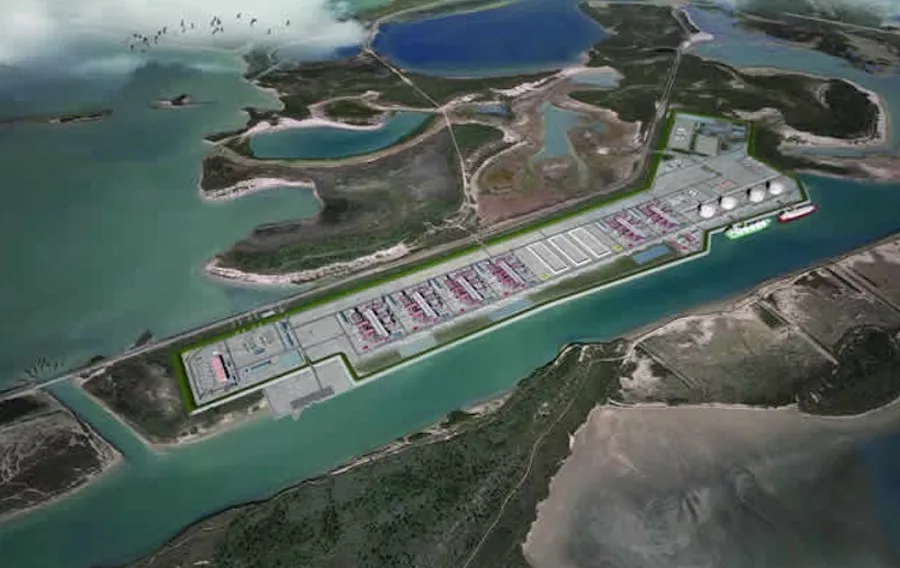
In today’s fast-moving energy landscape, the decision to green light a $6.7 billion liquefied natural gas (LNG) project at the Rio Grande LNG Facility in Brownsville, Texas, is sending ripples through the industries of energy, manufacturing, and infrastructure. The recent financial close on Train 4 by NextDecade, with its extensive contracts and commitments involving heavy hitters like Bechtel, signals a renewed appetite for major energy investments in a time when clean energy trends and traditional fuel sources are both in the spotlight.
This editorial examines the multiple angles of this complex decision, connecting not only the dots within the energy and infrastructure sectors but also exploring the implications for small business development, industrial manufacturing, automotive trends, electric vehicles, business tax laws, economic news, and marketing strategies. We will be taking a closer look at the many small distinctions and subtle parts that make this project significant, offering an expansive perspective on what it means for various stakeholders.
Understanding the LNG Landscape
The LNG industry has long been a cornerstone of the energy sector, and decisions like those taken at Rio Grande LNG are anything but straightforward. In recent years, the global demand for natural gas has surged, driven by the search for cleaner-burning alternatives to coal and oil. LNG projects, owing to their massive scale and technical challenges, involve a range of tricky parts and tangled issues. In this risky arena, the recent developments present both an opportunity and a challenge.
For decades, LNG has been used to power industries and households, but with the rise of renewable energy sources, the role of LNG is under closer scrutiny. There are several reasons for this:
- It offers a cleaner combustion option compared to coal and oil.
- The production phase is intertwined with significant environmental oversight.
- The technology required is highly advanced and requires a multi-faceted supply chain.
At the same time, huge investments—running into billions of dollars—demonstrate the market’s belief in LNG’s future. But such investments invariably bring up questions regarding environmental impacts, regulatory processes, and operational risks that are equally intimidating and overwhelming.
Key Developments in the Rio Grande LNG Project
The Rio Grande LNG Facility, which faced a setback last year when an appeals court overturned the Federal Energy Regulatory Commission’s (FERC) earlier authorization, is now on track following regulatory reversals. This reversal, which restored confidence in the project’s feasibility, came just as NextDecade opted for a final investment decision on Train 4. With a projected LNG production capacity of around 6 million tons per annum (MTPA) for Train 4 and an overall construction target of about 24 MTPA, significant opportunities and challenges await.
Bechtel, a major player in construction with an impressive track record, is set to lead the construction efforts for Train 4. Their contract, which amounts to approximately $4.77 billion, highlights the critical role that seasoned construction firms play in steering through the pitfalls of large-scale infrastructure projects. Notably, Bechtel is not limited to Train 4; they have been tapped for additional work on Train 5, a contract worth another $4.32 billion, reflecting the comprehensive scope of this venture.
The Role of Regulatory Changes and Legal Tussles
Legal and regulatory shifts can turn even the most promising projects into nerve-racking endeavors. In the case of the Rio Grande LNG Facility, a tumultuous period of legal disputes culminated in regulatory clarifications that now pave the way for full-scale construction. One must consider the following legal twists and turns:
- The initial appeals court decision that derailed the project.
- The subsequent reversal by the U.S. Court of Appeals for the District of Columbia Circuit in March 2025.
- Ongoing changes in federal permitting processes aimed at embracing technology.
These factors underscore the tangled issues faced by companies working within the regulatory framework. For stakeholders, from investors to local communities, understanding these subtle parts of the regulatory landscape is essential, as each decision and reversal can have lasting impacts on timelines, costs, and even market perceptions.
Economic Implications for Local and Global Markets
The financial close on Train 4 is not just a win for NextDecade and Bechtel; it’s an endorsement of confidence in the LNG market. The broader economic implications are significant:
| Aspect | Impact |
|---|---|
| Local Economy | Job creation, local supplier contracts, and increased regional investment. |
| National Energy Policy | Bolsters energy security and balances the portfolio between renewable sources and fossil fuels. |
| Global Markets | Enhances the U.S. position in LNG exports, impacting global energy trade dynamics. |
Investors and policymakers alike have closely watched recent developments. With the right alignment of regulatory support and market demand, LNG projects such as Rio Grande LNG can serve as megaprojects that catalyze further investments in energy infrastructure. However, the economic landscape remains full of problems that require agile policymakers and experienced business leaders to figure a path through the maze of market fluctuations and changing consumer trends.
Technical Considerations and Operational Challenges
From an engineering standpoint, large LNG projects are loaded with little details and hidden complexities that require in-depth technical know-how. The construction of Train 4, with an estimated cost of $6.7 billion, involves a myriad of tricky parts, including:
- The integration of advanced technological systems to ensure operational efficiency.
- Strict safety protocols that must be maintained throughout the construction and operational phases.
- Environmental impact assessments that require constant monitoring and adjustment.
Bechtel’s role in executing these elements is integral. Their contract for Train 4 not only encompasses the construction itself but also involves coordination with multiple stakeholders, ensuring that each fine point of the project is meticulously managed. Such projects have many slight differences within their technical design aspects that, if overlooked, can cause delays or safety concerns.
Market Dynamics: LNG Among Competing Energy Sources
The LNG market competes on multiple fronts—not only with renewable energy sources like wind and solar but also with emerging technologies such as electric vehicles (EVs) and battery storage systems. In the broader context of industrial manufacturing and automotive innovation, businesses are increasingly tasked with evaluating a shifting energy matrix. The LNG project in Texas reflects this balancing act:
- Renewable energy sources are gaining traction as global concerns about climate change intensify.
- LNG remains a contender by providing a reliable and relatively cleaner-burning alternative.
- The interdependencies between traditional and emerging energy sources create a dynamic in which companies must constantly poke around for better efficiency solutions.
As automotive manufacturers and EV producers innovate rapidly, LNG-powered generators and backup systems remain critical in supporting grid stability and heavy industrial operations. This intersection of technology and energy production calls for marketing strategies that emphasize both the safety and reliability of LNG alongside advances in green technology.
Constructing Business Tax and Regulatory Benefits
Large-scale projects like the Rio Grande LNG Facility carry not only environmental and market significance but also bring about crucial considerations related to business tax laws and regulatory incentives. In many states, infrastructure projects are designed to kickstart local investment by offering tax incentives, credits, and other financial benefits aimed at attracting both job creation and further industrial development.
The interplay of corporate taxes, local government incentives, and federal support plays a super important role in determining whether such projects can stay afloat during economic downturns or regulatory challenges. The LNG project’s progress, following a robust final investment decision and financial closing, illustrates the critical balance between regulatory oversight and industry-driven growth.
This balance is also noteworthy for small businesses that supply the construction sites, provide technical services, or even cater to ancillary industries. When big projects roll out, a whole ecosystem benefits, allowing local enterprises the opportunity to figure a path in a thriving economy.
Marketing the Energy Evolution: Strategies and Opportunities
From a marketing perspective, the LNG project serves as a prime example of how legacy industries can revamp their narrative in a time of change. With vast sums invested and promising production capacities, energy companies must develop campaigns that resonate with increasingly eco-aware consumers and investors. Here are a few key marketing strategies worth noting:
- Storytelling: Emphasize the project’s journey from legal setbacks to regulatory triumphs. This narrative helps frame the investment as a story of perseverance and reliability.
- Transparency: Share the details—including the technical specifics, environmental commitments, and economic benefits—to build trust with the public and investors alike.
- Integration of Technological Advances: Highlight efforts to integrate digital permitting processes and safety technologies to reassure audiences of the project’s modernized approach.
- Community Engagement: Foster local partnerships and showcase how the project contributes to job creation and regional economic growth.
These marketing tactics are essential in managing public perceptions and aligning the project’s goals with broader sustainability and economic objectives. Companies like NextDecade and Bechtel must work together to not only build infrastructure but also cultivate a positive brand narrative that underscores responsibility, resilience, and readiness for future energy demands.
Environmental Considerations and Community Impact
One cannot discuss an LNG project in today’s context without considering environmental impacts. The Rio Grande LNG Facility’s recent progression was supported by measures addressing environmental safety and compliance. However, even with rigorous scrutiny, there remain subtle parts that merit deeper discussion:
- Local Ecosystems: Ensuring that construction and operational phases protect local wetlands and wildlife.
- Emission Reductions: While LNG burns cleaner than other fossil fuels, it is still essential to reduce carbon footprints through innovative technologies and offsets.
- Community Health: Addressing concerns related to air quality and noise during construction phases.
Community engagement becomes a key element in mitigating these concerns. Local governments and project managers need to communicate openly with residents, explaining both the economic benefits and the steps taken to protect the environment. This approach helps build a narrative where development and environmental stewardship coexist—a narrative that is simultaneously reassuring to investors and vital for long-term sustainability.
A Broader Perspective: Implications for Small Business and Industrial Manufacturing
The massive LNG project is not an isolated phenomenon; its reverberations are felt across many areas of economic activity, including small business operations and industrial manufacturing. The following points shine a light on how this project can impact various sectors:
- Job Creation: The substantial capital outlay and ongoing operational needs create opportunities for local businesses and suppliers.
- Innovation in Manufacturing: Collaboration between large firms and small manufacturing companies can lead to the development of new technologies and processes that enhance productivity and competitiveness.
- Infrastructure Upgrades: Associated projects, such as transportation improvements and utility expansions, fuel additional investment in the area.
- Boost to Local Tax Revenues: Increased business activities directly contribute to local government budgets, potentially leading to improved public services and infrastructure.
In industrial manufacturing, companies may find themselves both as direct suppliers for major projects and as innovators driven to develop supporting technologies. For instance, enhanced safety protocols and automated processes developed during LNG construction might be adapted for use in other sectors, including automotive and maintenance for electric vehicles. These outgrowths of innovation have the tangible potential to spur further economic diversification and job creation.
Bridging the Gap: How Infrastructure Projects Spur Technological Advancements
The LNG project underscores the convergence of traditional energy infrastructure with modern technological enhancements. It is a prime opportunity to witness how established industries integrate cutting-edge technology to manage challenging parts while mitigating risks associated with large investments. The project highlights several innovative practices:
- Digital Permitting and Monitoring: The government’s push for technology-enhanced regulatory processes has led to faster permitting, real-time monitoring of construction activities, and increased transparency, which benefits the project and public trust.
- Advanced Safety Systems: Incorporating digital safety and monitoring systems reduces the risk of mishaps and ensures compliance with environmental and workplace norms.
- Communication and Data Sharing: Using integrated data platforms allows different project partners—from contractors like Bechtel to local regulators—to share real-time updates, thereby ensuring smooth coordination.
For technology partners and industrial manufacturers, such opportunities represent the perfect chance to showcase the practical advantages of innovation. The lessons learned here extend to numerous sectors where digital transformation and advanced manufacturing techniques are becoming essential to staying competitive.
Looking Ahead: The Future of Energy and Infrastructure Development
As the Rio Grande LNG project progresses, its legacy will likely influence future policy decisions, technology deployments, and investment strategies across the nation. With additional phases, such as the anticipated commercialization of Train 5 and Phase 1 of the plant expected to command a further $12 billion, we are witnessing a renaissance in energy infrastructure that blends the old with the new.
In a time when the world is balancing the tightrope between traditional fossil fuels and renewable energies, projects like these provide an important reminder that energy diversity is critical. The LNG industry’s ability to attract massive investments, streamline operations with modern technology, and secure regulatory approvals despite numerous legal challenges is a testament to the unwavering resilience and ingenuity found within this sector.
Looking at the macro economic picture, the ripple effects of such projects are widespread: from stimulating local economies and boosting small business supplier networks to stimulating advancements in industrial manufacturing and playing a key role in the automotive and electric vehicle sectors. It proves to businesses and policymakers alike that even in the presence of intimidating obstacles and complicated pieces, there are moments when calculated risks evolve into significant opportunities.
Multi-Dimensional Impact on Business Tax Laws and Economic Policies
In addition to operational and environmental achievements, mega-projects like the Rio Grande LNG Facility set off a chain reaction in terms of business tax laws and economic policies. Government bodies at various levels are often quick to adapt or introduce tax incentives and regulatory adjustments when such significant investments come to life. Here are some ways how this project intertwines with economic policies:
- Incentive Programs: State and federal governments may offer tax breaks, credits, and accelerated depreciation on capital expenditures, making investments in large infrastructure projects more attractive.
- Policy Adjustments: Changes to the National Environmental Policy Act (NEPA) and the broader permitting landscape help reduce bureaucratic delays, allowing companies to make their way through tricky regulatory environments more efficiently.
- Community Investment Initiatives: Economic policies may be tailored to ensure that local communities benefit directly, whether through improved public infrastructure or community development programs.
From a small business perspective, these policies can foster a more supportive environment for local suppliers and service providers. As the project moves forward, the economic strategies associated with large-scale infrastructure investments serve as a crucial lesson for how business law and strategic planning can converge to create mutually beneficial outcomes.
Lessons from the Construction and Energy Sectors
When examining a project of this magnitude, various lessons emerge that are applicable to both the construction industry and the energy sector at large. These lessons offer guidance on how to approach future projects amidst tense regulatory atmospheres and unpredictable market conditions. Some of the key takeaways include:
- Embrace Flexibility: No matter how ironclad a project might seem at its inception, the twists and turns of legal and regulatory processes require companies to stay nimble and ready to adapt.
- Maintain Transparent Communication: Both with stakeholders and the public, open channels of communication are essential to managing small distinctions and ensuring sustained trust.
- Invest in Innovation: Advanced technology—from digital safety monitoring to permitting platforms—can help to streamline operations and reduce the nerve-racking impact of unavoidable complications.
- Learn from Past Setbacks: For every legal or operational hurdle faced, there is a golden opportunity to refine strategies and approaches, ensuring that future projects are even more robust and responsive.
In an environment where every decision is loaded with potential implications—from tax policies to local community impact—the ability to work through intricate and sometimes overwhelming challenges is what sets successful projects apart from those that falter.
Perspectives from the Field: Voices of Industry Experts
Interviews with industry experts involved in the LNG sector reveal a diverse range of opinions about the project at Brownsville. Many note that while the journey has been riddled with tension and confusing bits, the eventual financial close is a significant milestone. Experts share several clear impressions:
- Many applaud the regulatory turnaround, viewing it as a demonstration of the government’s willingness to take a stand for large energy projects.
- A number of peers in industrial manufacturing see the project as a clear signal that even in times of transition, traditional energy sources continue to play a key role in national security and economic stability.
- Some marketing experts point out that the project’s success is largely dependent on how effectively its story is communicated to the public, blending the narrative of technological innovation and economic opportunity.
The common refrain among these voices is that while the path to project completion is filled with intimidating hurdles and nerve-racking decisions, the long-term benefits—ranging from solid economic growth to technological breakthroughs—will likely outweigh the initial challenges.
The Ripple Effects: From Local Communities to Global Markets
The substantial investments tied to the LNG project have far-reaching impacts. At a local level, construction and operational phases bring about job creation, auxiliary business growth, and a general uplift in the regional economy. For global markets, the ramp-up of LNG production capacity is a powerful indicator that the United States is poised to become a more significant player in international energy markets.
For smaller companies, the project signals opportunities to procure specialized services, from supply chain enhancement to technological upgrades. At the same time, local governments may see the fiscal benefits derived from increased taxes and community investments. This multi-dimensional impact reinforces the idea that while projects like Train 4 and Train 5 involve numerous tangled issues, they also create avenues for substantial economic and technological progress.
Integrating Tech Advances with Traditional Energy Models
One of the most striking aspects of the Rio Grande LNG project is the integration of modern digital solutions with established energy models. Government mandates that encourage the use of technology to ease the permitting process have not only streamlined operations but have also set a benchmark for future projects. This integration touches on several critical milestones:
- Digital Transformation: The implementation of cutting-edge software in project management and regulatory compliance.
- Real-Time Monitoring: Where sensors and analytics provide instant feedback, reducing the likelihood of mishandling complex construction operations.
- Enhanced Efficiency: Digital tools that help optimize the supply chain, reduce delay factors, and manage energy outputs more dynamically.
These transformations are not only a boon to the energy sector but also a vital piece of the puzzle for industries like construction, automotive, and electric vehicles. Businesses operating within these sectors must be prepared to work through the tricky parts of modern technological integration while maintaining the steady, reliable performance of legacy systems.
Balancing Economic Growth with Sustainable Development
Undoubtedly, one of the central debates in today’s energy sector is how to balance rapid economic growth with the increasing need for sustainable development. The LNG project at Brownsville is emblematic of this challenge. It promises significant economic gains, yet it must also align with stringent environmental regulations and community expectations.
Key focal points in this balancing act include:
- Environmental Sustainability: Investing in cleaner-burning natural gas while continuing to research and support renewable energy sources.
- Economic Stimulus: Using project investments as a lever to drive regional growth and technological innovation across various sectors.
- Regulatory Compliance: Ensuring that environmental guidelines are met through the adoption of advanced monitoring systems and transparent reporting channels.
Stakeholders on all sides—be it local governments, investors, or environmental groups—must find a way to navigate these high stakes. The experience of Rio Grande LNG thus far highlights both the challenges and possibilities when economic imperatives meet the drive for environmental stewardship.
Conclusion: A New Chapter in Energy and Infrastructure
The decision to move forward with a $6.7 billion investment in the Rio Grande LNG Facility represents more than just a local construction project—it is a landmark development that carries profound implications across a wide range of sectors. It is a reminder that even when faced with intimidating challenges, overwhelming legal twists and turns, and complicated pieces involving regulatory and technical details, the potential for economic growth and technological advancement endures.
For business leaders, policymakers, and community stakeholders, this project is a call to get into a dialogue about the future of energy. It encourages us to embrace the innovations that modern technology offers while staying mindful of local community interests and environmental responsibilities. In the end, the Rio Grande LNG project is an example of how large-scale investments can simultaneously drive progress, foster better practices, and chart a course for sustainable, inclusive economic growth.
In this evolving narrative of energy and infrastructure, every stakeholder—from multinational companies down to small local businesses—has a role to play. As we take a closer look at the developments in projects like Train 4 and Train 5, it becomes clear that the refinement of these strategies is not only necessary but also a blueprint for future endeavors. Moving forward, the lessons learned here will undoubtedly influence how projects are managed, how risks are mitigated, and how both the present and future market landscapes are shaped.
Final Thoughts: Embracing a Multi-Faceted Future
As we reflect on the green light given to this landmark LNG project, a careful analysis of the fine points reveals that although the journey is loaded with tricky parts and nerve-racking challenges, it is also brimming with opportunities. It calls for a balanced approach—where technological integration, environmental safeguards, and innovative marketing strategies converge to forge a path toward sustainable growth.
Whether you are part of the energy sector, an industrial manufacturer, a small business entrepreneur, or involved in automotive and electric vehicle industries, the underlying message remains the same. There is a need to continuously adapt, innovate, and collaborate in order to build a future that is as resilient as it is dynamic.
In conclusion, the Rio Grande LNG project is a microcosm of larger trends that are reshaping our business ecosystems. It is a reminder to all industry participants that while the road ahead may be riddled with tension and full of problems, the rewards for pushing through the confusing bits and taking calculated risks can be transformative for the economy at large.
Key Takeaways for Industry Stakeholders
Here is a quick summary of the main points that industry stakeholders should consider:
- Regulatory Adaptability: Be prepared to work through legal challenges and shifting regulatory landscapes.
- Technological Integration: Embrace digital tools for efficient project management and operational safety.
- Economic Opportunities: Recognize the broader economic benefits and local community impacts of large-scale infrastructure investments.
- Sustainable Practices: Balance economic growth with environmental responsibility.
- Collaborative Marketing: Leverage strong narratives that communicate both resilience and innovation to build trust with stakeholders.
By focusing on these key takeaways, businesses and policymakers alike can find their way through the dynamic, challenging, and ultimately rewarding landscape of modern infrastructure projects.
A Call to Action for Future Projects
With projects like the Rio Grande LNG Facility paving the way for future investments, it is imperative that industry players, regulators, and community leaders come together to celebrate successes while learning from the nerve-racking challenges of the past. Thorough planning, transparent communication, and a willingness to invest in innovative technologies are the must-have elements for future successes.
As we chart this course, continuous dialogue and collaboration will be the keys to not only sustaining but also elevating our collective impact on the national and global stage. In a world where both legacy infrastructure and modern renewable trends coalesce, staying agile and proactive will ensure that opportunities convert into tangible, positive outcomes across every sector.
Embracing Change and Forward Momentum
The energy and construction sectors are at a pivotal moment. The decision to proceed with an LNG project of this magnitude sends a potent message: calculated risk, robust planning, and unwavering commitment can deliver results that push industries into a prosperous future. As we look ahead, every stakeholder—be it in manufacturing, automotive, electric vehicles, or even marketing—will find that adapting to these new realities is essential for long-term growth and competitiveness.
Ultimately, what appears to be a massive gamble today may well be the cornerstone of tomorrow’s economic ecosystem, influencing a host of related fields and setting new standards for success. For those of us invested in these industries, the time has come to take a closer look, embrace the challenges, and actively participate in shaping a multi-faceted future where energy, technology, and commerce walk hand in hand.
Conclusion: A New Era Dawns
The green light for the Rio Grande LNG project is more than just a breakthrough for NextDecade and Bechtel—it is a beacon that illuminates the potential of transformative investments in our energy and infrastructure realms. As the project moves from planning through construction and eventually into full operation, the many subtle parts and challenging bits will undoubtedly become case studies for future ventures.
At the heart of it all, this development is a call to action. It invites businesses, investors, and public policy makers to deeply engage with the evolving dynamics of our modern economy. By doing so, they can contribute to a future where robust energy infrastructure paves the way for broad-based economic growth, technological innovation, and sustainable progress. The future is bright for those who are ready to figure a path, embrace change, and invest not only in projects but also in the shared vision of a more interconnected, resilient, and prosperous world.
In our ever-changing global landscape, the Rio Grande LNG project stands as a vivid example of what can be achieved when business acumen, innovative technology, and rigorous regulatory strategies converge. It is a reminder that while the road may at times be filled with intimidating and overwhelming challenges, the triumphs that follow can set the stage for groundbreaking advancements across multiple industries.
As we sign off on this op-ed, let us take with us the lessons learned from this significant project. Whether in our boardrooms, on construction sites, or in the formulation of economic policies, this moment represents a turning point—a call for all to work together, invest in the future, and shape an era defined by resilient innovation and sustainable abundance.
Originally Post From https://www.constructiondive.com/news/bechtel-nextdecade-rio-grande-lng-project-investment/760476/
Read more about this topic at
Louisiana LNG terminal plans massive expansion
BlackRock’s GIP commits billions to LNG despite clean …