MCN and City of Tulsa Revitalize Council Oak and Stickball Tradition
Reimagining Community Development: A Closer Look at Recent Tribal Initiatives
The recent series of tribal resolutions and laws passed by the Muscogee (Creek) Nation (MCN) marks an inspiring turning point in the community’s approach to preserving cultural heritage, upgrading infrastructure, and creating new opportunities for local citizens. As an observer of these transformative movements, I want to offer an opinion on what these decisions mean for everyday people as well as for small businesses, city planners, infrastructure projects, and even the broader cultural landscape.
From forging groundbreaking partnerships with local municipalities to implementing renovations on historic sites, these initiatives illustrate how community involvement and calculated decisions can pave the way for improved quality of life and preservation of deep-rooted history. Let’s take a closer look at these strategic moves, breaking down their components, and uncovering the subtle details that tie them into the broader picture of regional economic and cultural revitalization.
Building Bridges: The Role of Tribal Infrastructure Projects
One of the key resolutions that grabbed attention was TR 25-080, where the MCN authorized the Principal Chief to execute an agreement with the Oklahoma Department of Transportation for a road improvement project on U.S. Highway 75 near the Nation’s Capitol Complex. This resolution aims to untangle the tricky parts of roadway and bridge construction by streamlining design, permitting processes, utility relocations, bidding, and ongoing maintenance responsibilities.
This initiative is a shining example of working through tangled issues with the support of state agencies and local governance. It also reflects how relatively small adjustments—like improved roadway safety and smoother traffic flow—can have a significant positive impact on local business logistics and community mobility, while simultaneously reducing the confusing bits that often accompany major infrastructure overhauls.
Key Benefits for Local Communities and Businesses
- Enhanced safety for daily commuters and transport vehicles
- Reduced delays which is super important for time-sensitive deliveries and business operations
- Increased opportunities for local contractors to engage in competitive bids, fostering economic activity within the region
- Improved maintenance protocols ensuring that the benefits of the project extend well into the future
This project is not only about physical structures; it’s also about establishing a reliable route that stands as a testament to thoughtful planning and community service. Approaches like these help local businesses figure a path around traditional obstacles, enabling a more direct access to marketplaces and furthering economic development.
Preserving the Past: The Restoration of Cultural Heritage
One of the most thought-provoking aspects of the recent legislative session lies in TR 25-082 and NCA 25-082, both addressing the need to restore elements of cultural heritage. These resolutions empower the MCN’s Historic and Cultural Preservation Department to start a three‐year restorative project in collaboration with the University of Tulsa. Thanks to a grant of $60,000, funds will be channeled to digitize and rematriate the Roberson-Worcester Collection—a task that dives into the minute details and subtle parts of tribal history.
The project embraces modern technology for the preservation of traditions and historical documentation, ensuring that the coming generations receive a clear window into the treasured past of the Muscogee people. While digitization might seem like a technical puzzle, careful planning and community input can help manage your way through the convoluted bits of archival preservation.
Transformational Impact on Cultural Preservation
- Ensuring that historical documents and artifacts are finely cared for and digitized for future educational needs
- Making heritage accessible to a broader public through online platforms and museum exhibits
- Providing a model of cross-institutional collaboration between the MCN and leading educational institutions such as the University of Tulsa
- Stimulating local interest in cultural history and enhancing community pride
Culture is the backbone of any community, and projects like this help in surfacing the often hidden complexities of history—much like exposing the fine points that are lost amid rapid modernization. By anchoring these restorative projects in academic excellence and digital innovation, the MCN is setting the stage for a vibrant future that respects its past.
Revitalizing Infrastructure: Bridge Replacement and Transportation Improvements
Further emphasizing the importance of enhancing everyday structures, TR 25-082 authorized an agreement with Muskogee County to replace a structurally deficient bridge on South 54th Street. This resolution highlights how urgent infrastructure updates can address dangerous conditions and improve connectivity across communities, especially in regions where transportation is essential for daily life.
This initiative is an example of tackling intimidating, nerve-racking issues head on. The replacement of a hazardous bridge is foundational to ensuring that community members and businesses alike can move around safely. By shifting away from mechanisms that are outdated or unsafe, the MCN is taking significant steps towards modernizing its infrastructure, thereby unlocking potential economic growth and improved safety.
Why Infrastructure Investment is Key to Economic Growth
Investing in infrastructure has far-reaching advantages. It not only solves immediate safety concerns but also bolsters economic opportunity in a variety of ways:
- Improved traffic flow: Reduced congestion and delays, which are critical for promoting local commerce.
- Enhanced public safety: Preventing accidents and ensuring that the community can rely on dependable transportation pathways.
- Job creation: Infrastructure projects create employment opportunities, directly benefiting local households and small businesses.
- Attraction of further investments: A robust transportation network can lure further capital and development to the area.
By carefully designing and executing these transportation projects, tribal leadership is making a significant commitment towards building a more connected and resilient community, one where the benefits of well-managed infrastructure ripple through every layer of society.
Transforming Public Spaces: The Council Oak and Stickball Park Initiative
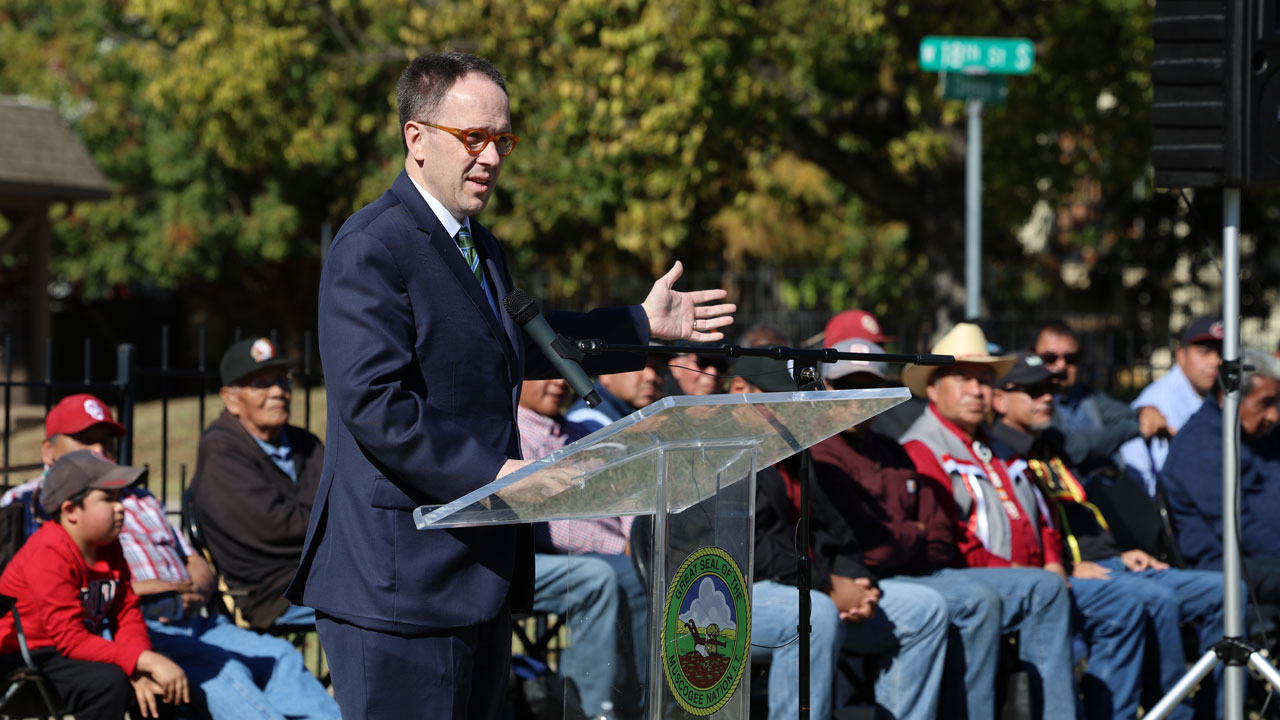
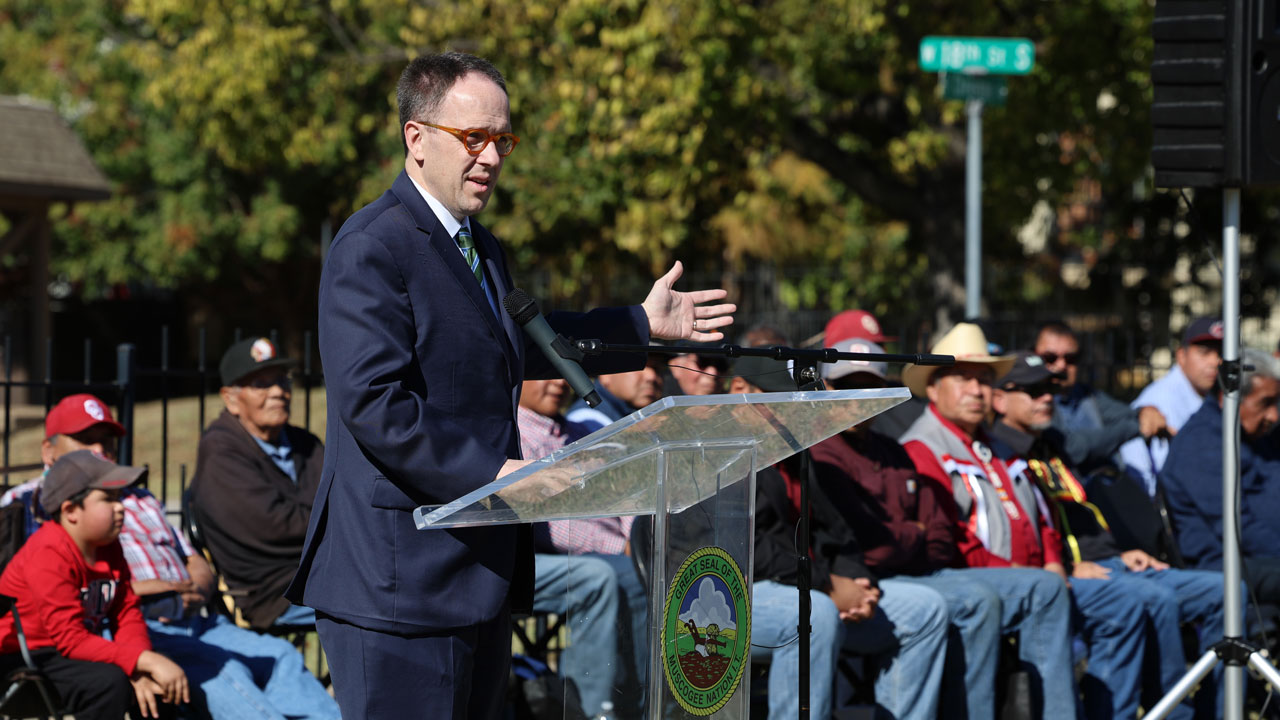
Among the most inspiring resolutions is TR 25-083, which authorized the MCN Principal Chief to sign a Memorandum of Understanding (MOU) with the City of Tulsa. This agreement will see the conveyance of two important recreational spaces—Council Oak Park and Stickball Park—into the stewardship of the MCN. Such a move not only recognizes the Nation’s role as trusted caretakers of historical sites, but it also promises to enhance community engagement and education.
Handing over these parks is more than just a change in property lines; it conveys a broader message that our shared history is a public treasure. The shift in ownership signals a joint responsibility, where both cultural storytelling and public access to historical spaces are celebrated. For small business owners and local organizers, these parks can become vibrant hubs for community events, outdoor markets, and educational tours, thereby infusing the local economy with fresh, dynamic energy.
Community and Economic Benefits of Enhanced Public Spaces
- Cultural Education: The parks offer a living history lesson, where residents can learn about tribal and local roots in an accessible setting.
- Recreational Opportunities: Amenities provided by these spaces encourage physical activity, community events, and family outings.
- Tourism Growth: Historically significant sites attract tourists, leading to increased revenue for local businesses such as restaurants, shops, and lodging providers.
- Economic Revitalization: The maintenance and improvement of these parks can stimulate construction, landscaping, and ongoing services, creating more jobs in the process.
By taking charge of these cherished communal spaces, the MCN sets itself apart as a leader in community stewardship. The arrangement is designed so that both the public and the Nation stand to benefit, fostering a sense of pride and a renewed focus on local tradition.
Empowering Local Housing Initiatives: Affordable Housing Grants and Funding
On another front, TR 25-084 and NCA 25-083 echo a growing awareness of the need to address housing challenges that many native citizens face. Through a targeted grant application with the FHLBANK of Topeka Affordable Housing Program, funds are being sought to create 60 rental units in Okemah for American Indians and Alaskan Natives with low to moderate income levels.
This initiative is key not only for providing shelter but also for empowering community members to thrive in a supportive environment. Affordable housing directly affects the local economy by ensuring that families are stable enough to participate actively in community programs, support local businesses, and contribute to the region’s overall growth.
Understanding the Benefits of Affordable Housing Projects
- Community Stability: Affordable housing offers a solid base for families, reducing the risk of homelessness and the expensive social costs associated with it.
- Economic Participation: With more stable housing, residents are better positioned to contribute to local commerce and community programs.
- Health and Well-Being: Safe and affordable living conditions are essential to both the physical and mental health of community members.
- Investment in the Future: A stable housing market lays the groundwork for future economic expansion and personal advancement in education and career opportunities.
This effort also underscores the importance of inter-agency cooperation; by leveraging grant funding and local administration acumen, tribal leaders are taking the wheel to steer through housing issues that have long been intimidating to solve.
Securing Grants and Direct Funding for Community Services
While infrastructure and cultural projects have taken center stage in recent resolutions, notable attention has also been placed on securing direct funding for community services. NCA 25-081 and NCA 25-084 emphasize strategic expenditure of external grant funds and MCN’s own program income. For example, a $394,000 grant from the United States Department of Agriculture Forest Service Temporary Bridge Program is poised to strengthen essential transportation networks by providing temporary bridges where needed.
Similarly, funding for the MCN Department of Housing through the U.S. Department of Housing’s resident opportunity and supportive services-coordinators (ROSS-SC) grant, which totals $251,702 annually over three years, promises to bolster service coordination. These funds will help improve resident services and expand the capacity to support vulnerable community members. The ongoing expenditure of these funds, when managed prudently, has the potential to smooth out the rough edges of community service delivery, ensuring that support systems remain robust and responsive.
Role of Direct Funding in Enhancing Community Services
- Quick Deployment: Grants allow for immediate responses to infrastructural and service needs, cutting through traditionally nerve-racking bureaucratic delays.
- Service Expansion: Increased funds enable the MCN to extend its reach, providing more comprehensive support to its citizens, which is crucial in times of unexpected need.
- Enhanced Coordination: Dedicated program income funds provide a stable foundation for planning future community developments.
- Leveraging Partnerships: An effective grant application fosters cooperation with federal and state agencies, ensuring that projects benefit from a broad spectrum of expertise.
This prudent handling of funds, combined with thoughtful legislative actions, demonstrates a multi-faceted approach to community improvement. It shows that when tribal governance integrates with state and federal support, communities can experience accelerated growth and enhanced quality of life.
The Broader Picture: A Community Committed to Progress
When we look at the gamut of resolutions—from infrastructure upgrades to housing grants and cultural preservation—it becomes evident that the leadership of the Muscogee (Creek) Nation is steadfastly committed to addressing the tangled issues that hinder progress while celebrating the cultural wealth of its people. The intertwined efforts to improve roads and bridges are as important for local commerce as they are for cultural tourism. These initiatives are not isolated; they contribute collectively to a resilient and vibrant economic ecosystem.
Every decision made at the tribal council echoes a larger message: that community development is not a one-dimensional process. It requires a holistic approach that works through the intimidating and often nerve-racking challenges of modern development. By solving confusing bits in infrastructure, protecting historical treasures, and expanding affordable housing, MCN is setting the stage for an era of sustained progress and responsible stewardship.
Key Takeaways from the MCN Initiatives
- Cultural Empowerment: Restoration projects funded for digitizing and rematriating historical collections ensure that cultural narratives continue to enrich future generations.
- Infrastructure Modernization: Road improvements and bridge replacements remove safety hazards and bolster economic productivity by easing commutes and transportation logistics.
- Community Revitalization: The transfer and management of public parks by the MCN open new avenues for community engagement and historical education.
- Affordable Housing and Direct Support Services: The strategic deployment of grant funding helps provide housing for low to moderate income residents, ensuring broader economic stability.
As someone who watches community developments and economic trends closely, I find these initiatives not only encouraging but also a model for other communities facing similar challenges. The persuasive blend of careful planning and cooperative governance illustrates that, even when faced with tricky parts and overwhelming obstacles, it is possible to piece together a more promising future step by step.
Charting the Future: Small Businesses, Local Economies, and Cultural Heritage
Small businesses often serve as the backbone of local economies, directly benefiting from any improvements in infrastructure and community services. The resolutions passed by the MCN serve as a reminder that investments in local infrastructure, affordable housing, and public spaces have multifaceted benefits. For small business owners, these improvements translate into better transportation networks for goods, safer neighborhoods for employees, and attractive communal spaces where business and community often intersect.
Moreover, the emphasis on modernizing infrastructure and preserving cultural heritage builds trust between the community and leadership. When citizens see that seemingly separate projects—from roadway enhancements to cultural projects—converge towards a common goal, the broader public benefits become self-evident.
How Enhanced Infrastructure Benefits Small Business Owners
- Reliable Access: Upgraded roads and bridges ensure that delivery routes remain uninterrupted, thereby reducing delays in supply chains.
- Community Engagement: Revitalized public spaces and cultural sites attract visitors, which indirectly generates foot traffic and potential customers for local shops and services.
- Enhanced Trust: Transparent governance and resolute community projects build investor confidence and stimulate local economic growth.
- Job Creation: Infrastructure projects often spur job opportunities, which provide an important economic boost for small business operating neighborhoods.
Small business owners are now better positioned to grow and flourish with the added support of improved local government initiatives. The interplay of careful public policy and community empowerment offers a robust platform that nurtures entrepreneurial ventures and economic diversity.
Interagency Partnerships: The Secret to Success
The MCN’s recent resolutions underscore the enormous value of partnerships between tribal entities, city governments, and federal agencies. Whether it’s the collaboration with the Oklahoma Department of Transportation for highway improvements or the joint effort with the University of Tulsa for cultural restoration projects, these partnerships are essential to making headway on complicated pieces of policy and infrastructure planning.
Working with external agencies allows the MCN to sort out tangled issues that one entity alone might find overwhelming. It is a clear reminder that when different bodies come together—each contributing its expertise—the result is a synergistic effect that magnifies the benefits for everyone involved.
The Role of Partnerships in Streamlining Project Execution
- Resource Sharing: Collaborative agreements allow the pooling of financial and human resources, enhancing project efficiency.
- Expert Guidance: External partners bring specialized knowledge that helps address the finer points of infrastructure and cultural projects.
- Enhanced Project Management: Coordinated efforts reduce the risk of overlapping responsibilities and streamline the decision-making process.
- Strengthened Accountability: Having multiple stakeholders invested in a project ensures that all parties remain committed to transparent and successful execution.
This type of interagency cooperation not only helps mitigate the confusing bits associated with complex projects, but it also serves as a roadmap for similar communities looking to make substantial progress in their local development strategies.
Concluding Thoughts: Toward a Resilient and Inclusive Future
In light of these recent initiatives, the Muscogee (Creek) Nation offers a compelling blueprint for community development that blends infrastructural upgrades, cultural preservation, and targeted social services. By taking measured yet bold steps—whether it’s replacing old bridges, securing grants for affordable housing, or safeguarding historical treasures—the MCN is ensuring a future where modernization need not come at the cost of cultural identity.
The actions by the tribal council remind us that progress often comes by addressing the tiny details and hidden complexities in our social and economic climate. As the MCN works with its partners to create safer roadways, well-maintained parks, and supportive housing, the broader community stands to gain. This multifaceted strategy makes your way through intimidating challenges and transforms them into opportunities for long-term growth and cultural celebration.
For community members, business owners, and policymakers alike, these developments represent a solid case study in how to integrate tradition with modernity. It is a call to figure a path that aligns economic development with the preservation of historical values—a roadmap paved by thoughtful planning, strong partnerships, and a shared commitment to making everyday life better for everyone involved.
Key Questions to Ponder as the MCN Moves Forward
- How will the improved infrastructure impact the daily lives of local commuters and business logistics?
- What role can public-private partnerships play in further enhancing community development?
- In what ways will the restoration of cultural artifacts redefine the community’s sense of identity?
- How can local governments and small businesses work together to turn regional challenges into strategic opportunities?
Addressing these questions head-on will be critical as the Muscogee (Creek) Nation continues to shape its future. The ongoing dialogue between tribal leaders, local officials, and community stakeholders is not just about reading legislation; it’s about inspiring actionable change that benefits everyone from young entrepreneurs to heritage custodians.
The Path Ahead: Reflections and Recommendations
As the MCN navigates each new twist and turn in its ambitious plans, there is a clear lesson to be learned: modernization and heritage preservation need not be mutually exclusive. In working through the confusing bits of legislative planning and infrastructure management, tribal leadership appears fully committed to steering through challenges while celebrating the core of their cultural identity.
For local businesses and small enterprises, this proactive approach by the MCN is incredibly encouraging. It highlights the key importance of forging partnerships, investing in essential community services, and securing the necessary funding to make real improvements on the ground. The combined effects of all these measures create a robust platform for economic growth, enhanced safety, and enriched cultural narratives.
Moreover, these strategic initiatives provide a replicable model for other communities. By carefully untangling the tricky parts of project management and fostering cooperative frameworks, the MCN demonstrates that even the most intimidating roadblocks can be gradually overcome with persistence and innovative thinking.
Recommendations for Future Actions
- Enhance Interagency Collaboration: Continue building partnerships across federal, state, and local levels to ensure that all projects benefit from a wide array of expertise and resources.
- Monitor and Evaluate Progress: Establish clear benchmarks and reporting systems for each initiative to maintain transparency and track the success of infrastructure and cultural projects.
- Foster Community Involvement: Engage local residents, small business owners, and cultural organizations in planning and oversight committees to cultivate a shared vision for progress.
- Invest in Technology and Training: Leverage modern solutions such as digital archives and smart infrastructure technology to address the subtle parts of legacy issues and streamline ongoing operations.
- Create Sustainable Funding Models: Explore additional grant opportunities and revenue streams that can provide steady financial support for future community projects.
Looking into the future, the intertwining of infrastructure improvements with cultural projects and social programs signals the potential for a thriving, inclusive community. When every stakeholder—from tribal authorities to local entrepreneurs—pulls together, the resultant synergy transforms trial into triumph.
Final Reflections
With these progressive resolutions and laws, the Muscogee (Creek) Nation is overall embracing a broad vision that intertwines economic vitality with heritage conservation. It’s an approach that not only handles the tricky parts of development but also ignites inspiration among its citizens and small business owners alike.
The story of these initiatives is one of resilience, collaboration, and forward-thinking leadership. It serves as a reminder that tangible improvements—be they in infrastructure, cultural preservation, or community services—are the product of meticulous planning, coordinated effort, and a commitment to shared success.
As we watch these projects evolve, it is important to celebrate each achievement while remaining aware of the ongoing challenges. By continuing to focus on the fine points of implementation and learning from every twist and turn, the MCN is poised to deliver benefits that extend far beyond the immediate scope of these projects. For those who reside in the community, for local business owners who thrive on connectivity and safety, and for cultural custodians eager to preserve their heritage, these efforts are more than just bureaucratic actions—they are the building blocks of a prosperous and proud future.
There is genuine optimism in the air when communities see leadership that gets into the nitty-gritty details and refuses to let complicated pieces derail progress. As the MCN propels itself into this new chapter of infrastructural upgrades and cultural empowerment, other communities—small, large, rural or urban—can take cues on how to craft strategies that blend modernity with time-honored tradition.
In conclusion, the transformative initiatives being implemented by the Muscogee (Creek) Nation are paving the way for a future where safety, cultural education, and community empowerment are seamlessly integrated. The journey ahead might be filled with challenging turns, but it is a journey marked by strategic planning, collaborative spirit, and an unwavering commitment to the community’s well-being.
It is now up to all of us—community members, business owners, and policymakers—to support these efforts, remain engaged in local developments, and help secure an inclusive, sustainable, and culturally enriched future for generations to come.
Originally Post From https://www.mvskokemedia.com/mou-agreement-between-mcn-and-city-of-tulsa-relating-to-council-oak-and-stickball-parks-passed-lnc/
Read more about this topic at
National Preservation Partners Network
Preservation Partnership Programs