Lunawood Expands Horizons With New Production Facility In Georgia

Revolutionizing Sustainable Construction in North America
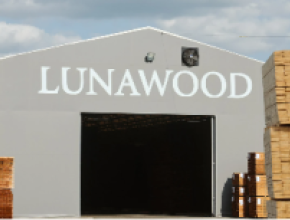
The recent opening of Lunawood LLC’s new production facility in Cleveland, Georgia, marks a turning point in the sustainable construction industry in North America. With initiatives focused on creating environmentally responsible materials from locally harvested timber, this expansion effort signals that American hardwoods are stepping into the spotlight as reliable, renewable resources for modern builders and architects. In this opinion editorial, we take a closer look at this landmark event, exploring its implications for technology, small business growth, and innovative design in the world of green construction.
Lunawood, recognized for its chemical-free, thermally modified wood products, has built its reputation on crafting durable, stable, and environmentally conscious materials. Their focus on tempering White Ash and Yellow Poplar is more than just a manufacturing choice; it represents an embrace of local industry and sustainable practices that are the future of construction. With this new facility, the company is not merely expanding geographically—it is also pushing the boundaries of modern green building techniques.
Establishing a Local Production Hub in Georgia
The opening ceremony in Cleveland, Georgia, was not just a ribbon-cutting event. It represented a strategic move by Lunawood to gain a foothold in the North American market. Local officials and stakeholders gathered to witness a moment that symbolizes both economic development and environmental responsibility. The decision to establish a production facility in Cleveland underscores the importance of local manufacturing in today’s business landscape, where proximity and community involvement make a significant difference.
This new hub is set to boost not only the local economy but also the sustainable construction materials market. For small business owners and local service providers, this means opportunities for partnerships, economic growth, and the chance to be part of a transformative movement in the green building sector.
Local Economic Growth and Community Involvement
One of the most positive outcomes of Lunawood’s expansion is its potential to stimulate local economic growth in Cleveland, Georgia. By setting up a production facility that leverages locally sourced hardwoods, Lunawood is generating new job opportunities and reinforcing community ties.
Local economic involvement brings about several advantages:
- Job Creation: With the opening of the facility, opportunities are emerging for trained workers in manufacturing, logistics, and quality control.
- Skill Development: The facility enables local talent to learn about advanced wood modification techniques, which can later be applied in other sectors.
- Community Investment: Small businesses can forge partnerships with the production facility, benefiting from shared growth and market expansion.
The broader impact on the region is also worth noting. As the facility taps into American forests for its White Ash and Yellow Poplar, it adds value to local resources, reinforcing Virginia’s and neighboring states’ importance in the timber industry. In turn, this can help local governments secure additional investments and foster an ecosystem where sustainable practices and economic development go hand in hand.
Embracing American Hardwoods for Greener Construction
Lunawood’s commitment to using American hardwoods is a critical step in addressing the tricky parts of sustainable building. With increasing global demand for materials that not only look aesthetically pleasing but also reduce environmental impact, American hardwoods are emerging as a must-have material.
The company’s North America Collection, themed “Locally Crafted Wood with Nordic Design,” highlights how hardwoods like White Ash and Yellow Poplar can meet the shifting needs of architects and builders. These materials are increasingly preferred by professionals who desire an eco-friendly alternative to tropical hardwoods, chemically treated timber, or synthetic materials.
Advantages of Thermally Modified Hardwood
Thermally modified wood offers a strong set of benefits that make it particularly appealing in green construction:
- Durability: Thermal modification improves the wood’s stability without introducing chemicals, resulting in a product that is both long-lasting and environmentally safe.
- Sustainability: Utilizing locally harvested American timber reduces transportation emissions and supports forest management practices that are critical for sustainability.
- Aesthetic Appeal: The natural characteristics of American hardwoods provide a unique charm and warmth, making them a preferred choice for both indoor and outdoor applications.
- Cultural Integration: Incorporating native materials into modern design helps promote a sense of place and respect for local resources.
This focus on thermally modified hardwood left many industry experts both impressed and intrigued. Critics argue that the adoption of such materials might present tricky parts, such as a need to adjust traditional construction methods while the industry itself grapples with tangled issues around the cost and availability of sustainable materials. However, Lunawood’s initiative acts as a call to action for the industry to dive in and embrace new practices despite these intimidating obstacles.
Modern Trends in Sustainable Architecture and Nordic Design
Architectural trends have shifted over the last decade, with a clear eye toward energy efficiency and environmental responsibility. Lunawood’s North America Collection, with its Nordic design influence, is a reflection of a broader trend: integrating Scandinavian design principles with locally sourced, sustainable materials.
There are several reasons why this blend of styles and materials is gaining traction:
- Simplicity and Function: Nordic design is celebrated for its minimalism, which aligns well with green construction’s focus on efficiency and functionality. Simplicity in design often leads to improved energy usage and less waste during production.
- Environmental Integration: The emphasis on natural materials in modern architecture helps create structures that are in harmony with their surroundings. Incorporating American hardwood into these designs supports local ecosystems and fosters a sustainable model.
- Timeless Appeal: The blend of form and function ensures that the finished structures not only meet current needs but also have long-lasting appeal, a key factor in modern urban and residential planning.
Design professionals, when faced with the confusing bits of merging different cultural design elements, must not shy away from the opportunity to experiment and innovate. By mixing the fine points of Nordic aesthetics with locally sourced wood, architects have the potential to create spaces that are both inspiring and sustainable.
Integrating Sustainable Materials in Modern Architectural Practice
Successful integration of sustainable materials demands a collaborative approach among architects, engineers, and suppliers. Architects need to figure a path through some of the subtle differences between traditional materials and modern, environmentally friendly alternatives. This includes understanding the properties of thermally modified wood, knowing its advantages in terms of durability and aesthetic quality, and applying these benefits to everyday construction challenges.
To manage this transformation, industry professionals might rely on the following steps:
| Step | Description |
|---|---|
| Research | Gather detailed data on locally sourced hardwoods and their performance in various environmental conditions. |
| Collaboration | Work closely with suppliers like Lunawood to fully understand the materials available. |
| Adaptation | Adjust design strategies to accommodate the unique characteristics of thermally modified wood. |
| Implementation | Ensure that construction teams are trained to work with new materials and methods. |
The benefits of using these sustainable materials are clear. They not only contribute to environmental preservation but also encourage a new wave of community-based manufacturing that could soon transform local economies across the country.
Addressing the Tricky Parts of Market Entry and Expansion
Every significant business expansion comes with its own set of challenges and tangled issues. As Lunawood ventures into the U.S. market with their state-of-the-art facility, the industry is watching closely to see how well they can adjust to the nerve-racking twists and turns that come with entering a new territory.
The potential challenges include:
- Market Competition:Established players in the construction and material supply market may pose stiff competition. However, by focusing on the unique benefits of thermally modified wood, Lunawood is positioning itself as a niche provider.
- Supply Chain Complications: Sourcing, processing, and timely delivery of local hardwoods require careful coordination. The company must find its way through these complications efficiently.
- Adapting to Regulations: The regulatory environment in the U.S. can sometimes be intimidating, with layers of compliance required for material production and environmental conservation. This necessitates a strategy that is both proactive and flexible.
Some critics argue that setting up in a competitive market laden with tension might be a nerve-racking move. Nevertheless, the drive toward greener construction is so super important that organizations like Lunawood are making it clear: the future belongs to those who are willing to sort out the twists and turns of enterprising growth.
Strategies for Overcoming Market Challenges
For any company looking to establish themselves in a new market, it is essential to work through the tricky parts with careful planning and smart strategy. Here are some approaches that can help companies make their way through these challenges:
- Form Strategic Partnerships: Collaborating with local stakeholders, regulators, and other industry players can provide critical support as the business navigates the confusing bits of a new market.
- Invest in Local Talent: By hiring locally and training employees in the nuances of new production methods, a company can reduce operational risks and build a loyal, skilled workforce.
- Emphasize Innovation: Constantly improving and adapting products to meet local market demands is key. Embracing technology and innovative manufacturing processes can create a competitive advantage.
These measures, when implemented effectively, can transform potential stumbling blocks into stepping stones for broader market penetration and success. Lunawood’s current trajectory demonstrates that, while there are certainly intimidating challenges, the commitment to sustainability and local innovation can pave the way for long-term industry leadership.
The Influence of Thermally Modified Wood on U.S. Building Codes and Practices
In recent years, U.S. building codes and construction practices have been undergoing significant revisions in response to the growing awareness of sustainable development. The introduction of thermally modified wood into the market has the potential to affect these codes in several key ways. For example, conventional timber often faces limitations regarding durability and chemical treatments. In contrast, chopping away at the nerve-racking issues surrounding chemical additives, thermally modified wood offers enhanced stability and longevity without compromising on environmental safety.
This innovative material is increasingly being recognized by professionals responsible for setting and enforcing building standards. Integrating natural materials that are locally sourced positions them perfectly to meet the upcoming revisions in building codes that favor sustainable practices.
Key Benefits for Builders and Developers
Builders and developers can gain a great deal from shifting to thermally modified hardwood. Key benefits include:
- Enhanced Structural Integrity: The thermal modification process maximizes the durability of wood, making it a reliable alternative for structural and decorative applications.
- Environmentally Friendly: Reducing reliance on chemicals not only benefits the environment but also lowers the potential for indoor air quality issues, making thermally modified wood a smart, health-conscious choice.
- Cost-Effective in the Long Run: Despite potentially higher upfront costs, the longevity and reduced need for maintenance can offer substantial savings over time.
- Design Versatility: With its natural aesthetic and ability to be used in various applications such as decks, facades, and interiors, thermally modified wood opens up a wide range of design possibilities.
By incorporating these materials, architects and contractors can manage the subtle details of designing structures that are both appealing and resilient. Even though there will be complicated pieces to figure out during implementation, the benefits in terms of health, sustainability, and aesthetic appeal are impossible to ignore.
How This Expansion Reflects Broader Shifts in Industrial Trends
The move by Lunawood is emblematic of a broader reorientation in industrial manufacturing that prioritizes sustainable practices, local production, and environmental responsibility. In today’s global market, industries across the board are exploring ways to get into greener production methods while managing the off-putting challenges of adapting supply chains and production techniques.
Many sectors—from automotive and electric vehicles to advanced manufacturing—are undergoing similar transformations. This shift is driven by several factors:
- Consumer Demand: More consumers are now informed and conscious about the environmental impact of their purchases. They seek products that not only serve their function but also support a green agenda.
- Government Regulations: Increasingly stringent environmental policies are nudging industries to explore sustainable alternatives that reduce carbon footprints across production processes.
- Technological Advances: Breakthroughs in manufacturing techniques and materials science are making sustainable options more affordable and accessible than ever before.
Each of these factors contributes to an industrial landscape that is full of problems on the surface but filled with opportunities underneath. The initiative by Lunawood is a prime example of how a company can take a chance on innovation and local resources to not only survive but thrive in a competitive market.
Comparative Analysis: Traditional vs. Sustainable Manufacturing Methods
It is valuable to compare traditional timber treatments with modern thermal modification processes to understand why sustainable manufacturing is quickly gaining ground. Below is a table summarizing some of these comparisons:
| Aspect | Traditional Methods | Thermal Modification |
|---|---|---|
| Durability | Often requires chemical treatments, which might wear off or degrade over time. | Enhanced longevity and resilience without chemicals. |
| Environmental Impact | Use of chemicals can lead to off-putting issues in long-term environmental health. | Chemical-free process reduces environmental hazards. |
| Aesthetic Flexibility | Can lead to a less natural appearance due to treatments. | Preserves the natural elegance and texture of wood. |
| Maintenance Requirements | Higher maintenance due to the eventual need to reapply finishes. | Maintenance is lower given the durability after thermal modification. |
Looking at these comparisons, it becomes clear that while the traditional methods have served well in the past, the future of wood processing lies in innovatively overcoming those complicated pieces that have long plagued the industry. Sustainable manufacturing through thermal modification stands out as a promising pathway, addressing both environmental challenges and market demands efficiently.
Opportunities for Small Businesses and Industrial Collaborations
The expansion of Lunawood into North America opens up significant opportunities for small businesses and industrial enterprises alike. In many cases, local manufacturers and subcontractors are on the lookout for new partnerships that allow them to support innovative ventures. Here, green construction becomes a gateway to further integration of environmentally conscious practices into everyday business operations.
Some potential benefits for small and mid-sized businesses include:
- Increased Partnership Opportunities: Local suppliers and contractors can collaborate with large manufacturers like Lunawood, creating a mutually beneficial economic ecosystem.
- Enhanced Market Visibility: Being part of a cutting-edge initiative in sustainable production can boost the profile of small businesses, attracting additional investment and customer attention.
- Shared Innovation: Collaborative projects often lead to knowledge exchange and the development of new technologies that can be adapted across industries.
Small businesses that get into these partnerships will not only benefit from a boost in local investment but will also be part of a broader strategy to figure a path through the challenges of modern manufacturing. It is through these collaborations that innovation is fostered, and a ripple effect of sustainable practices spreads across diverse segments of the economy.
Developing Strategic Partnerships in a Changing Market
To manage your way through the evolving industrial landscape, it is essential for small businesses to look for areas of intersection between traditional expertise and modern innovation. Examples include:
- Joint ventures between local timber processors and sustainable material experts
- Collaborations with regional design firms to integrate eco-friendly products into contemporary architecture
- Investment in technology that enhances quality control and process efficiency during wood modification
These partnerships are key for ensuring that every stakeholder in the construction and manufacturing sectors can share in the success brought about by sustainable innovations. Even though the initial phases might seem overwhelming due to the nerve-racking twists and turns of industry change, the long-term benefits far outweigh the challenges.
Future Implications for the U.S. Construction and Manufacturing Landscape
Looking forward, the Lunawood facility and similar ventures are set to have a profound impact on the U.S. construction and manufacturing landscape. As companies increasingly shift away from synthetic and chemically treated materials in favor of local, natural alternatives, a new era of construction is emerging—one that is marked by both environmental stewardship and economic expansion.
This transformation is central to addressing some of the subtle parts of sustainable development. Builders are now faced with the exciting yet challenging task of incorporating green materials into traditional construction frameworks, sorting out the slightly different requirements and benefits that come with these innovations.
Key Trends Shaping the Future of Construction
Some of the most super important trends to watch include:
- Sustainable Design Integration: Modern architecture is steadily moving toward designs that emphasize sustainability, energy efficiency, and minimal environmental impact.
- Local Material Sourcing: As companies, governments, and consumers alike push for locally sourced products, domestic hardwoods are proving to be both a reliable and attractive option.
- Technology-Driven Manufacturing: The adoption of advanced manufacturing techniques is making it easier to produce environmentally friendly materials at scale, with reliable quality standards.
- Regulatory Support: Increased governmental support for sustainable practices is creating a more favorable environment for innovators to take the wheel and drive change.
With each of these trends, the benefits of using thermally modified wood become even more apparent, reinforcing the notion that sustainable materials are not a temporary trend but a long-term shift in industry norms. There is a strong case to be made for the pursuit of greener alternatives, not only to meet regulatory requirements but also to build structures that echo the values of an eco-conscious generation.
The Road Ahead: Embracing Responsibility and Innovation
As we digest the developments surrounding Lunawood’s new production facility, the lessons for industry insiders are clear: embracing sustainable practices is not merely an option—it is a necessity. In an era where every choice has environmental and economic consequences, companies need to figure a path through the nerve-racking challenges by investing in responsibly modified materials and forward-looking business strategies.
This expansion is not only about providing an alternative building material. It is about setting a precedent for how local resources and advanced manufacturing techniques can come together to create solutions that benefit everyone—industry leaders, small businesses, regulators, and end-users alike. The journey ahead may be laden with issues that are full of problems on the surface, but the commitment to using green materials and supporting community-led production offers a beacon of hope for the future of construction.
Building a Sustainable Legacy
In conclusion, Lunawood’s strategic move into North America is a testament to how local innovation and resourcefulness can redefine market trends. By harnessing American hardwoods like White Ash and Yellow Poplar, thermally modified into products that set new standards in durability and aesthetic appeal, the company positions itself at the forefront of a green construction revolution.
This facility is more than a production site—it is a symbol of how industries can challenge themselves to overcome tricky parts and tangled issues, making the shift to sustainable practices less overwhelming and more achievable. With commitment and innovative thinking, the ambitious goal of transforming how materials are sourced and used in construction is well within reach.
As industry experts, small business owners, and community leaders consider the implications of this opening, the message is clear: By working together and leveraging the fine points of locally sourced sustainable materials, we can create a built environment that respects nature, supports local economies, and sets a new standard for responsible manufacturing. The journey may have many complicated pieces along the way, but each step forward brings us closer to a greener, more resilient future in U.S. construction.
Final Thoughts on Navigating a Changing Industrial Landscape
The Lunawood facility stands as a powerful reminder that in the face of intimidating market challenges and nerve-racking industry changes, innovative companies have the power to pave the way for progress. By adopting sustainable, locally sourced hardwoods and combining them with the clean lines of Nordic design, they are not only transforming production practices but also carving a path to economic revitalization for local communities.
For readers—whether you’re an architect seeking sustainable materials, a small business owner aiming to forge new partnerships, or an industry insider eager to stay ahead of market trends—the lessons here extend beyond Lunawood’s initiative. They are a call to actively participate in a market where local sourcing, environmental responsibility, and technological innovation are becoming indispensable tools for success.
The expanded production facility in Georgia serves as a microcosm of the broader shifts underway in U.S. manufacturing and construction. As more companies take steps to address the subtle details of sustainable building, we will see an industry that is not only resilient in the face of challenges but also rich with opportunities to create buildings and products that truly stand the test of time.
In wrapping up this exploration, it is essential to recognize that sustainable construction is a journey—a journey that requires patience, collaboration, and a willingness to experiment with new methods. The Cleveland, Georgia facility is an encouraging milestone on that journey, one that reassures us that even amid the confusing bits of transition, the future of green building is bright and full of promise.
Ultimately, the innovation demonstrated by Lunawood is a reminder that, with a blend of local resourcefulness, technological ingenuity, and a forward-thinking mindset, even the trickiest parts of market entry and product development can be transformed into lasting opportunities. As the construction industry continues to evolve, maintaining a focus on eco-friendly practices and community involvement will be key to not only surviving but thriving in the modern economic landscape.
Let this be a call to action for all of us—whether in small business, manufacturing, or architectural design—to take a closer look at how sustainable practices are reshaping our industries. Embracing these changes means not only addressing today’s challenges but also building a legacy of responsibility, innovation, and environmental stewardship for future generations.
Originally Post From https://www.woodworkingnetwork.com/news/woodworking-industry-news/lunawood-opens-production-facility-georgia
Read more about this topic at
Does expanding wood use in construction and textile …
The New PDX – the journey for Sustainable Northwest Wood